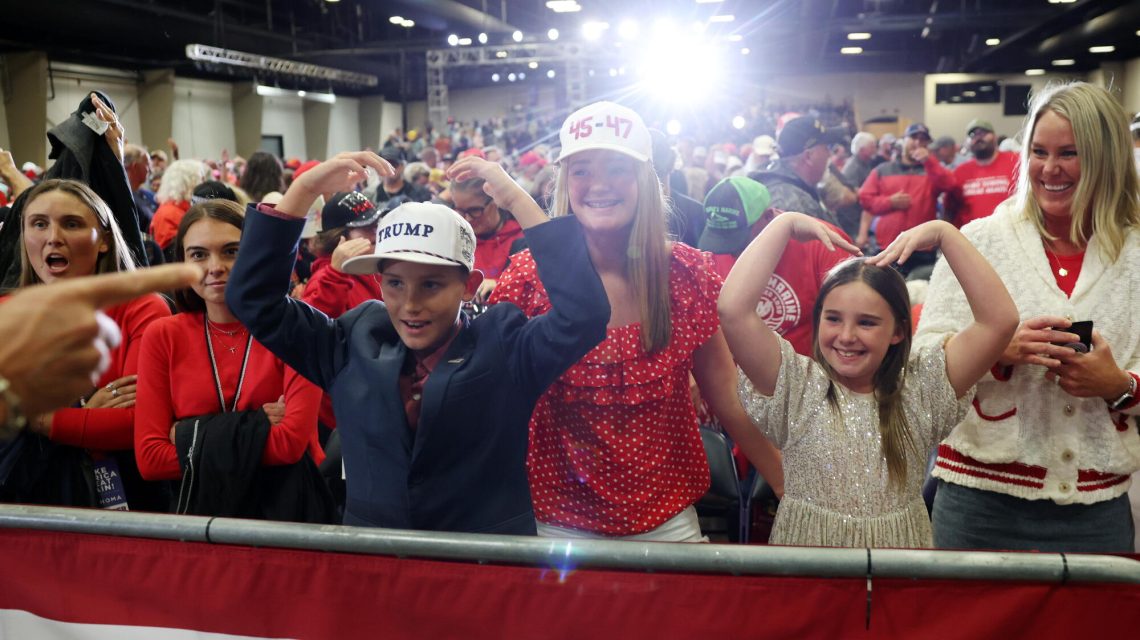
In Durant, Oklahoma, David Coleman, a 54-year-old local, admits to knowing little about the Republican candidates in the upcoming November election. His support for President Trump, however, remains unwavering. At a Trump rally, Coleman expressed his intention to rely on Trump’s endorsements, stating, “I am going to ask ChatGPT what their name is and vote for them.” Coleman represents a segment of voters devoted to Trump, yet less engaged with other candidates on the Republican ticket.
President Trump concentrates his efforts on these supporters as the November 3 election approaches. Contrary to targeting battleground districts that dictate congressional control, Trump opts for rallies in Republican strongholds like Texas, Oklahoma, and Alabama. His strategy aims to motivate a base potentially apathetic about the election due to Trump’s name being absent from the ballot.
During the rally in Oklahoma, Trump encouraged attendees to envision him on the ballot, emphasizing the importance of voting for the future of his “America First” agenda. He endorsed GOP candidates, such as Senate hopefuls Ken Paxton of Texas and Kevin Hern of Oklahoma, urging the audience to not take victory for granted.
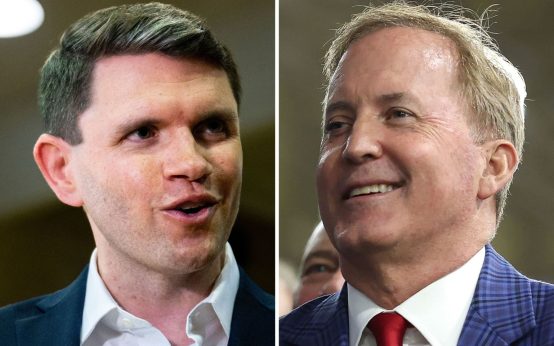
This approach departs from Trump’s earlier commitment to campaign in the most competitive districts leading up to the midterms. Despite initial promises, his declining approval rating makes him a political liability in many contested races. Texas candidate Paxton faces a tough race against Democrat James Talarico. Recent reports suggest that Trump’s GOP convention in Dallas hindered Paxton’s campaign, prompting Trump to issue a call to vote for Paxton regardless of personal opinions.
As Democrats target disenchanted voters, including Latino communities in south Texas, Trump’s policies on immigration and the economy have led some to feel betrayed. Trump dismisses polling indicating a loss of Latino support, reiterating that his political record leads to wins.
Despite public confidence, Trump has acknowledged concerns about several races, including those in Michigan and Texas. Economic issues, specifically rising gas prices, trouble even staunch supporters like Ronnie Smith. The 77-year-old voter believes Trump can address the issue, though current diesel prices escalate concerns.
To address fuel costs, Trump announced the release of 100 million barrels of diesel from strategic reserves, a decision he plans to promote at midterm rallies. The move aligns with broader strategies to energize his base by focusing on strong Republican areas close to state borders, helping candidates in nearby regions.
Senate Majority Leader John Thune acknowledged the challenge of voter turnout during midterm elections, stating the importance of engaging Trump’s voters. According to him, it’s crucial for these voters to participate.
At the Oklahoma rally, Sylvia Sigler, a 66-year-old school cafeteria worker, typifies voters uncertain about participating in federal elections. While she regularly votes locally, she attended the rally to learn more. She noted, “I don’t even know who is running because I don’t keep up with it.” Despite her uncertainty, Sigler’s curiosity about Trump’s message might influence her decision to vote.
 Contentious Tax Incentives Spark Debate Over Iowa Steel Plant
  Strategic Moves for Democrats Leading to Election Day
  Texan Voters and Concerns Over Ken Paxton’s Trump Alliance
  Trump’s Approval Ratings Lag in Key States Before Midterms
  Texas Senate Nominee Sparks Debate Over Religious Justifications in Politics
  Record Number of Native American Candidates in Elections