
Experience in Public Service
Having served both as a Marine and a correctional leader, I learned that loving your country involves defending it and fixing issues when necessary. As America celebrates its 250th year, discussions about freedom, safety, accountability, and responsible governance take center stage. However, the topic of corrections is often overlooked by candidates, despite its importance.
The State of the Prison System
More than 1.25 million people were incarcerated in state and federal prisons at the end of 2023. This issue requires state leadership, not just federal intervention. Governors oversee correctional systems that not only consume significant public funds but also determine whether individuals return to society better prepared or more damaged.
Challenges in Correctional Systems
Current policies tighten in response to instances like suicides, contraband, violence, lawsuits, and escapes. While each decision is justifiable individually, over time, they result in exhausted officers, warehoused inmates, and a leadership culture focused on avoiding mistakes over achieving results. Corrections often prompts government leaders to ignore problems, which does not enhance public safety.
Culture and Accountability
Corrections professionals operate within a challenging environment. Many act with dignity, while others become hardened by the culture. The real question is about the outcomes governors demand from the system. If funding focuses solely on custody, that’s what the system will prioritize.
Building an Outcomes-Based Culture
Learning from Experience
Governors should embrace an outcomes-based culture, rewarding efforts that reduce violence, improve staff retention, expand treatment and education, and strengthen family ties. Measuring culture is vital in corrections, influencing whether facilities remain calm or chaotic.
I once led a facility with diverse populations. By listening to staff and inmates and treating safety and humanity as partners, we improved outcomes and reduced the need for new training academies. Humanity proved to be compatible with security.
Practical Steps Forward
Governors can implement practical measures by initiating outcomes-based pilots in public facilities. These initiatives should be assessed by independent research and real-time data. If models reduce violence and prepare individuals effectively for reintegration, they should be expanded.
Approximately 600,000 people are released from prisons annually. The key question is whether they return to society responsibly or as repeat offenders. This is fundamentally a public safety issue that requires attention from those in positions of authority.
 U.S. Strategic Goals Remain Unmet Amid Prolonged Conflict
  The Impact of Arts and Closure on Democracy
 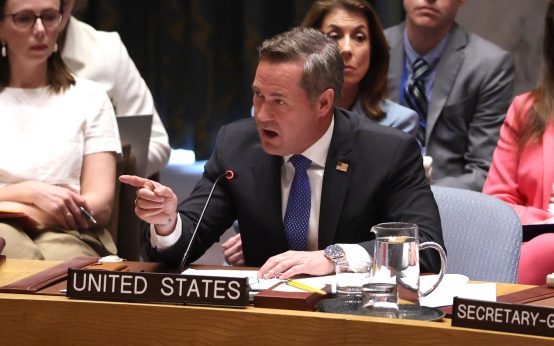 U.S. Ambassador Comments on Iran War Duration Amid Political Concerns
  US-China Relations Under Scrutiny: Expert Warns of Escalating Tensions
  No Timeline for End of Iran Conflict
 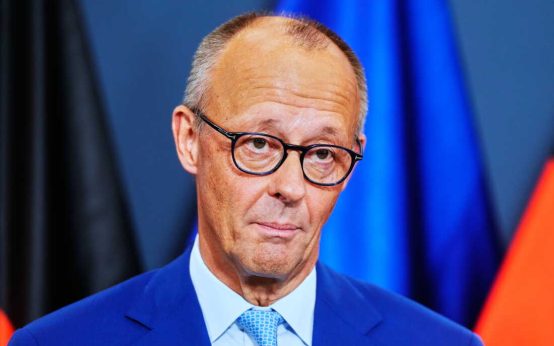 German Chancellor Merz Vows to Pursue Reforms Despite Election Setbacks