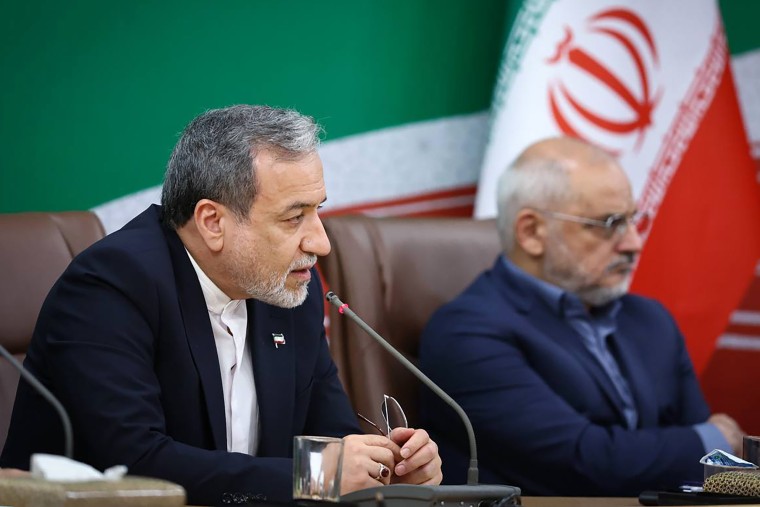
Iran’s foreign minister dismissed the threat of new U.S. sanctions on Sunday, calling it a sign of desperation. He stated the expected measures would not defeat Tehran. U.S. Treasury Secretary Scott Bessent, who plans to hold a press conference at 2 p.m. ET on Monday, has warned of imposing ‘the toughest sanctions in history’ on Iran.
Iran’s economy already faces significant pressure under international sanctions. Its infrastructure has suffered repeated hits, and airstrikes since February 28 have killed thousands. Despite nearly six months of conflict, Tehran remains resolute. It has effectively halted shipping in the Strait of Hormuz, refusing unauthorized oil tanker transits. This blockade has escalated global oil prices.
Describing repetitive scenarios, Iranian Foreign Minister Abbas Araghchi stated in a Telegram video, ‘The fact that they (U.S. leaders) have moved on from military operations to bring up the same old plans shows that they are desperate.’
Araghchi emphasized that Washington must speak to Iran respectfully for a solution based on justice and honor. He affirmed, ‘We have never been afraid. All of their actions, whether blockades or other military moves they have made, have failed, and this new issue of theirs will fail as well.’
U.S. President Donald Trump has warned of economic consequences for any country that provides ‘any type of lifeline to Iran.’ Treasury Secretary Bessent urged countries like China, which buys over 80% of Iran’s oil shipments as per 2025 data from analytics firm Kpler, to cooperate with Washington. In response, China has called for diplomacy.
Pakistan’s Army Chief to Visit Tehran
Iran announced that Pakistan’s army chief, Asim Munir, would visit Tehran on Monday to help restore peace and security in the region. Few details were provided. Pakistan has been mediating the conflict, and a government source indicated Munir would address recent developments, including the U.S. threat of new sanctions.
Trump commented on Friday that Washington was observing the conflict. ‘They would love to make a deal, but they’re not ready to make the right deal, in my opinion,’ Trump said of Iran.
Despite U.S. attacks that have damaged Iran’s economy and reduced its military capabilities, Tehran retains enough missile and drone power to disrupt oil tanker traffic and challenge regional opponents.

Iranian Parliament speaker Mohammad Bagher Ghalibaf stated on Saturday that Tehran had received many messages from neighboring countries regarding new security arrangements and economic cooperation. Ghalibaf accused the U.S. of risking the security of its allies for Israel, advocating for an independent regional order to bring peace and security.
Trump has yet to achieve goals such as dismantling Iran’s nuclear program. The state of Iran’s nuclear program remains uncertain, with U.N. inspectors being barred from access since 2025. President Masoud Pezeshkian of Iran also called for a diplomatic resolution.
According to the ISNA news agency, Pezeshkian said on Friday, ‘It would be better to end the war today, when we are powerful and have dignity, and the whole world acknowledges our victory and emphasizes that America, contrary to all regulations, attacked our schools, hospitals, and infrastructure and is hated in the world.’
 US Monitors Russian Pneumonic Plague Case
 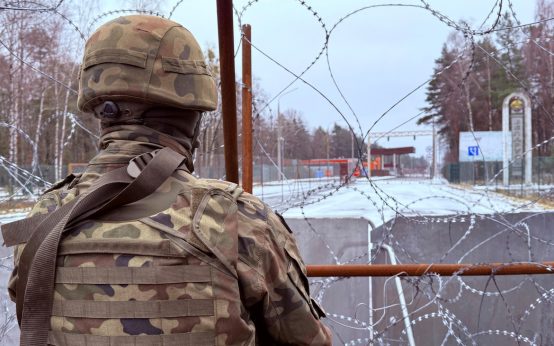 Poland Prepares for Potential Conflict Amid NATO Concerns
  Drone Warfare Redefines Ukraine’s Frontline Conflict
 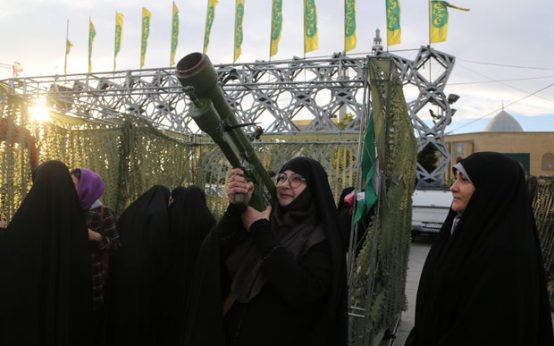 Key Developments in the Iran Conflict Affecting Global Oil Markets
 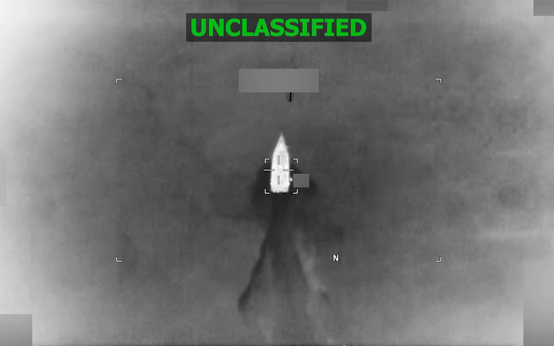 U.S. Military Strikes Vessel in Caribbean, Allegedly Involved in Drug Trafficking
 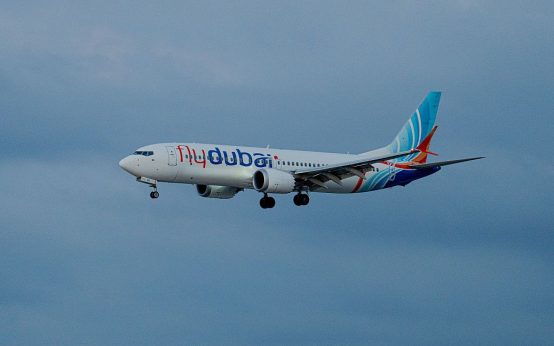 Australia Probes FlyDubai Co-Pilot’s Connections