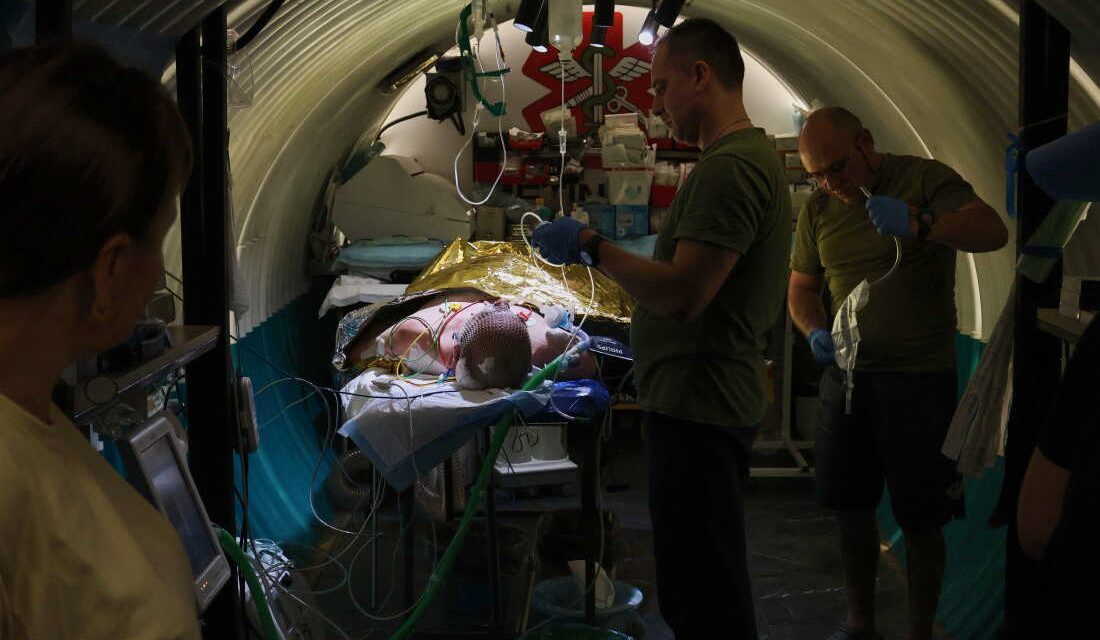
Ukrainian military medics are treating wounded soldiers in a field hospital near the front line in the southeastern region of Zaporizhzhia. The conflict’s front line stretches over 700 miles from north to south, bordered by a band known as the ‘kill zone.’ This area, roughly 10 to 20 miles wide, is dominated by advanced drone technology that underscores the evolving nature of warfare.
According to Ukraine’s Sr. Lt. Taras Myshak of the 59th Separate Assault Brigade, both Russian and Ukrainian forces are utilizing drones extensively for reconnaissance and surveillance. The operational environment means that any movement risks detection and attack from aerial drones. This constant threat complicates troop rotations in the zone, forcing soldiers to move slowly and cautiously, even taking hours to cover a short distance due to the frequent drone activity.
At night, the danger intensifies. Drones equipped with thermal cameras detect body heat, making concealment even more challenging. Troops sometimes resort to bicycles and anti-drone netting to avoid detection, as tanks and other vehicles are easily spotted and targeted.
The current front line remains mostly static since the initial full-scale invasion by Russia in February 2022. After a rapid advance, the Russian forces were pushed back during Ukraine’s counteroffensive later that fall. Now, the line is defined by drone warfare and limited territorial changes.
Rob Lee, a former U.S. Marine and analyst at the Foreign Policy Research Institute, notes Ukraine’s reliance on drones due to fewer troops on the front line. These small groups act as spotters, helping to direct drone strikes against Russian forces. The high density of drones on both sides hinders the formation of large ground forces without drawing fire.
With Ukraine initially lacking a drone industry, the conflict has driven rapid advancements in this technology. President Volodymyr Zelenskyy aims for the production of millions of drones. Russia is also scaling up its drone production, contributing to this technology-driven warfare.
Dima Putiata, a Ukrainian soldier, initially skeptical of drone utility, witnessed their integration into military operations. As a sergeant, he eventually commanded multiple drone crews. The future of drone use remains uncertain, but the present focus is on adaptation and immediate deployment.
Ukraine established its drones as an independent military branch two years ago, pioneering use of ground drones for tasks too perilous for troops, such as delivering supplies and evacuating the wounded. However, integrating these innovations involves training both medics and drone operators to handle their respective duties effectively, according to Lyuba Shipovich of Dignitas.
The media spotlight often falls on aerial strikes within each country’s territory, but the majority of casualties occur in the kill zone. Drones account for about 80% of these, a shift likely to influence future conflicts, as demonstrated in Ukraine. This cost-effective means of warfare signifies a grim reality, as former soldier Putiata warns.
NPR’s Hanna Palamarenko contributed to this story.
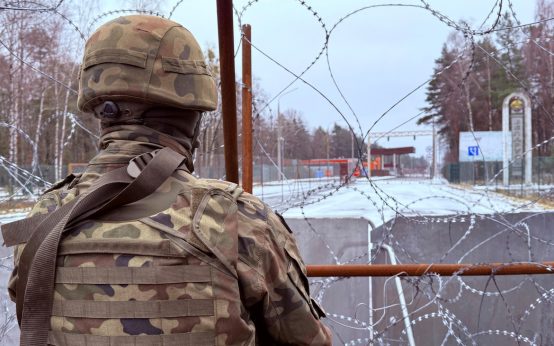 Poland Prepares for Potential Conflict Amid NATO Concerns
 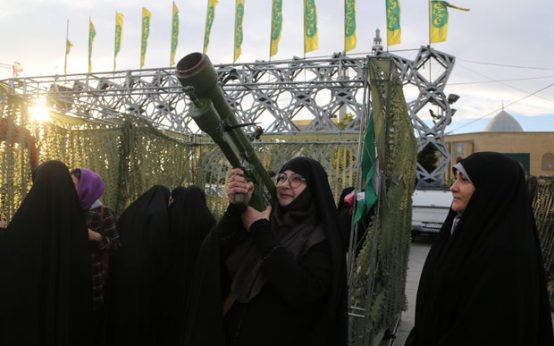 Key Developments in the Iran Conflict Affecting Global Oil Markets
 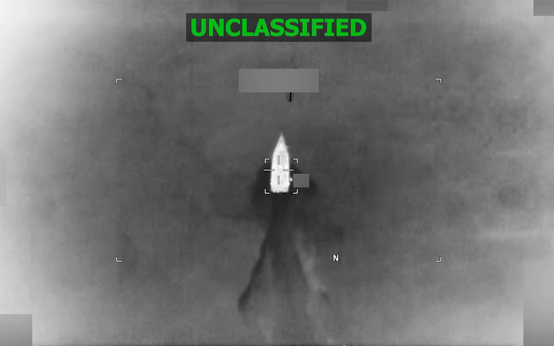 U.S. Military Strikes Vessel in Caribbean, Allegedly Involved in Drug Trafficking
  Australia Probes FlyDubai Co-Pilot’s Connections
  Assessing the Impact of American Military Actions in the Strait of Hormuz
  Violence Overshadows Student Protests in France