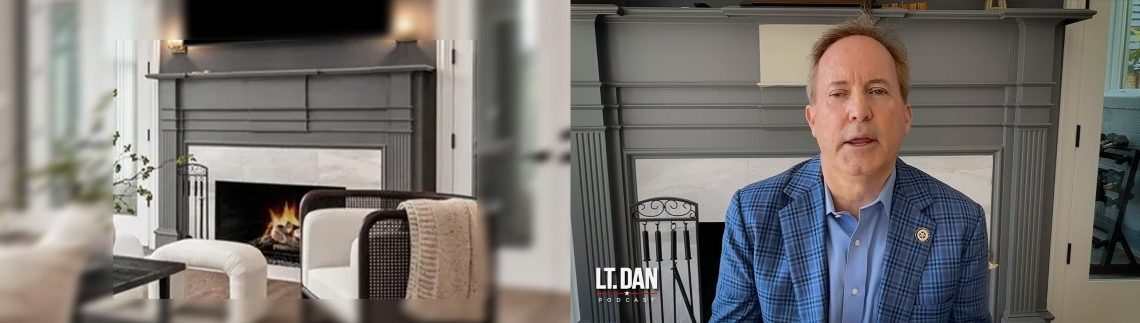
Two weeks before the primary elections, Texas Attorney General Ken Paxton introduced a tip line for the public to report suspected voter fraud. He emphasized the importance of free and fair elections, stating, “With the authority granted to my office by the Legislature, we will stop at nothing to uncover and stop any illegal voting activity.” His announcement included a link to guidance on Texas election laws, highlighting voter requirements such as citizenship, restrictions on mail ballot collection, and accurate residence representation in election records.
Despite these stipulations, records from ProPublica and The Texas Tribune suggest Paxton used an address where he did not reside to vote in six elections over two years. This includes a runoff where he became the Republican nominee for U.S. senator. State Sen. Angela Paxton mentioned in a 2025 divorce filing that Paxton moved out of their home a year earlier. Yet, his voter registration lists this residence in a Dallas suburb. According to reports, he has not returned since leaving.
Paxton’s location over the past two years remains unclear. However, reports link him to a Denton County home since February. Three election lawyers noted Paxton might have violated Texas laws, which his office advised against. Attempts by ProPublica and the Tribune to get comments from Paxton went unanswered for weeks. When a response finally came, Paxton’s campaign did not address questions but reiterated his commitment to election integrity.
Voting incorrectly based on residence can lead to severe penalties under Texas law. However, proving such cases is challenging due to varied interpretations of residency. State laws permit voters to remain registered at a former address if their absence is temporary and they plan to return. However, Paxton’s situation, complicated by his public separation, raises doubts about his intent to return.
Becker, a former Department of Justice lawyer, expressed concern over Paxton’s case since Paxton’s role is to enforce election laws. His previous actions, including arrests related to voter fraud in Edinburg, illustrate his strict stance. Yet, these charges were later dropped due to insufficient evidence.
Observers like Birdsall highlight the contradiction in Paxton’s actions compared to his position, labeling it a stark oversight of legal conformity. Paxton’s non-anonymous voter registration contrasts with his election opponent, James Talarico, who maintains privacy.
Investigations by ProPublica and The Tribune into Paxton’s recent living arrangements revealed he might reside in a $2.4 million property bought by a trust in Denton County. However, Paxton is not registered to vote there, asserting his registration remains in Collin County. Video footage suggests Paxton’s residency in Denton County, supported by sightings and real estate connections.
Allegations of Paxton’s involvement with Tracy Duhon have exacerbated the situation, influencing public perception. Despite substantial evidence suggesting his Denton County residence, Paxton continues voting in Collin County, challenging state voter registration requirements.
According to Yankah, Paxton’s ordeal underscores the rarity of intentional illegal voting. This should remind him that many alleged violations stem from simple misunderstandings. Joshua Blank of the Texas Politics Project emphasizes the importance of elected officials understanding and adhering to the laws they enforce, critiquing Paxton’s apparent voter registration issues.
 U.S. Strategic Goals Remain Unmet Amid Prolonged Conflict
  The Impact of Arts and Closure on Democracy
 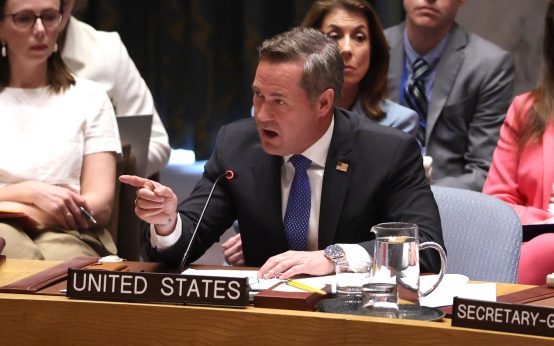 U.S. Ambassador Comments on Iran War Duration Amid Political Concerns
  US-China Relations Under Scrutiny: Expert Warns of Escalating Tensions
  No Timeline for End of Iran Conflict
 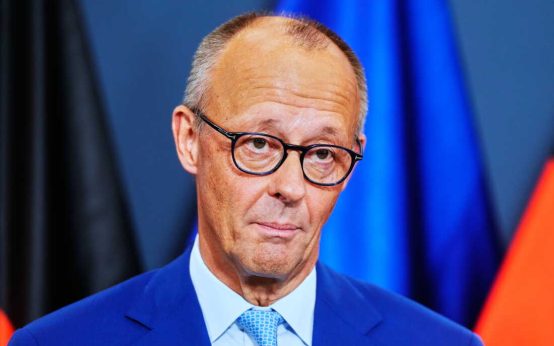 German Chancellor Merz Vows to Pursue Reforms Despite Election Setbacks