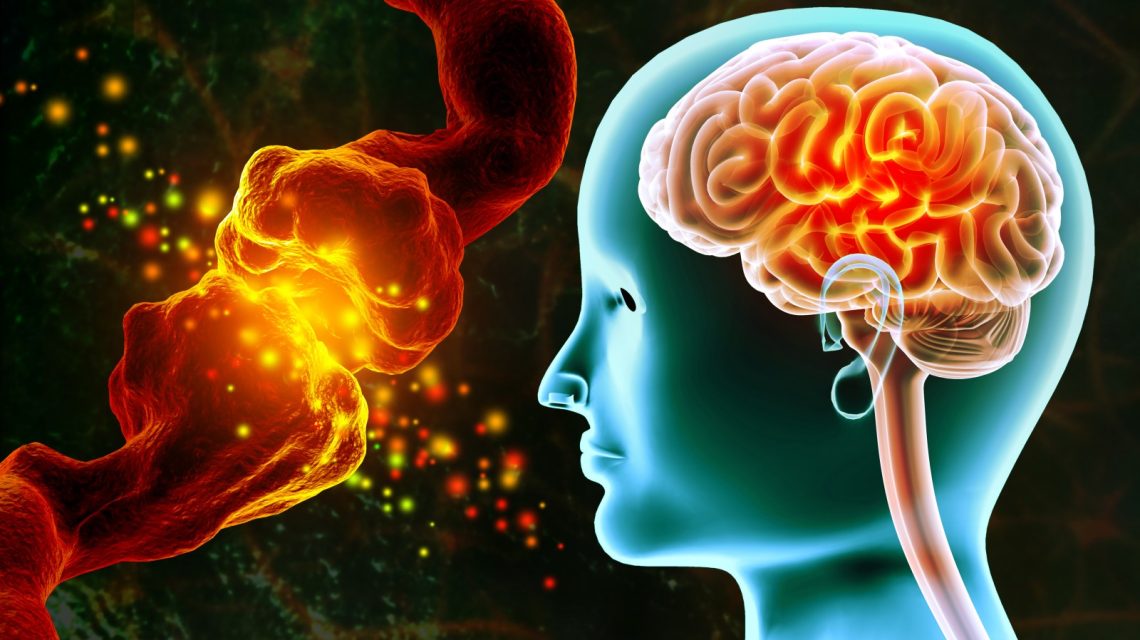
Recent research highlights a potential predictor for dementia. Memory clinics typically use visual rating scales to detect brain atrophy linked to dementia. However, these scales struggle to identify subtle early-stage changes. Dementia, affecting brain functions like memory and daily activities, affects millions worldwide. In 2021, 57 million people lived with dementia globally, reports the World Health Organization.
Early dementia symptoms include memory loss, confusion in familiar places, communication difficulties, and mood changes. With progression, dementia may impair recognition, movement, eating, and bodily control. Currently incurable, dementia’s early detection is crucial for patient management.
Researchers propose that the difference between brain age estimated via MRI scans and actual age might forecast future dementia risk, potentially years ahead of clinical diagnosis.
Stefan De Vries emphasized the added value of AI-estimated brain age in detecting subtle cognitive decline compared to visual assessments. Conducted by Amsterdam UMC, the study analyzed data from 2002 to 2024. Utilizing AI algorithms, researchers assessed the disparity between estimated brain age and real age, termed brain-PAD.
Findings indicate that each additional year of a brain appearing older than the actual age increases dementia risk by 6%. This method could enable earlier identification of dementia, facilitating patient-specific interventions.
The research incorporated medical records from the Alzheimer Center at Amsterdam UMC over 22 years, involving 412 patients with subjective cognitive decline (SCD) reporting memory issues despite normal scores, and 387 with mild cognitive impairment (MCI) exhibiting subtle cognitive challenges.
Structural MRI scans, cognitive test scores, and traditional MRI visual ratings were evaluated. AI algorithms calculated brain age differences. An aged brain appearance highlighted potential future dementia development.
Among SCD patients, a brain appearing at least 2.6 years younger indicated a 99% chance of avoiding dementia in the following two to ten years. For MCI patients, estimating brain age offered similar results to current MRI evaluations.
The study recommends further clinical trials to validate the approach, suggesting AI could complement existing methods to identify dementia risk early. De Vries stated their intention to explore AI’s role in supporting radiologists to enhance diagnostic accuracy in memory clinic settings.
 Susie Wiles Discusses Her Recovery from Breast Cancer
  Tofu Tops Protein Source Rankings: A Comprehensive Analysis
  Ensuring Lasting Smiles Act: A Necessary Step for Healthcare Reform
  Americans’ Confidence in Federal Food Safety Drops to Record Low
  Flu Season Hits Early: Importance of Timely Vaccination
  Exploring the Potential of GLP-1 Drugs Beyond Weight Loss