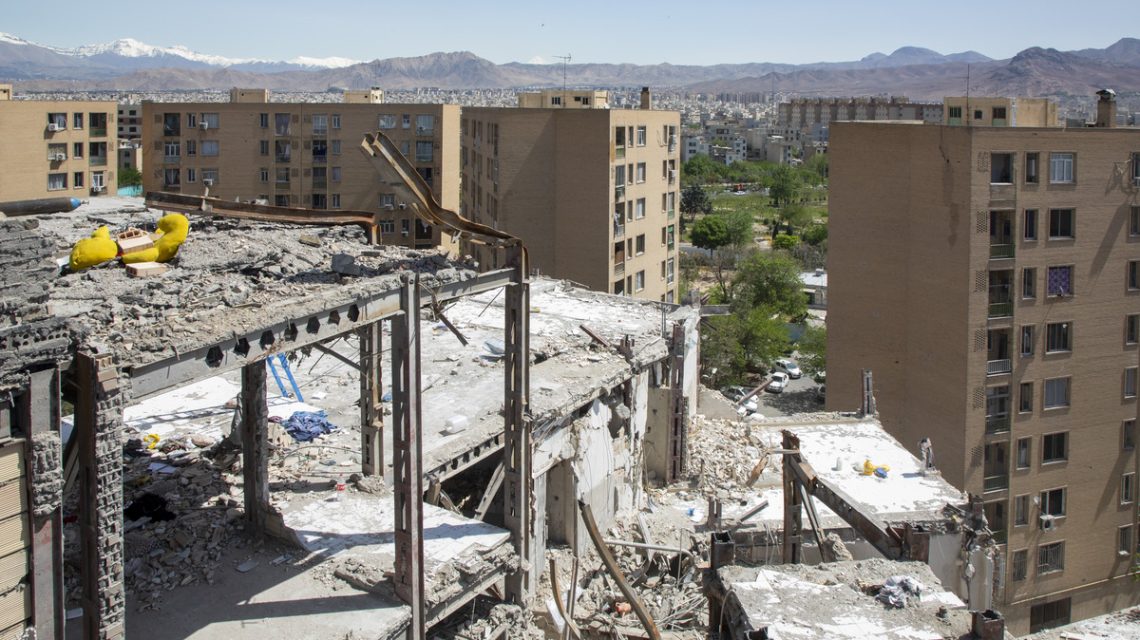
Recent discussions about the US paying Iran $300 billion for reconstruction have stirred confusion. Officials from the Trump administration have assured that no American taxpayer money will fund Iran. Vice President JD Vance stated that not a cent from US taxpayers would go to Tehran.
Understanding the Agreement
The confusion arises from a deal inked by President Donald Trump, which includes a $300 billion Reconstruction and Development Fund for Iran. This fund is designed to help Iran rebuild after joint bombardments and stabilize its war-affected economy.
Item 6 in the 14-point memorandum of understanding calls for a definitive plan to be developed within 60 days during nuclear program negotiations. However, with talks in Switzerland canceled, further details remain unclear as well as the mechanism of investment and funding sources for Iranian projects.
No US Taxpayer Money Involved
US officials clarified that private investments will fund the initiative, not US taxpayer money. Gulf Arab states are expected to contribute significantly; the deal refers to “regional partners.” US companies will need waivers and permissions due to ongoing sanctions against Tehran.
Companies from the US, Middle East, Asia, Africa, and South America have reportedly pledged more than half of the funds, according to Reuters. Vice President Vance emphasized that economic benefits would reach Iran only if its authorities make substantial transformations.
Potential Investments and Economic Impact
Vance suggested lifting sanctions to allow the UAE to invest in Iran’s power sector, prioritizing population benefits over regime support. Such moves would require easing US sanctions to avoid Emirati companies facing penalties.
Stabilizing Iran’s economy is urgent, including reconnecting Tehran to the SWIFT banking system, disrupted by sanctions. However, experts question the $300 billion fund’s inclusion in the final deal due to the complexity of US sanctions and their impact on foreign banks involved in Iranian transactions.
The Role of Frozen Assets
Frozen Iranian assets needed for reconstruction are substantial. Trump indicated these might be returned, claiming “at a certain point,” the US might have to give them back to maintain investor confidence in the dollar. Estimated at $100 billion abroad, assets span countries like China, Iraq, India, and Qatar.
Iran has prioritized the release of $12 billion. A US official claimed some assets could be released during negotiations, contingent on Iran’s compliance with initial deal terms. The US will also issue waivers to aid Iran’s oil economy, although critics argue this might boost Iran’s economy before finalizing nuclear talks.
Assessment of the $300 Billion Proposal
The US rarely pays reparations but sometimes assists in reconstruction or offers compensation for conflict impacts. Historical precedents include Germany post-World War I and Iraq’s payments after its 1990 Kuwait invasion.
Iran’s $270 billion demand for reparations from US and Israeli attacks remains, but the investment fund offers a diplomatic solution. Encouraging Iran’s nuclear negotiation concessions, the fund might stabilize Iran’s economy in the short term. However, experts warn it won’t fully address wartime economic damage.
“It’s not a silver bullet figure,” Hellyer concluded.
 Google Fined for Breaching EU Privacy Rules
  South China Sea Tensions Rise after Collision between Chinese and Philippine Ships
 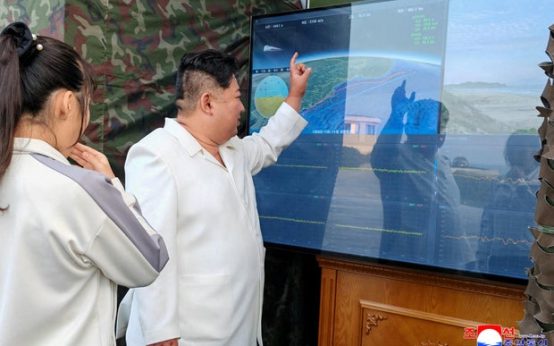 North Korea’s Hypersonic Weapon Test Amid Global Tensions
  Austin Tice: A Search for Answers
 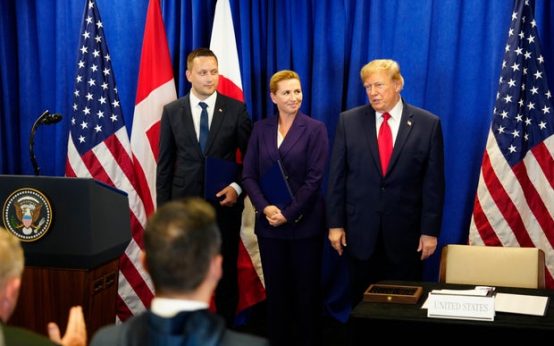 U.S., Denmark, and Greenland Forge New Security Agreement
 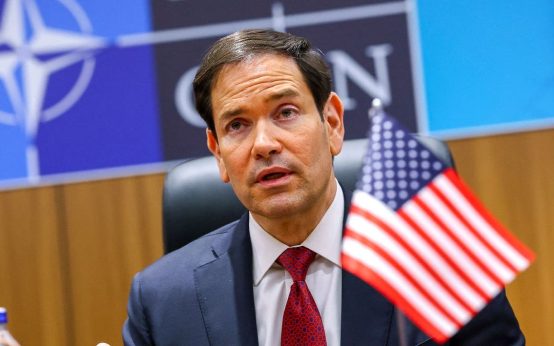 Secretary Rubio Discusses Middle East Conflict and NATO Relations