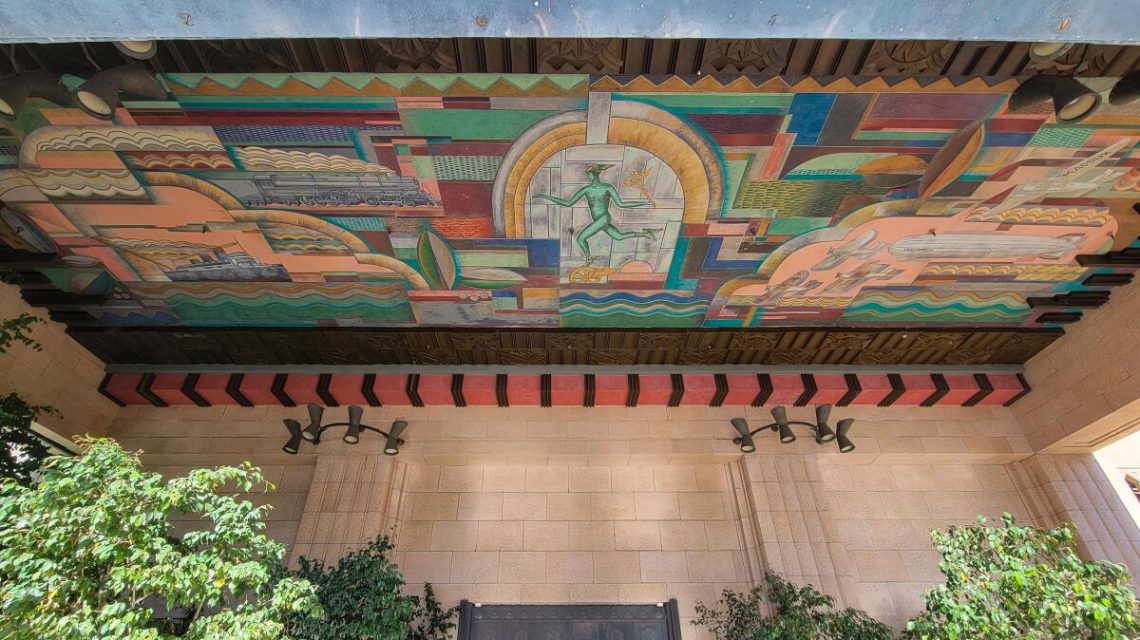
Growing up in Los Angeles, department stores often reflected class distinctions. Each store catered to different segments of society. May Co. offered affordable options during sales. Broadway priced its merchandise higher but had occasional deals. Bullocks attracted the middle and upper-middle classes, Robinson’s drew the elite, while I. Magnin was for the affluent.
These stores didn’t just sell products; they served as portals to a different lifestyle. While my grandmother mainly window-shopped, these outings provided her with a glimpse into various social strata. Even if she only left with a perfume sample, the experience was invaluable.
“Department stores were more than shopping venues; they were cultural touchpoints.”
The essence of these stores diminished over time. Two decades ago, the iconic department store era came to a close with the removal of Robinsons-May signs in 2006. These stores once surpassed competitors like Bullock’s and Buffums, yet eventually lost to national chains and shifting consumer preferences.
Back in their prime, advertisements from these stores dominated local newspapers, revealing a societal hierarchy. Mid-market names like May Co. and Broadway occupied the news sections, displaying photos of products. Upscale stores like Robinsons preferred features sections, with their elegant sketches of people in dramatic settings.
The stores originated as vast emporiums in downtown L.A., accessible by street car but adapted well to post-war suburban expansion. They became the focal points of new shopping malls, elevating the status of the areas they entered.
Grandmother’s Nostalgia
These department stores, for many, were more than retail locations. They were akin to amusement parks for my grandmother. She would often dine at Bullock’s Wilshire’s tea room, a place where extravagant hats and gloves were still in vogue in the 1980s. Robinson’s in Beverly Hills was her spot for celebrity sightings, a place decorated with exquisite materials from around the world.
When these stores closed, it wasn’t just a loss of retail space but a loss of a cultural institution. Former employees noted the significant change in community dynamics with their closures.
Preserving Memories
Despite changes, some places still evoke the essence of those grand department store days. In Pasadena, the Bullocks (now Macy’s) brings nostalgia with its vintage charm and decor. My grandmother would take trips there to experience a different world.
With corporate decisions affecting store locations, there’s always uncertainty about the survival of these sites. However, for now, some continue to exist as relics of a bygone era.
As time progresses, it’s crucial to remember the cultural impact these department stores had on Los Angeles, shaping how communities were perceived and how people interacted within them.
 Teen Pickleball Star Faces a Busy Schedule
  The Benefits of Quitting and When to Walk Away
  Fall Music Festival Outfit Ideas
  Top Duck Boots for Women: Stay Dry and Comfortable
  Disappearing Meals: How Modern Life is Changing How We Eat
  Sophie Frere and the Fascination with Lines at Kasama