
The Gulf Coast faced turbulent weather as disorganized storms merged to form Tropical Storm Arthur, marking the first tropical cyclone of the season in the Atlantic basin. This storm posed a primary threat of flash flooding, as emphasized by the National Hurricane Center in Miami.
Arthur, characterized as a weak storm, had maximum sustained winds of approximately 40 mph (65 kph). It was expected to dissolve by Wednesday night or early Thursday. The storm affected coastal Texas, coinciding with a World Cup match between Portugal and the Democratic Republic of Congo in Houston. The event proceeded as planned at a covered stadium.
Michael Brennan, director of the National Hurricane Center, highlighted the risk of flash floods in the Houston area, predicting prolonged and heavy rainfall that could lead to hazardous flooding conditions. Authorities had begun issuing flash flood warnings, urging vigilance in the affected regions.
Tragedy struck in Houston when a teenager drowned in a flooded retention pond. According to the Montgomery County Sheriff’s Office, the incident involved a group of teens playing near a construction site. The 15-year-old boy’s body was recovered with the help of sonar technology after a thorough search.
This incident serves as a solemn reminder of the dangers associated with floodwaters, particularly following periods of heavy rainfall.
Flash flooding risks were anticipated to persist through Friday in areas spanning Texas, Louisiana, Mississippi, Alabama, Georgia, and the Florida Panhandle. Projections estimated rainfall totals between 5 to 10 inches (13 to 25 centimeters), with localized peaks reaching 20 inches (50 centimeters). A mix of storm surge and tides could result in flooding in typically dry coastal regions.
Arthur-created swells were expected to generate life-threatening surf and rip currents along the northwestern Gulf Coast. Tornado activity was a possibility through Thursday.
An advisory reported the center of Tropical Storm Arthur located around 40 miles (65 kilometers) east-northeast of Port O’Connor, Texas. The storm moved northeast at approximately 9 mph (15 kph), with an anticipated increase in speed.
 Illegal Hunting Incident in Angeles National Forest
  Tibet-Nepal Flood Crisis and its Wider Implications
  Oregon Faces Historic Wildfire Crisis
  The Great Lakes and Microplastics: An Environmental Crisis
 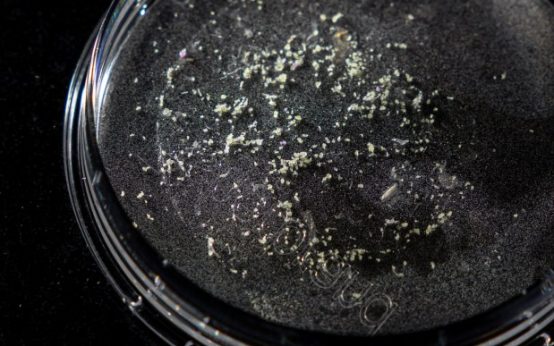 Tackling Plastic Pollution: A Shift Toward Flax-Based Alternatives
 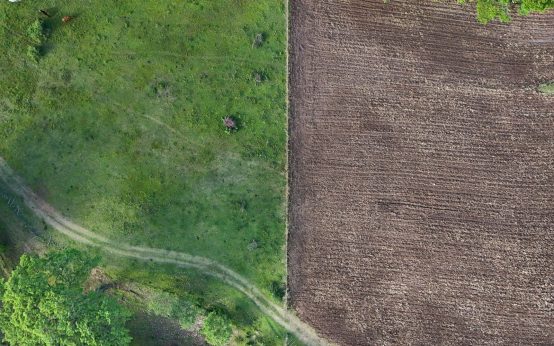 Impact of El Niño on Global Food Prices and Agricultural Commodities