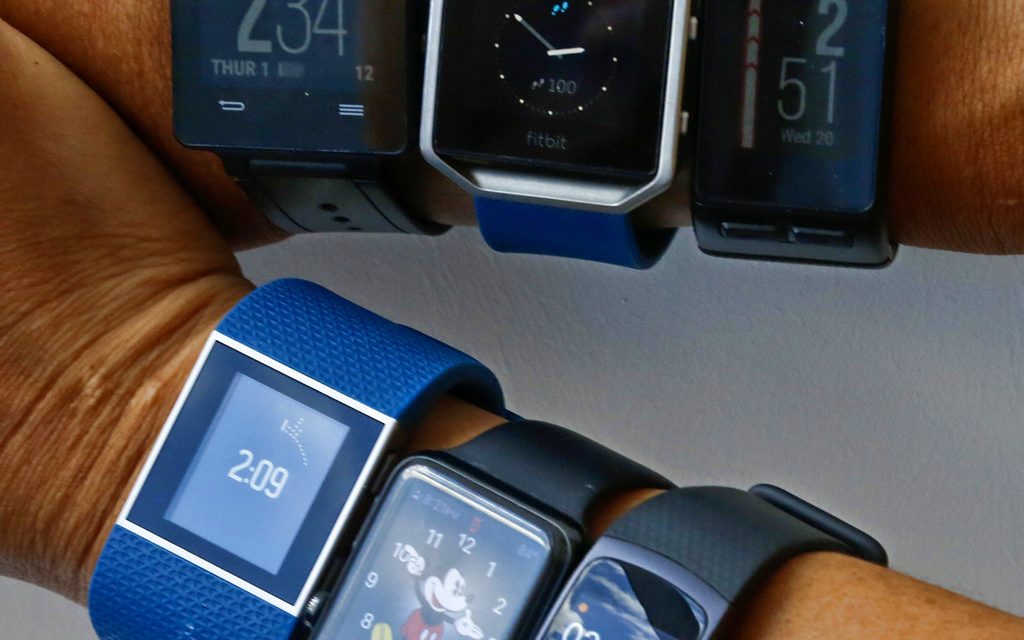
In recent years, there has been a growing concern regarding the exposure of location data gathered from smartphones and fitness tracking devices used by military personnel. A Pentagon directive now prohibits military personnel on sensitive bases and in warzone areas from using such applications that can reveal their whereabouts.
The order warns about the risks GPS technologies pose to those deployed in critical environments. It acknowledges that these devices are often linked with applications capable of uploading users’ GPS coordinates to social media platforms, potentially jeopardizing security.
A hypothetical scenario demonstrates the danger. An adversary’s analyst could monitor a soldier’s movements throughout the day, culminating in an attack on soldiers converged in their barracks.
This situation is not merely a concept. In April 2026, the U.S. Central Command highlighted that commercial smartphone data was utilized to target American soldiers overseas. Iranian missile and drone strikes led to significant damages across U.S. bases, requiring troops to relocate to hotels and offices without adequate perimeter security. Even then, their phones continued to broadcast location data. This prompted Senator Ron Wyden, along with bipartisan support from Representatives Elijah Crane and Scott Perry, to demand swift action from the Defense Department.
The problem is not new. A decade ago, the Pentagon was warned of such vulnerabilities. In 2016, intelligence expert Mike Yeagley demonstrated to military leaders how easily he reconstructed vital data about America’s elite troops using commercially purchased data.
Such warnings have persisted. In 2018, the Strava fitness app inadvertently exposed forward operating base layouts globally. Additionally, in 2024, journalists were able to track American soldiers’ locations across German bases, including their homes, using commercial ad data.
Efforts thus far have been inadequate. While vast military resources develop advanced technologies like the F-35 fighter, there has been insufficient focus on digital security related to personal device usage. Current advice suggesting troops merely restrict app tracking or switch search engines misunderstand the complexity of the threat.
Modern applications create detailed device profiles from multiple signals, offering precision equivalent to GPS regardless of user-enabled permissions. Absence of standardized digital security criteria has allowed adversaries to breach this area repeatedly.
Countries like China have instituted stringent data protection protocols. They’ve barred foreign vehicles from government complexes and regulated data gathered domestically. Conversely, data from U.S. service members’ phones remains vulnerable on the open market.
Resolving this requires more than superficial modifications. Reduction of broadcast signals from devices is crucial, alongside comprehensive understanding by field commanders of the data released publicly by their units. Crucially, this is a feasible challenge to tackle.
This week presents a significant moment as amendments to the National Defense Authorization Act offer Congress the avenue to ensure the Defense Department meets necessary security standards. With confirmed threats and achievable remedies, congressional action is imperative to preempt future conflicts highlighting these vulnerabilities.
Erik Prince, a former U.S. Navy SEAL officer, emphasizes the importance of addressing these issues within the defense and security industries.
 California Gubernatorial Debate: Becerra vs. Hilton
  California Gubernatorial Debate: Becerra vs. Hilton
  California Gubernatorial Debate: Becerra vs. Hilton
  Key Moments and Insights from the Becerra-Hilton Gubernatorial Debate
  Becerra and Hilton Clash Over California’s Future in Heated Debate
  Keith Sonderling Confirmed as Labor Secretary