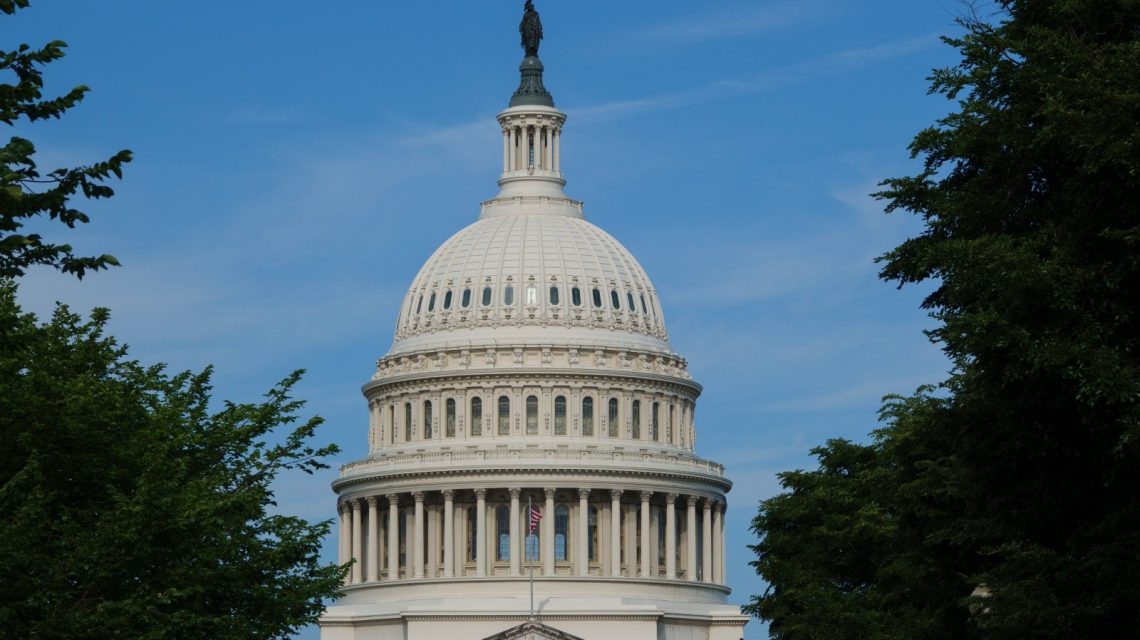
The Senate approved a short-term funding bill in a 90-6 vote early Saturday, ensuring federal government funding until December 11, thus moving the potential shutdown past the November midterm elections. This legislation maintains current funding levels as the existing funding expires on September 30.
The House has already passed a distinct resolution to fund the government through December 4, indicating the need for both chambers to reconcile their versions before the bill can be forwarded to President Trump for approval.
Details of the Senate Funding Bill
The Senate bill, serving as a continuing resolution, temporarily extends federal funding without outlining full-year fiscal 2027 appropriations. By maintaining current funding levels through December 11, Congress gets a window to negotiate the necessary appropriations bills for the remainder of fiscal year 2027.
The legislation includes several notable provisions:
- A clause preventing funds from being allocated to the Border Patrol, reflecting Democrat opposition to Trump administration’s flexibility in redirecting funds to border security.
- Adjustments in funding for housing and food assistance programs, as per Reuters.
- A delay in implementing a nationwide ban on most intoxicating hemp products by one month, which is a Republican point of contention.
- A provision blocking a White House budget office rule that gives political appointees greater control over federal grant distribution. This rule requires senior appointees to review grants, with critics arguing it could politicize grant distribution, while the White House claims it enhances accountability.
Senators Opposing the Bill
Six senators voted against the stopgap. Their profile is as follows:
- Bill Cassidy (R-La.): A senator since 2015 with a focus on healthcare and fiscal policy, previously serving three House terms.
- Tim Kaine (D-Va.): Serving since 2013, Kaine’s political background includes roles as governor and lieutenant governor of Virginia, with a focus on foreign policy and economic issues.
- Ed Markey (D-Mass.): Known for his advocacy on climate change and technology policy, Markey has been a senator since 2013 after decades in the House.
- Rand Paul (R-Ky.): A critic of federal spending, Paul joined the Senate in 2011, known for his stance against large spending packages.
- Bernie Sanders (I-Vt.): Representing Vermont since 2007, Sanders is a long-standing progressive voice on healthcare and labor issues.
- Elizabeth Warren (D-Mass.): An economic inequality advocate, Warren has been a senator since 2013 and was a presidential candidate in 2020.
Implications for Midterm Elections
With the Senate bill extending funding to December 11, the next potential shutdown is postponed until after the November 3 midterm elections. Senate Majority Leader John Thune has pushed for an agreement before the August recess to prevent a shutdown confrontation during the election period.
The House’s version, lasting until December 4, means reconciling both chambers’ differences is necessary for legislation passage.
Next Steps
Despite the Senate’s vote, a shutdown remains possible. The House’s resolution, different in its December 4 expiry, requires alignment with the Senate before reaching the president. If approved by Congress and signed, the legislation will keep federal agencies funded through December 11, avoiding a pre-election shutdown. However, the December deadline foreshadows another spending face-off post-Election Day, either for full fiscal 2027 appropriations or another temporary extension.
 Iowa Senate Election: Turek Leads in Polls Amid Economic Concerns
  Kamala Harris Joins Abdul El-Sayed in Michigan Senate Campaign
  Public Confidence in the Supreme Court at Record Lows
  Federal Authorities Arrest California Lawmaker’s Aide for Visa Overstay
  Hasan Piker Addresses Controversial Comments and Political Involvement
  Lukashenko and Putin Share Light Moments While Strengthening Ties