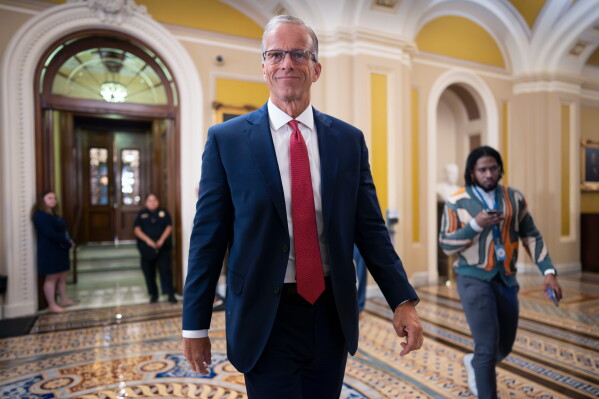
The Group of Seven (G7) summit, held in Evian-les-Bains, France, witnessed significant developments as world leaders addressed the ongoing conflict in Ukraine and the implications for global oil markets. The United States, under President Donald Trump, discussed the potential re-imposition of sanctions on Russian oil shipments. This comes after prioritizing the war in Ukraine in the summit’s agenda, more than four years following Russia’s full-scale invasion.
Recent attention on the Iran conflict had overshadowed Ukraine, but with a recent agreement aimed at ending the conflict in the Gulf, Trump expressed his desire to redirect focus back to Ukraine. He stated that Iran would soon be “back in the rearview mirror,” emphasizing the possibility of restoring sanctions on Russia to control oil prices.
During the summit, President Trump also planned to meet with Ukrainian President Volodymyr Zelenskyy to engage in discussions aimed at resolving the Ukraine-Russia war. Trump expressed optimism about acting soon, citing improved oil flow through the Strait of Hormuz as a pivotal factor.
In March, the U.S. had temporarily relaxed sanctions on Russian oil to address crude price hikes. The waiver continues to be in effect.
“The entire ‘Seven’ supports Ukraine unanimously today,” said Zelenskyy during brief talks with the G7 leaders. He emphasized Ukraine’s commitment to peace and criticized Russia’s manipulation of world leaders.
The G7 leaders also deliberated on Ukraine’s need for Patriot missiles, which are crucial for countering Russian missile attacks. There were discussions on increasing missile production through licensing.
As U.S. aid to Ukraine has waned under Trump, European allies, notably France, have stepped up as major military and financial supporters of Kyiv. Trump downplayed the war’s impact on the U.S. yet lamented the human toll of the conflict.
Simultaneously, the U.K. announced new sanctions targeting Russia’s “shadow fleet” used to circumvent Western restrictions. These sanctions aim to disrupt Russian networks aiding the transport of liquefied gas from sanctioned projects such as the Arctic LNG 2.
While the summit unfolded, Russia launched drones and missiles at Ukrainian cities, resulting in the tragic loss of lives and damaging a religious site. These hostilities occurred after separate phone conversations between Zelenskyy, Trump, and Russian President Vladimir Putin over the weekend.
Trump has previously claimed he could resolve the Russia-Ukraine war swiftly if reelected. Nonetheless, efforts have encountered challenges, with negotiations faltering.
Ukraine has officially initiated negotiations for European Union membership. This process involves substantial political reforms and is perceived as a critical security guarantee post-war. However, some caution persists regarding NATO membership due to ongoing conflict.
In parallel discussions, the U.S.-Iran ceasefire deal received scrutiny at the summit, with Trump contemplating congressional review. Although the agreement text remains undisclosed, Trump favored congressional overview, querying, “Who wouldn’t approve it?”
Republican lawmakers have sought further details on the agreement, expressing doubts over its potential to deter Iran’s nuclear ambitions.
Additionally, Trump highlighted his dissatisfaction with Israel’s handling of tensions involving Hezbollah, citing prolonged operations as detrimental to broader negotiations, notably those with Iran.
French President Emmanuel Macron assured swift Western action to stabilize the Strait of Hormuz and mitigate the effects of rising oil prices. France and the U.K. back initiatives to bolster maritime security in the region.
The G7, comprising France, the U.S., Canada, Germany, Italy, Japan, and the U.K., invited guest nations, including Brazil, India, Kenya, and South Korea, to participate in select discussions.
 Google Fined for Breaching EU Privacy Rules
 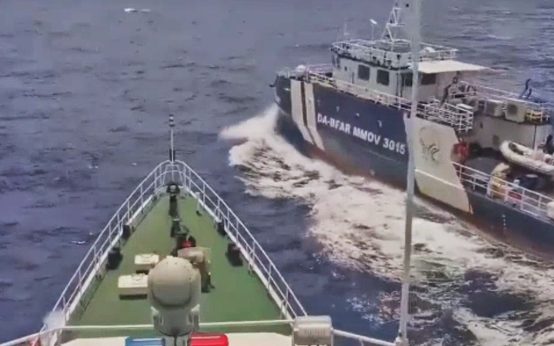 South China Sea Tensions Rise after Collision between Chinese and Philippine Ships
 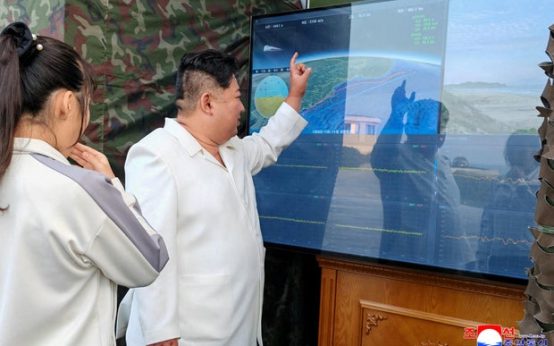 North Korea’s Hypersonic Weapon Test Amid Global Tensions
  Austin Tice: A Search for Answers
 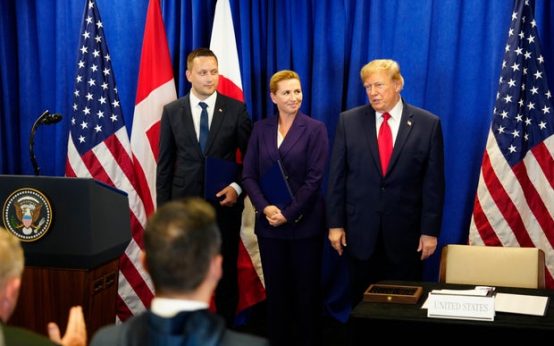 U.S., Denmark, and Greenland Forge New Security Agreement
 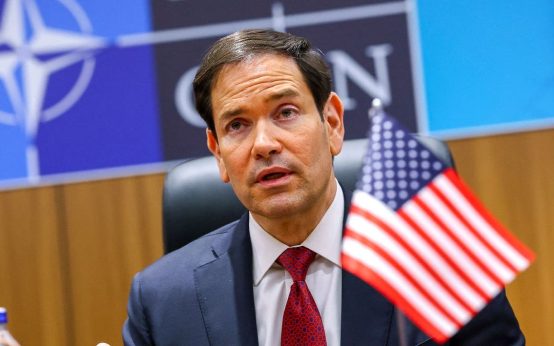 Secretary Rubio Discusses Middle East Conflict and NATO Relations