In the early hours of Tuesday, Aida Jleilati and her daughter found themselves sifting through the ruins of their home in Nabatiyeh, a city in southern Lebanon. Their house had been flattened by an Israeli airstrike in late May. They were among a small group of people cautiously returning to the area to assess their homes after a U.S.-Iran agreement aimed at ending the conflict. The deal is expected to include a cessation of hostilities between Israel and Hezbollah in Lebanon.
Even though fighting continues, airstrikes have become less frequent following the U.S.-Iran deal. Many displaced residents are using this lull to check on their properties. Jleilati and her 22-year-old daughter, Sukaina al-Muhtadi, lived on the first floor of a three-story building that was destroyed.
“All that we have gathered in our life has been wasted,” Jleilati said, reflecting on their loss. Her daughter learned about the building’s destruction on social media.
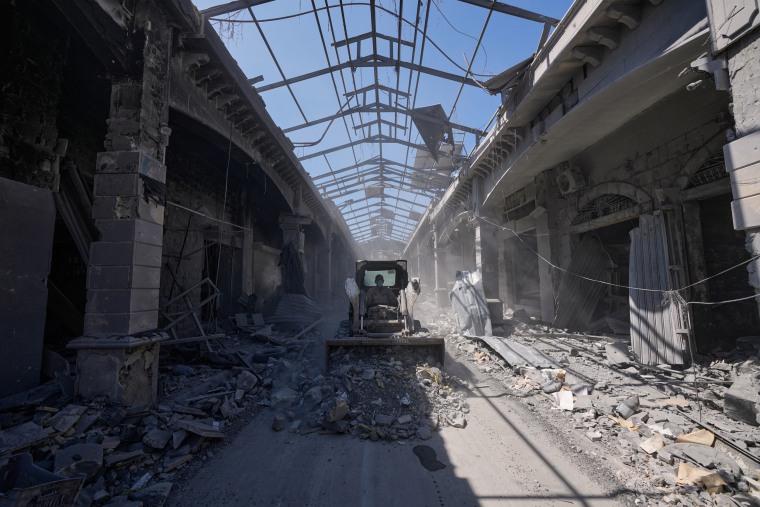
Nabatiyeh has faced intense bombardment since the onset of the latest Israel-Hezbollah conflict, resulting in numerous casualties. The city’s bustling market has been largely reduced to rubble. Bulldozers were clearing debris on Tuesday as civilians returned following the U.S.-Iran agreement.
Uncertain about the durability of the ceasefire, as previous attempts since April 17 have faltered, residents remain cautious. Israeli forces have recently advanced to roughly 2.5 miles southeast of Nabatiyeh. Known for its historical Monday market, the city has long been a trading hub.
The Historical Significance of Nabatiyeh
Since Lebanon’s establishment in 1920, Nabatiyeh has been a religious and cultural center. It has close ties with the Shiite holy cities of Najaf and Karbala in Iraq. Historically, as the capital of the Shiite Jabal Amel region, it was instrumental in spreading Shiite Islam in Iran during the 16th century. Nabatiyeh is a key location for the annual Ashoura commemorations, marking the martyrdom of Imam Hussein.
Ongoing Devastation Amidst Conflict
In Nabatiyeh’s center, Kamel al-Kamel, 75, viewed the remains of his once-thriving business, now reduced to ashes. He estimated losses at $2.5 million, remarking that this conflict surpasses previous wars he has witnessed.
“Thank God we are still alive,” al-Kamel said, moved to tears upon returning to Nabatiyeh.
Samar Zuraik discovered her house still standing, albeit damaged. Her son Ali, 27, was killed in an Israeli airstrike, leaving her with a devastating loss. She remarked on Nabatiyeh’s current uninhabitability amidst ongoing conflict and lack of basic amenities.
Human Toll of the Conflict
Three main hospitals serve the Nabatiyeh area, with the Najdeh El Chaabiyeh Hospital leading in treating those injured. The hospital director, Dr. Shafi Fouani, stated the latest conflict began on March 2 following Hezbollah’s rocket attacks on northern Israel. He noted that the hospital has dealt with around 500 deaths and treated about 1,200 patients. Many were referred to facilities in Beirut or Sidon due to critical conditions.
As of now, over 3,800 people have died in Lebanon during this conflict, according to the Health Ministry. Israeli sources report casualties including 30 soldiers, a defense contractor, and two civilians.
On Tuesday, Israeli forces launched artillery into Nabatiyeh’s outskirts as Hezbollah retaliated with rocket fire. Israeli forces aim to capture the strategic Ali Taher hill overlooking Nabatiyeh.
Despite ongoing danger, Jleilati and al-Muhtadi found brief solace in recovering a childhood memento from their former home. They plan to return to a Beirut suburb, awaiting the ceasefire’s stability to decide if they can rebuild their lives in Nabatiyeh.
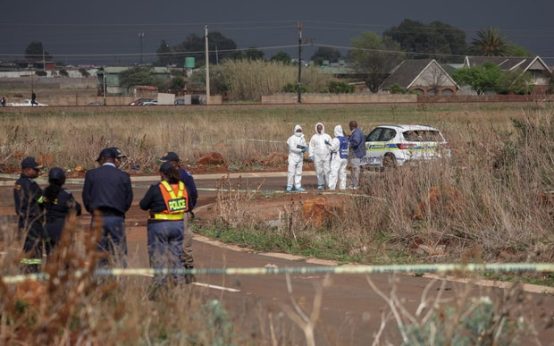 Arrests Over Kempton Park Killings in South Africa
 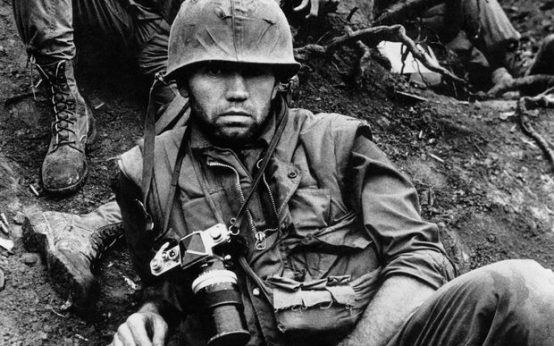 Don McCullin’s Final Book: A Pioneering War Photographer’s Legacy
  Rep. Alexandria Ocasio-Cortez Defends Macklemore Amid Tour Controversy
  Google Fined for Breaching EU Privacy Rules
  South China Sea Tensions Rise after Collision between Chinese and Philippine Ships
  North Korea’s Hypersonic Weapon Test Amid Global Tensions