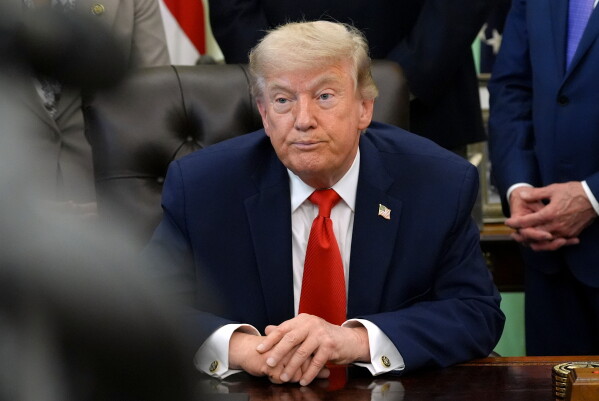
Iran’s influence over the Strait of Hormuz may be decreasing, with rising challenges in its oil sector. This vital passage at the Persian Gulf’s entrance has been disrupted by Iran’s attacks on shipping since February. Such actions led shippers and insurers to avoid navigating the strait, prompting an energy crisis and contributing to inflation globally, including in the U.S.
Recently, conditions seem to be transitioning. Analysts note increased oil movement from Gulf Arab nations, aided by U.S. military efforts. President Donald Trump revealed a ‘secret mission’ facilitating the transport of over 100 million barrels of crude. U.S. forces have actively intercepted Iranian oil trade ships, impacting Iran’s economy by limiting access to needed foreign currency.
Oil flow through the strait remains lower than the prior 15 million barrels per day. It struggles to fulfill global demands as nations deplete reserves to mitigate supply shortages. However, sustained or increased flow might shift the crisis dynamics. Iran’s stranglehold on the strait has been its primary leverage, bolstering its resolve to withstand U.S. pressures despite economic strains.
Iran increasingly senses the mounting challenges. President Masoud Pezeshkian acknowledged the hurdles during a televised speech, noting sanctions and blocked routes complicate governance amidst shortages and unrest.
Continued Uncertainty in Conflict
The situation’s outcome remains unclear, highlighted by intensified clashes involving Iran, Israel, and the U.S. Trump recently threatened severe actions against Iran yet retracted to claim negotiation breakthroughs for peace.
Reopening the strait for oil transport has been Trump’s focus, despite initial dismissal of responsibility. His stance evolved as U.S. military backing encouraged shippers to risk the passage, employing stealth tactics like deactivating tracking systems. TankerTrackers.com observed clandestine ship-to-ship transfers from Gulf Arab nations, aiming to bypass Iranian detection.
Kpler, a commodities monitoring firm, reports exports exceeding 96 million barrels of non-Iranian crude since early May, associated with Trump’s claims. Trump stated via online posts that more than 200 ships traversed the strait following a ‘secret mission’ supporting tanker operations.
Trump asserted U.S. control over the strait, utilizing autonomous vehicles, aircraft, and drone escorts near Oman’s coast. Richard Meade from Lloyd’s List Intelligence suggests involvement of the crashed U.S. Army Apache helicopter in this operation.
US Blockade Impact on Iran’s Oil Industry
Alongside ensuring Gulf Arab states’ oil export, the U.S. blockade has hindered Iranian tanker movement. This includes aggression, like the recent attack on an Iranian vessel killing three Indian sailors.
Iran faces storage and production constraints due to export limitations. It utilizes tankers off Kharg Island for oil storage, nearing capacity. Some Iranian wells slowed or stopped production, posing risks given aged infrastructure might not resume functioning.
According to Wood Mackenzie, Iran’s oil output dropped by 800,000 barrels daily due to the blockade. Onshore storage peaked at 69 million barrels, reflecting severe economic strain.
Oil prices remain under $100 per barrel amidst diplomatic prospects and reserve use by other nations. China’s seaborne crude imports fell to 6.8 million barrels daily in May, the lowest since October 2016.
The evolving situation buys time for Trump and the global economy, though a deal seems imperative to prevent exacerbating the energy crisis.
Associated Press journalists Chan Ho-him and Amir Vahdat contributed to this report. Editor Jon Gambrell oversees Gulf and Iran news for AP, with extensive regional experience since 2006. David McHugh, AP’s seasoned business writer, operates from Frankfurt, Germany.
 Court Rules Against Third-Country Deportation Policy
  Claims to Nazi-Looted Art Spark Legal Battle in California
 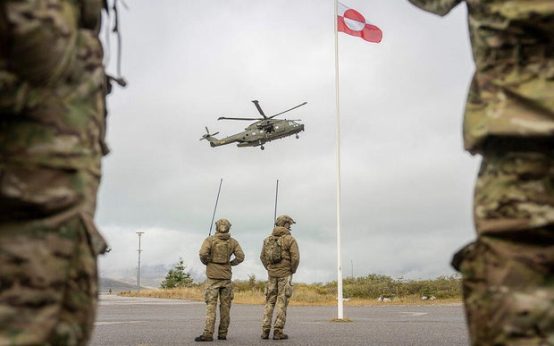 U.S. Secures Strategic Control Over Greenland
  U.S. and Denmark Move Towards Security Agreement Over Greenland
 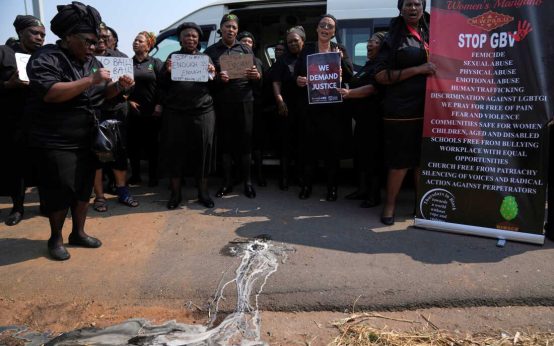 Rising Concern Over Gender-Based Violence in South Africa
 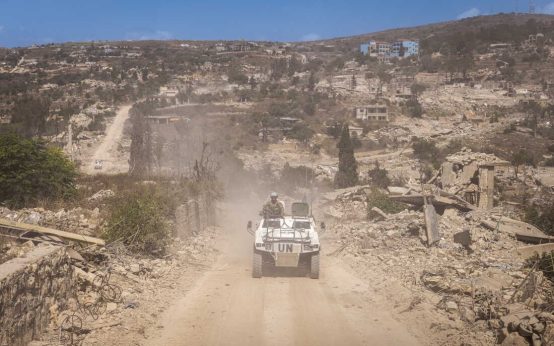 UNIFIL’s Final Patrol in Southern Lebanon Amid Changing Borders