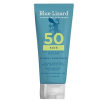
Wearing sunscreen is essential, especially for children. Experts emphasize its importance for all kids over six months old, irrespective of skin color. Dr. Rebecca Carter, a pediatrician at the University of Maryland Children’s Hospital, notes that sunscreen helps protect against sun damage and reduces long-term skin cancer risks.
Speaking with dermatologists and pediatricians, I learned about identifying safe, kid-friendly sunscreens and the proper application. Below, you will find expert recommendations for top kids’ sunscreens, including water-resistant, powder, and stick options.
Our Top Picks for Kids’ Sunscreens
Best Overall
Blue Lizard’s mineral sunscreens are highly recommended. Dr. Hadley King, a board-certified dermatologist, appreciates its smart cap technology that turns pink under harmful UV light, which helps educate children about UV exposure. The sunscreen is fragrance and paraben-free, suitable for sensitive skin. For convenience, Blue Lizard’s stick sunscreen is recommended.
Best Without White Cast
NBC Select Senior Production Manager Becca Delman prefers a moisturizing sunscreen lotion for her children. It’s lightweight, leaves no white cast, and has a smooth texture, making self-application easy for kids. This sunscreen features an easy-to-use pump and fits conveniently in a purse or beach bag.
Best Lotion
Banana Boat sunscreen carries the National Eczema Association’s Seal of Acceptance, making it appropriate for eczema-prone and sensitive skin. This lotion is fragrance and oil-free, ensuring no greasy residue. For quick absorption and water resistance, the kids’ sport version offers up to 80 minutes of protection.
Best Stick
Neutrogena’s Sheer Zinc Sunscreen Stick is favored by Dr. King due to its hypoallergenic attributes. Free from fragrances and dyes, it prevents irritation. Stick sunscreens are especially useful for noses, faces, and scalps.
Best Powder
Mineral-based sunscreen powder by Roe is recommended for simple reapplication. Bethany Heitman, an NBC Select editor, appreciates its convenience for everyday use. The brush application adds a playful element for kids, who can apply it themselves with parental guidance.
Best for Very Sensitive Skin
Aveeno, recognized for its sensitive skin-friendly products, offers a mineral sunscreen with soothing oat formulation. It’s non-greasy and fragrance-free, designed specifically for children’s delicate skin.
Most Moisturizing
La Roche-Posay lotion is a chemical sunscreen option for kids over six months. It blends easily without leaving a white sheen, containing glycerin for hydration. Dr. King endorses it for older children.
Best for Babies
This Aveeno face lotion is effective for infants, gentle with a fragrance-free formula. It’s crucial to consult a pediatrician before applying sunscreen to children younger than six months.
Most Soothing
Another mineral sunscreen option, this product contains calendula extract and organic aloe for soothing baby skin. Blue Lizard provides a stick version for easier application. The brand advises application on dry skin 15 minutes before sun exposure.
Best Oil-Free
Cerave’s oil-free, fragrance-free sunscreen is recommended for sensitive skin. It contains hyaluronic acid for hydration. To prevent a white cast, the brand suggests thoroughly massaging the cream in small sections before sun exposure. The stick version goes on clear, offering ease of use.
Best Water-Resistant
Dr. Carter recommends Babyganics mineral sunscreen for sensitive skin. With an SPF of 50, this water-resistant formula includes zinc oxide and titanium oxide, designed to be hypoallergenic and tear-free.
How to Choose the Best Sunscreen for Kids
To select the best sunscreens, experts advise considerations based on formulation, SPF protection, and consistency. Mineral sunscreens with zinc oxide or titanium dioxide are preferred for sensitive skin, avoiding absorption and minimizing irritation. Sunscreens should be noncomedogenic to prevent pore blockage.
SPF measures sunburn protection. A minimum of SPF 30 is necessary, while SPF 50 or higher is ideal. Creams and lotions offer better coverage than sprays. Stick sunscreens are also preferred, though requiring careful application to avoid missing spots.
Safe SPF Levels for Kids
A minimum SPF of 30 is essential. Dr. Jennifer Mancuso, a pediatric dermatologist, suggests SPF 50 or higher to compensate for thin applications. Broad spectrum products protect against both UVA and UVB rays.
The Benefits of Mineral Sunscreen
Mineral sunscreens are less irritating, recommended for infants and young children. They reflect UV rays rather than absorbing. However, sunscreens labeled as ‘mineral-based’ may contain some chemical elements, yet remain suitable for older kids. Babies under six months should avoid sunscreen, using protective clothing instead.
Some prefer chemical sunscreens to avoid a white sheen. Nonetheless, consider waiting for further FDA studies on chemical ingredients before using them regularly on young children and adults.
Frequently Asked Questions
Creams and lotions are superior for coverage; stick sunscreens offer easy application. For spray sunscreens, experts recommend spraying into hands first to prevent inhalation.
Younger children often need adult assistance to apply sunscreen. Dr. Lal suggests the ‘9 teaspoon rule’ to cover different body parts. Sunscreen should be reapplied bi-hourly and after swimming or excessive sweating.
It’s crucial to use enough sunscreen, identifiable by visible streaks. Regular sunscreen application requires replenishment every few weeks during frequent use.
Products labeled ‘water-resistant’ or ‘very water-resistant’ require reapplication after water exposure. Setting reminders can help maintain protection.
Other Sun Safety Tips for Kids
Sunscreen is only part of sun protection. Avoid sun exposure during peak hours. Opt for protective clothing, including UPF attire and accessories like hats and sunglasses. Create shaded areas using items like beach tents.
Meet Our Experts:
- Dr. Hadley King, a board-certified dermatologist, provides skin protection advice.
- Dr. Rebecca Carter offers insights into pediatric sunscreens.
- Dr. Jennifer Mancuso specializes in pediatric dermatology.
- Dr. Karan Lal, a dermatologist, recommends best practices for sun safety.
NBC Select showcases skin care expertise, ensuring recommendations are unbiased and financial conflicts are absent from advice.
 Measles Exposure in Philadelphia Raises Health Concerns
  Affordable Halloween Decorations for a Spooky Yard
  Lawsuits Claim Vision Loss Risk from GLP-1 Medications
  States Tighten Regulations on Tianeptine, Known as ‘Gas Station Heroin’
  Bedsure Heated Blanket: A Cozy Essential for Fall and Winter
  Steve Lotysz: From Gates to Galleries