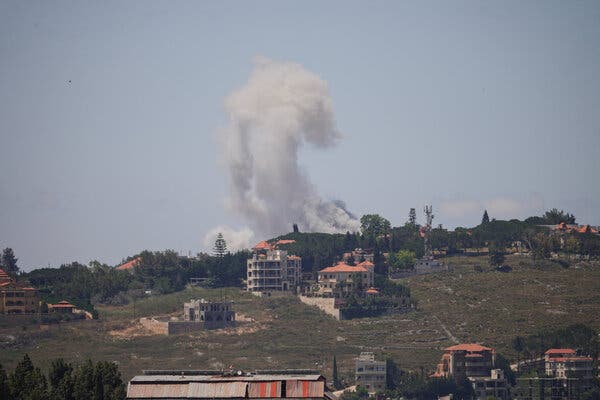
On June 6, 2026, an Israeli attack in southern Lebanon resulted in the deaths of three Lebanese soldiers, including a brigadier general. This incident intensifies the strain on a tenuous cease-fire brokered by the U.S. between Israel and Lebanon.
The general’s death marks the highest-ranking Lebanese officer casualty since hostilities began in March. These hostilities involve Israel and Hezbollah, a militia supported by Iran. Hezbollah holds considerable influence in Southern Lebanon but does not operate under Lebanese governmental control. The group did not participate in negotiations between Lebanon and Israel.
The strike targeted a military vehicle close to Nabatieh, a city in the south. The Lebanese military condemned these attacks by Israel, describing them as “continued, deliberate and repeated.” Despite not being directly involved in the conflict between Israel and Hezbollah, the Lebanese army, often outnumbered by Hezbollah, sometimes finds itself drawn into the violence, exacerbated by Israel’s March invasion and partial occupation of Lebanon.
The Israeli military acknowledged the attack, stating that the military vehicle was moving “suspiciously” near Israeli troops. Israel cited receiving “concrete indications” suggesting Hezbollah’s plans to attack Israeli soldiers, justifying their perception of the vehicle as a threat. The incident is currently under investigation.
Meanwhile, U.N. peacekeepers and Lebanese soldiers are stationed in southeast Lebanon. Although the Lebanese army does not directly engage in the ongoing conflict primarily between Israel and Hezbollah, tensions remain high in the region.
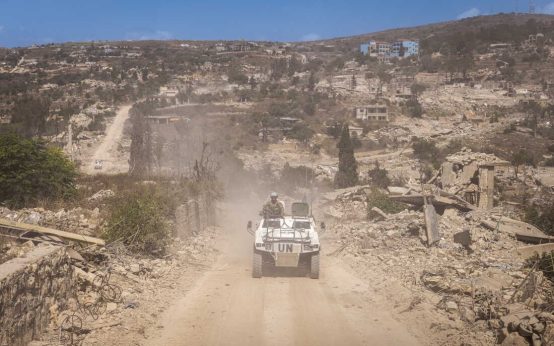 UNIFIL’s Final Patrol in Southern Lebanon Amid Changing Borders
 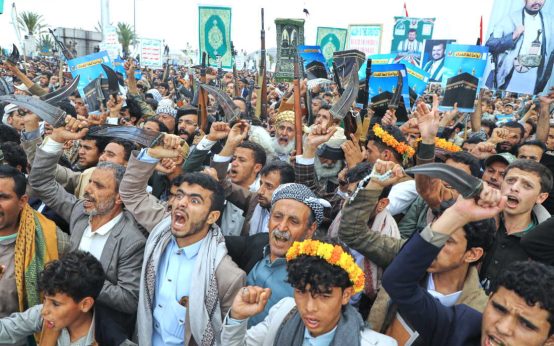 Escalation in Yemen Conflict as Houthis Target Riyadh
  U.S. Strategic Goals in Iran Under Scrutiny
  US Embassies Warn Americans After Houthi Missile Attack
 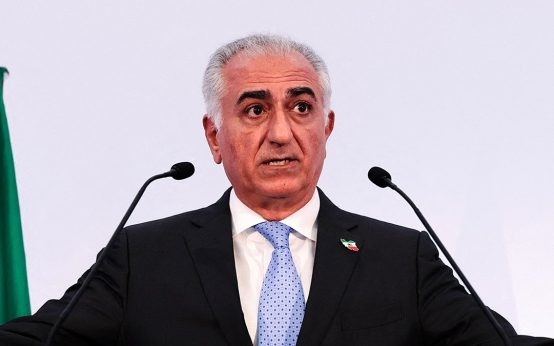 Understanding Iran’s Political Landscape Amid Ongoing Conflict
 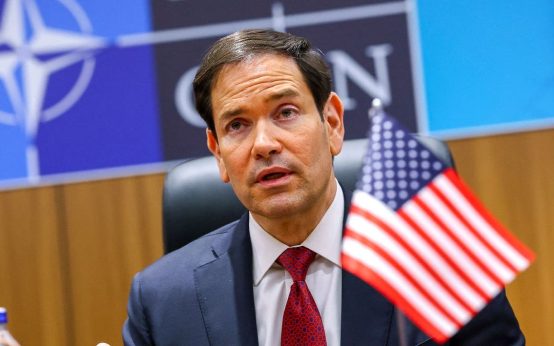 Secretary Rubio Discusses Middle East Conflict and NATO Relations