
As temperatures rise and summer routines begin, many opt for lighter meals such as salads, fruit bowls, and smaller portions. This change is driven by habit and appetite. However, experts contend that this shift does not align with the body’s actual needs. Colin Robertson, a nutrition scientist with a PhD in nutrition and exercise physiology, shared with Newsweek that the idea humans need fewer calories during summer is mostly a misconception.
Research indicates that while warmer temperatures might suppress appetite, it does not mean the body requires less food. A study found that food consumption dropped by about twenty-five percent in summer compared to winter, but energy expenditure did not increase. According to Robertson, this indicates appetite suppression rather than a decrease in metabolic requirements.
Kylie King, a registered dietitian, regularly observes how heat impacts appetite. She explains that while eating less may feel natural in hot conditions, the reduced appetite is a temporary response, not indicative of decreased energy needs. This can result in eating less during the day and increased hunger in the evening, potentially leading to overeating at night. Disrupted sleep due to hot weather can exacerbate this behavior.
Summer foods like salads and fruits are preferred because they feel refreshing and align with natural preferences during heat. Robertson notes that people lean towards cold foods in warm weather despite hot meals being more effective in increasing satiety hormones.
Cultural influences also play a role. King mentions the enduring ‘summer body’ narrative, which can encourage restrictive eating habits. She warns against under-eating throughout the day, as it can lead to consuming more at night. This approach might contribute to summer weight issues people aim to avoid.
Experts caution that reducing food intake poses risks, especially for active individuals. When low food consumption, high activity, and heat combine, it can negatively affect energy, recovery, and hydration. King noted that protein intake often falls in these patterns, affecting muscle recovery. Robertson emphasizes that a decrease in overall intake can make it harder to meet essential vitamin and mineral needs.
Hydration requires careful attention, as relying solely on thirst is insufficient in hot weather. Robertson mentions people often under-drink when only using thirst as a guide, suggesting a structured hydration plan. Hydration impacts appetite as well; dehydration can suppress hunger, leading to inadequate caloric intake.
King advises maintaining structured meals, regardless of appetite. Balanced meals that include protein, carbohydrates, healthy fats, and hydrating fruits or vegetables can provide needed energy while feeling suitable for warm weather.
Experts highlight the myth that less food is automatically healthier in summer. Robertson stresses that eating less does not equate to eating better. Changes in appetite are a physiological reaction, not a sign of decreased nutrient needs. The goal is to adapt eating habits to maintain consistent nutrition as weather changes.
 Measles Exposure in Philadelphia Raises Health Concerns
  Affordable Halloween Decorations for a Spooky Yard
  Lawsuits Claim Vision Loss Risk from GLP-1 Medications
 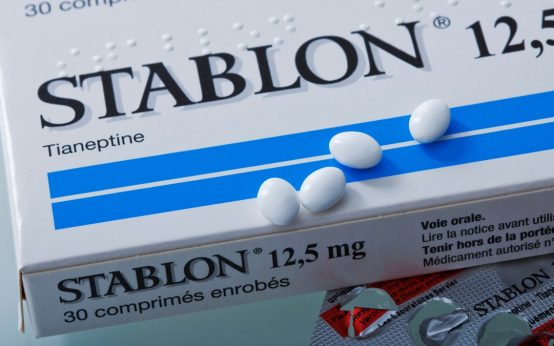 States Tighten Regulations on Tianeptine, Known as ‘Gas Station Heroin’
  Bedsure Heated Blanket: A Cozy Essential for Fall and Winter
  Steve Lotysz: From Gates to Galleries