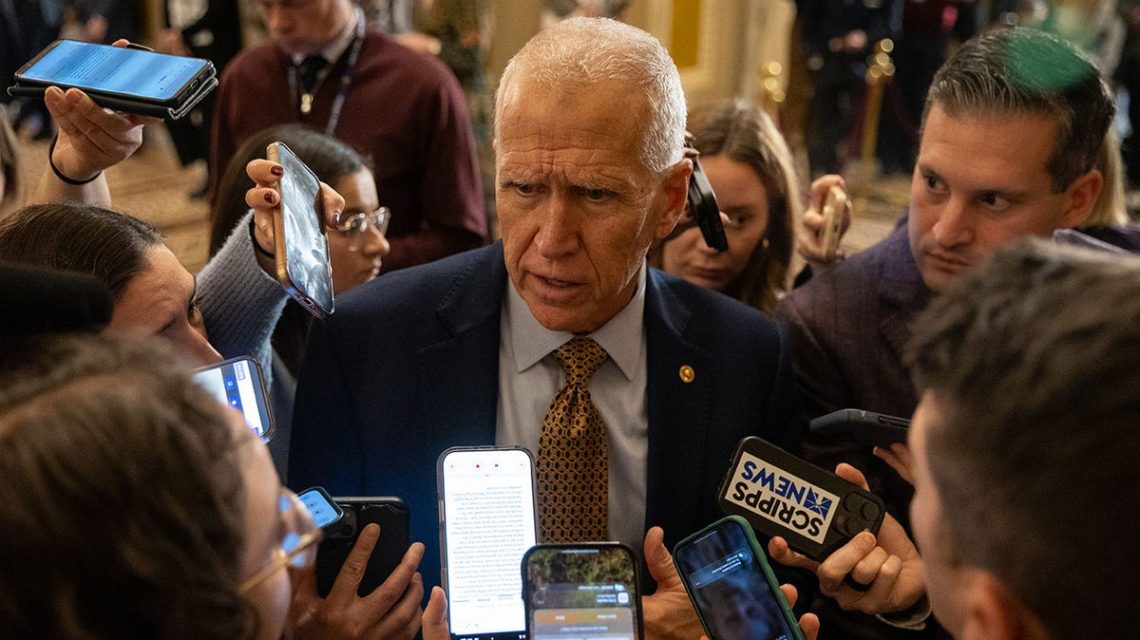
Senate Republicans show skepticism about whether the Trump administration truly abandoned the controversial ‘anti-weaponization’ fund, despite acting Attorney General Todd Blanche announcing its termination. Many in the GOP assert that clear communication is vital to reassure them that the nearly $2 billion fund won’t resurface. This request is crucial because it ties into a larger package designed for immigration enforcement operations.
During a closed-door meeting, Senate Republican leadership expected Blanche’s explanation to ease tensions. He detailed the decision in a House hearing, emphasizing the administration’s decision not to proceed with the fund.
The reasons for the fund, I think, remain as important as they were before, but we are not moving forward with the fund, Blanche stated.
The fund originally emerged from a settlement between the Trump family and the IRS, providing financial relief to those affected by government actions. However, Republicans feared it might enable Capitol rioters from January 6, 2021, to access taxpayer money.
Several Republicans pressure President Trump to definitively eliminate the fund. Senator Chuck Grassley acknowledges Blanche’s statement as indicative of Trump’s agreement, but others, like Senator John Cornyn, argue for stronger proof of the fund’s demise.
Senator Thom Tillis proposes legislation to permanently prevent the fund’s return, emphasizing the need to ‘pretend like this never existed.’ His approach involves adding an amendment to a broader $70 billion reconciliation package.
Senate Majority Leader John Thune notes Blanche previewed his remarks, aiming to unite Republicans behind budget reconciliation. He stresses that achieving success requires at least 50 votes.
Republican leadership plans to initiate this process on Wednesday, targeting delivery of the $70 billion package to the House by week’s end. Some GOP members express optimism about its progress.
If Republicans fail to align, Democratic amendments could stall the package. Senator Susan Collins, along with others critical of the fund, hopes Blanche’s remarks clarify the administration’s stance. Collins remains uncertain about future developments in this fluid situation.
 Republicans Call for Quick Resolution to Iran Conflict
  United States Secures Arctic Defense Pact
  Senator Warren Seeks to Restrict Private Equity in Restaurant Chains
 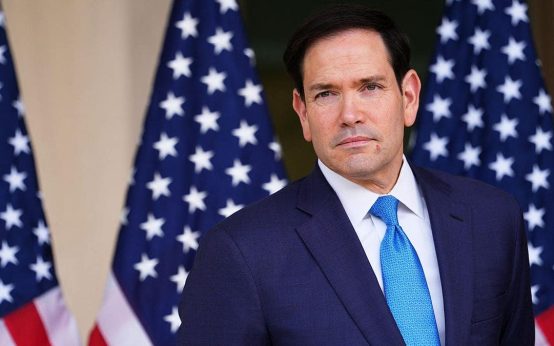 Marco Rubio’s Expanding Role in Trump Administration
 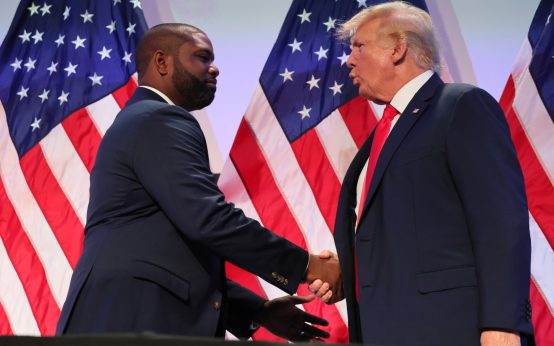 Byron Donalds Adjusts Campaign Strategy as Florida Governor Race Intensifies
 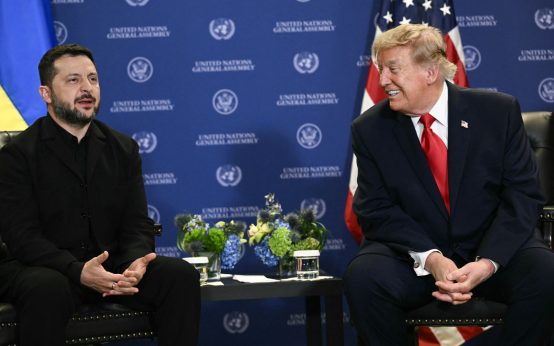 Trump’s Engagements at the UN: Focus on Ukraine and White House Developments