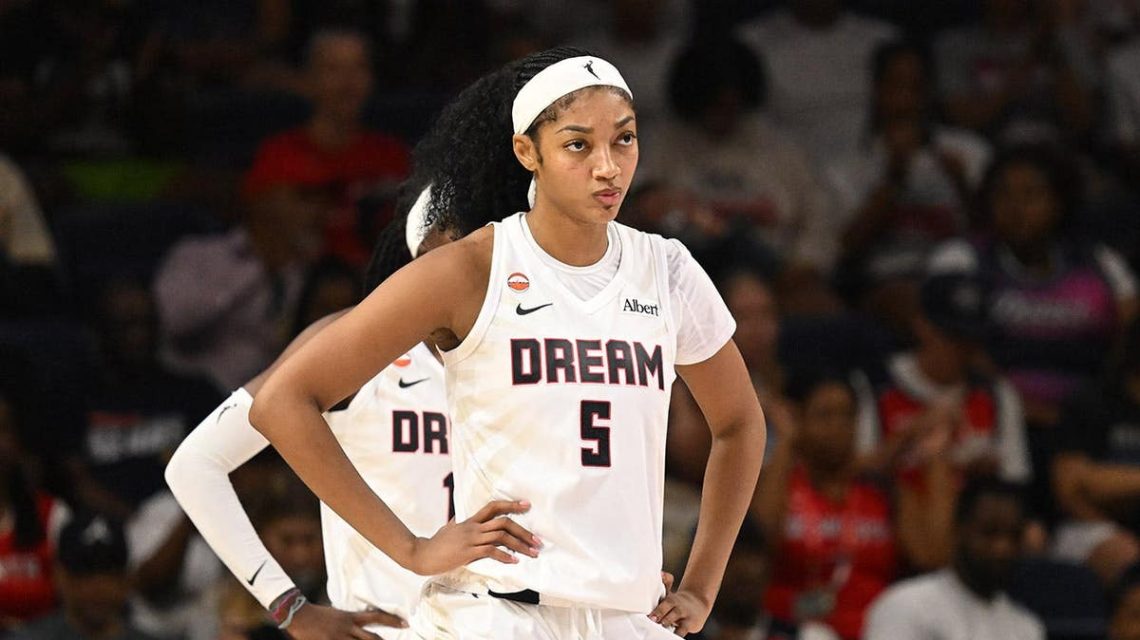
Angel Reese, a prominent WNBA player, has established herself as both a skilled athlete and media figure. While she gains recognition and financial rewards, her approach to handling criticism and social media interactions highlights complexities in modern celebrity dynamics.
Allegations and Context
In a recent incident, Toronto Tempo coach Sandy Brondello referred to Reese as a “protected species,” a term intended to question referee favoritism. Reese interpreted this as a racial implication, sparking controversy. It’s crucial to understand that the phrase is common in Australian sports and doesn’t inherently have racial connotations. Reese’s reaction and the subsequent media attention reflect how cultural differences can complicate exchanges in the sports world.
Broad Social Media Criticism
Reese, like many public figures, faces online abuse. This includes inappropriate content and offensive messages. While blatant harassment is unacceptable, it’s a widespread issue affecting diverse public figures, irrespective of race or gender. Reese’s response to criticism often centers on her identity, arguing that scrutiny stems from racial biases. However, this perspective might overlook the broader pattern of how public commentary targets everyone in the spotlight.
The Caitlin Clark Rivalry
Reese’s confrontation with Caitlin Clark during the 2023 national championship drew significant attention. Her post-game remarks suggested that criticism of her taunt was racially motivated, yet debates about sportsmanship can arise in various contexts. The narrative of victimhood emerged strongly, pointing to disparities in how similar actions by athletes of different backgrounds are perceived and discussed.
Media and Public Interaction
Reese has voiced distrust in media interpretations of her statements, often citing concerns about being misrepresented. This suspicion might stem from past experiences but also underscores the cautious communication required in high-profile careers. Although she complains about media portrayal, Reese engages with platforms where she controls the narrative, such as her podcast.
Accusations and Evidence
Reese has made serious accusations against fans, including racism and stalking. These claims call for evidence and thorough investigation. While the existence of AI-generated images is confirmed, linking them directly to specific fans remains challenging. Such assertions demand clarity and proof, given the serious nature of the allegations.
Victimhood and Celebrity
Reese’s career reflects a blend of athletic talent and adept self-promotion. Her approach often includes framing criticism as racially motivated or culturally insensitive, which has fueled her prominence in the media. While this strategy garners attention and sympathy, it also raises questions about the balance between genuine injustice and the natural scrutiny accompanying fame.
Conclusion
Angel Reese illustrates the complexities of navigating fame with a focus on identity. Her story reveals how public discourse around athletes can be amplified by issues of race and gender. While the benefits of fame are numerous, they come with challenges that Reese and others must manage. The conversation around these experiences continues to evolve, reflecting broader societal issues and the enduring impact of media narratives.
 Deion Sanders Addresses Colorado Loss and Team Conduct
  Steve Lotysz: From Gates to Galleries
  Ireland Faces Calls to Boycott Matches Against Israel
  Jaxson Dart’s Knee Injury Could End Giants Season
  Rod Brind’Amour Suggests Ending NHL Preseason
  Impact of the World Baseball Classic on Paul Skenes’ Performance