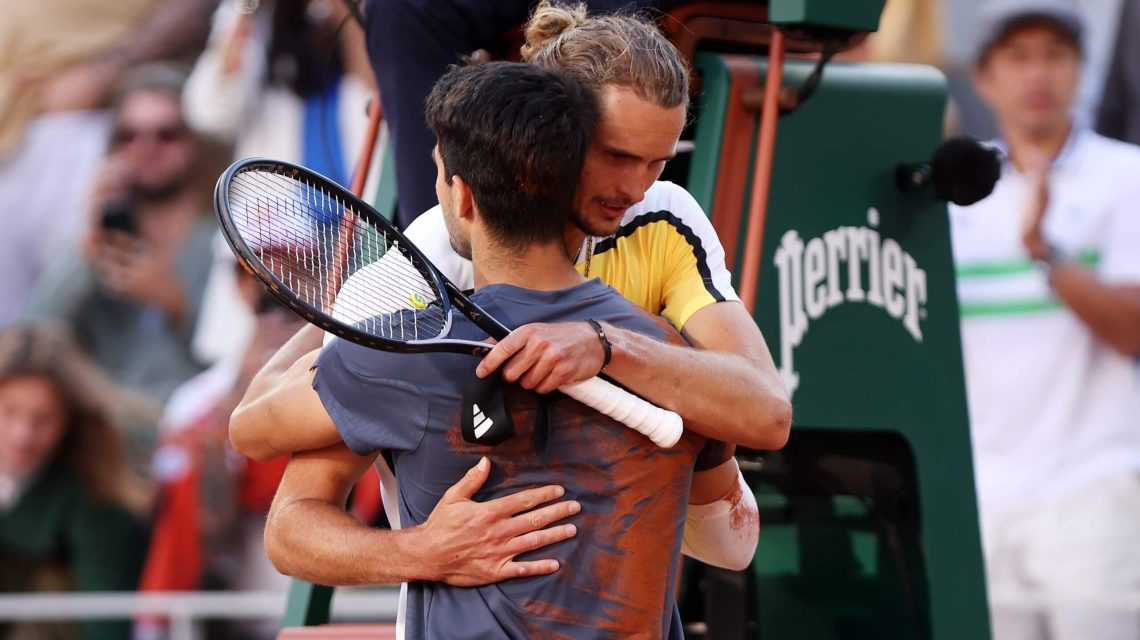
The 2026 French Open has become a significant opportunity for Alexander Zverev. After prominent players, including Carlos Alcaraz and Jannik Sinner, were removed from the contest, the path to victory appears more manageable. Alcaraz, the world No. 2, withdrew due to a wrist injury, while Sinner, last year’s finalist and world No. 1, lost in the second round. Additionally, Novak Djokovic, a notable three-time champion, exited in the third round.
Zverev, 29, faces a position unlike any before, as he previously approached major finals as an underdog. His early finals ended in defeats to Sinner and Alcaraz, while his attempt at the 2020 U.S. Open ended against Dominic Thiem. These setbacks have been a learning process for Zverev.
In the upcoming quarterfinal against Rafael Jódar, Zverev holds a decisive advantage with more experience. Among the remaining competitors, only Matteo Berrettini has reached a major final. Zverev stands as one of the top-10 players left, alongside Félix Auger-Aliassime.
Zverev’s journey highlights a strategic transformation. His initial rise on the ATP Tour featured a blend of powerful serving and steady play against top players like Federer, Nadal, and Djokovic. Though this approach earned him significant successes, including reaching world No. 2 and winning Olympic gold, it has been insufficient against newer talents like Alcaraz and Sinner, who play an aggressive style.
Now, with major contenders out, Zverev faces the decision to adopt his former strategy or maintain an aggressive posture. His old plan may suffice, capitalizing on the opponent’s limitations.
Andre Agassi likened Zverev’s situation to his own, as Agassi lost his first three Slam finals but eventually won eight. Agassi pointed out Zverev’s passive tendencies, acknowledging the potential of Zverev’s backhand and the need to advance his forehand play. Against Jesper de Jong, Zverev’s attempts at a more offensive game showed progress as he won decisively after early challenges.
Zverev has been aware of the expectations tied to winning Grand Slam titles. Though cautious about discussing his chances in this French Open, he expressed confidence after succeeding in challenging matches. In consecutive matches, he demonstrated resilience by overcoming early deficits.
The dynamics of being a favorite bring new pressures. Marta Kostyuk’s performance on the WTA Tour serves as a parallel, illustrating how encountering the pressure of being a favorite at an event can fortify a player’s resilience.
Similarly, the match between Anna Kalinskaya and Anastasia Potapova displayed the psychological aspects of competition, exemplifying how pressure can shift within a match as players gain or lose leads.
For Zverev, each match moving forward poses both a prime opportunity and intense pressure. The tennis world’s expectations and his own past experiences converge in this crucial moment.
 49ers Face Another Injury Setback as Deebo Samuel Sidelined
  Chicago Bears Overpowered by Green Bay Packers in Tough NFC North Clash
  Panthers Observe Competitors’ Mistakes During Bye Week
  Matthew Stafford Sets Record in NFL Monday Night Football
  Georgia Defeats Alabama, Followed by Unruly Fan Behavior
 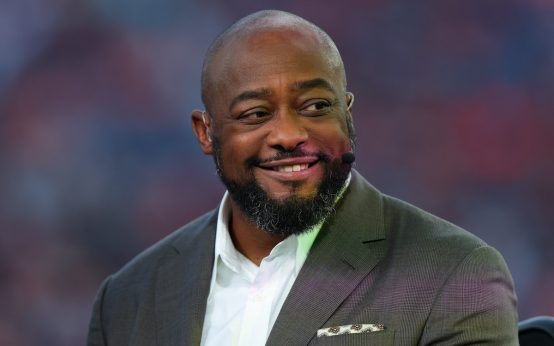 Mike Tomlin Joins NBC Sports, Speculation Arises on Coaching Return