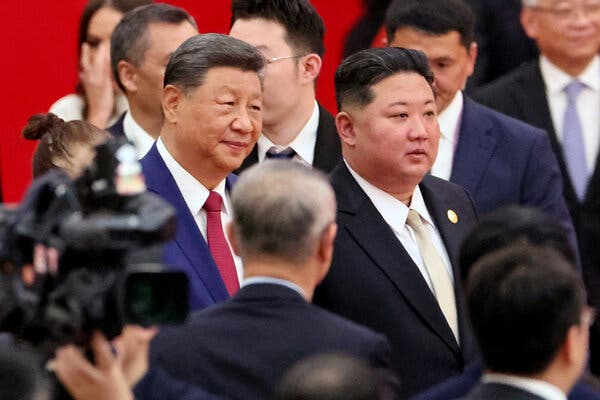
As Xi Jinping, the leader of China, visits North Korea, he encounters a more assertive Kim Jong-un. Recently, Kim’s alignment with Russia has decreased his reliance on China.
In the past, during Xi’s trip to North Korea, Kim Jong-un confronted challenges like sanctions and unsuccessful nuclear discussions with the United States. Now, about seven years later, Xi meets a leader revitalized by ties with Russia, helping him break economic isolation.
This two-day summit aims to present a unified stance against the West. However, analysts believe China also wants to reassert its influence over North Korea, which has been pivoting towards Russia. Kim, on the other hand, is expected to leverage his newfound association with Russia to seek economic benefits from China, aiming to reduce his junior partner status.
The potential for North Korea to balance relationships with its large neighbors could grant Kim greater freedom in advancing his nuclear weapons program. This development might destabilize the region and raise concerns among U.S. allies about China’s military expansion and Washington’s ability to fulfill defense commitments, especially during its conflict with Iran.
Key Aspects of the Xi-Kim Meeting
Xi’s visit focuses on signaling unity but also involves negotiating with Kim. Xi is expected to use his rare audience with Kim to underscore North Korea’s dependence on China, emphasizing Beijing’s crucial role in regional dynamics.
This approach aligns with Xi’s broader agenda to portray China as a superpower rivaling the United States. China seeks to demonstrate its stabilizing influence compared to Washington’s chaotic actions, such as the war with Iran and indiscriminate tariffs. Recent summits in Beijing with leaders like President Trump and President Vladimir V. Putin further reinforce this narrative.
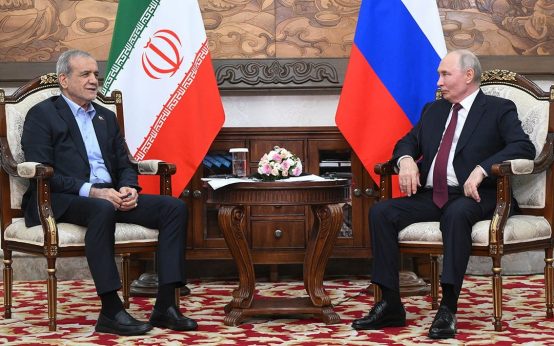 Russia’s Secret Plan with Iran: Financial and Strategic Moves
 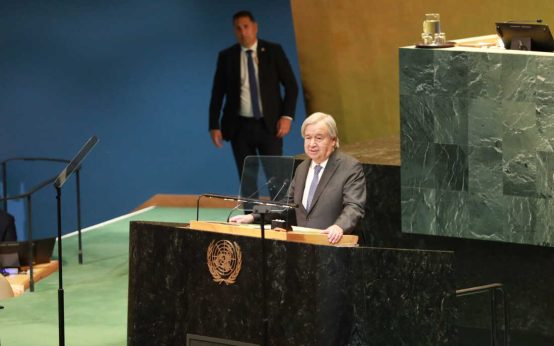 U.N. Secretary-General António Guterres Addresses Final General Assembly
  Suspects in Haitian President’s Assassination Extradited to U.S.
 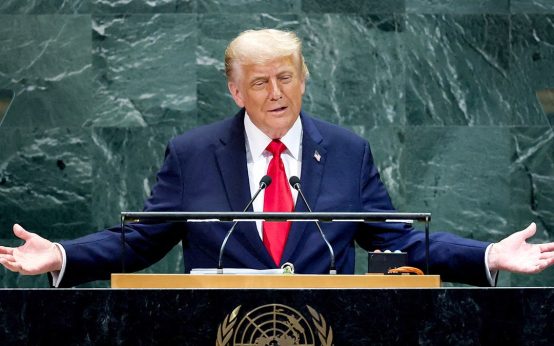 UN General Assembly: Global Leaders Seek Influence Amid International Conflicts
  US Embassies Warn Americans After Houthi Missile Attack
 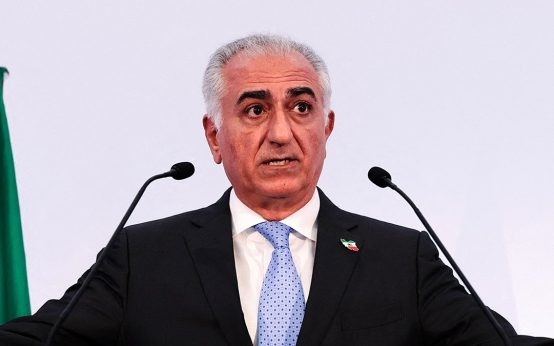 Understanding Iran’s Political Landscape Amid Ongoing Conflict