
Cost-of-Living Adjustment for Veterans
Veterans receiving disability compensation are set for a 3.6 percent increase in their monthly benefits in 2027 following the latest cost-of-living adjustment (COLA) announcement. The Social Security Administration (SSA) announced this increase, which marks a rise from the 2.8 percent adjustment for 2026 and the largest increase since 2023.
The adjustment will apply to more than 6 million veterans nationwide who currently receive Veterans Affairs (VA) disability compensation. VA disability compensation adjustments correspond with Social Security’s COLA, though congressional approval is necessary for implementation. The VA has yet to release its official 2027 payment tables.
Understanding VA Disability Compensation
VA disability compensation provides tax-free monthly payments to veterans with service-connected illnesses or injuries. Eligible veterans include those who incurred physical or mental conditions during service, experienced aggravations to existing conditions, or developed conditions post-service linked to their military duties.
Qualifying conditions encompass various physical and mental ailments such as chronic back pain, hearing loss, traumatic brain injuries, post-traumatic stress disorder (PTSD), respiratory disorders, and specific cancers linked to exposure to hazardous substances.
Compensation amounts depend on a disability rating from the VA, ranging from 0 to 100 percent in increments of 10. These ratings reflect the condition’s impact on health and functioning, assessed through medical evidence, examinations, and related records. A 0 percent rating usually does not entitle a veteran to monthly compensation, though other VA benefits might be available.
Impact of the COLA on Benefits
The 3.6 percent COLA will increase standard monthly VA disability payments across all compensable ratings from 10 percent to 100 percent. For instance, a veteran with a 50 percent rating and no dependents currently receives $1,132.90 monthly. With the adjustment, this amount will rise to about $1,173.68, leading to an extra $40.78 per month.
Similarly, a veteran rated at 100 percent and without dependents could see their compensation increase from $3,938.58 to $4,080.37 monthly, amounting to a yearly rise of approximately $1,701.
Veterans with dependents may qualify for higher payments; those with ratings of 30 percent or more can receive additional compensation for dependent spouses, children, or parents. Veterans with ratings of 10 or 20 percent receive standard compensation irrespective of their number of dependents.
Furthermore, veterans with severe disabilities might be eligible for Special Monthly Compensation, which exceeds standard rates.
Calculating the VA COLA
The annual COLA relies on calculations by the SSA, aimed at preserving federal benefits’ purchasing power amid rising costs. The SSA bases the COLA on the Consumer Price Index for Urban Wage Earners and Clerical Workers (CPI-W), an inflation measure from the Bureau of Labor Statistics.
The SSA compared the average CPI-W from July, August, and September with the previous year’s figures. For 2027, the average CPI-W increased from 317.265 in the third quarter of 2025 to 328.746 in the third quarter of 2026. After rounding, this resulted in a 3.6 percent COLA.
Congress must approve the COLA, through the Veterans’ Compensation Cost-of-Living Adjustment Act of 2026, to authorize the corresponding adjustment to VA compensation and specific survivor benefits.
As of October 15, this legislation awaited enactment, meaning the proposed 2027 rates require congressional approval.
Next Steps for Veterans
Assuming congressional approval, the 2027 VA disability compensation increase is set for December 1, 2026. Payments reflecting the higher amount for December would generally be disbursed at the start of January 2027.
No new claims are needed from veterans already receiving disability compensation. The increase will automatically apply to eligible payments upon implementation.
The VA is expected to release the final 2027 compensation tables post-approval.
 FDA Issues Class I Recall for Dozens of Salad Products Due to Listeria Risk
  Toxic Metal Exposure in Maui Fire Survivors
 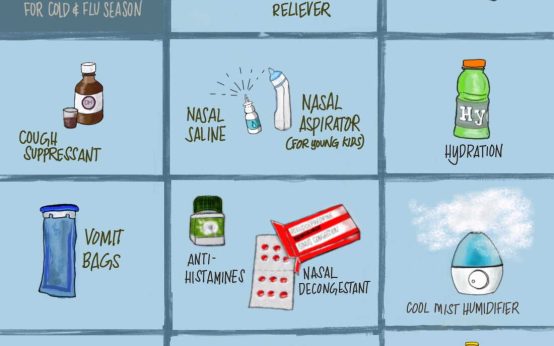 Preparing Your Household for Cold and Flu Season
  Phase 3 Trial Reveals Promising Weight-Loss Results for Retatrutide
  Medicare Insurer Sues Government Over Star Ratings
  GOP Lawmakers Question FDA Over Abortion Pill Safety Review