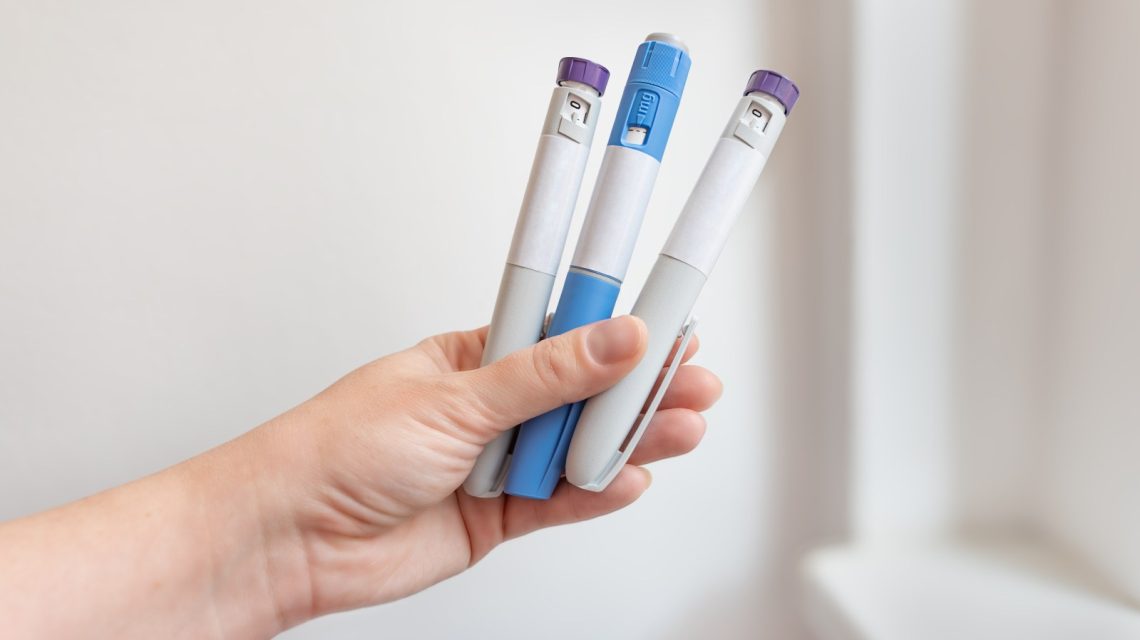
A phase 3 clinical trial funded by Eli Lilly showed substantial success for a new weight-loss medication, retatrutide. Results indicated significant weight reduction and other benefits for participants. These findings, published on September 29 in the National Library of Medicine, emerge as demand for anti-obesity drugs climbs, with companies striving to broaden treatment choices beyond existing GLP-1 therapies like Wegovy and Ozempic.
Retatrutide has garnered interest as researchers examine its potential to offer more profound weight loss and tackle conditions linked to obesity, such as sleep apnea and osteoarthritis. Dr. Brian Wojeck, an endocrinologist at Yale Medicine and assistant professor at Yale School of Medicine, expressed optimism in an interview with Newsweek. He referred to retatrutide as an emerging tool in combating obesity, anticipating further advancements in treatment options.
Understanding Retatrutide
Retatrutide represents a different approach compared to popular weight-loss drugs like Wegovy and Ozempic. Instead of concentrating solely on the GLP-1 hormone, retatrutide targets three hormone receptors—including GIP and glucagon—in addition to GLP-1. This is seen as a potentially more effective method for stimulating energy expenditure and fat burning, contributing to more substantial weight loss.
In Eli Lilly’s trial, retatrutide was administered through injections. GLP-1 medications, similar in some respects, also offer the option of daily pill forms. The FDA approved the first GLP-1 pill last year.
Insights from Eli Lilly’s Clinical Trials
The trial, which included 2,339 adults with obesity but without diabetes, spanned 18 months. Participants included those with knee osteoarthritis and sleep apnea. They were divided randomly to receive either a 4-milligram dose, a 9-milligram dose, a 12-milligram dose of retatrutide, or a placebo.
Significant weight loss was observed among those who received retatrutide. Average body weight reductions were recorded as 17.6 percent for 4-milligram doses, 23.7 percent for 9-milligram doses, and 25 percent for 12-milligram doses. Those who took the placebo experienced a 3.9 percent decrease.
The trial also noted improvements for those with knee pain and sleep apnea who used retatrutide. Gastrointestinal issues were the most common side effects.
Despite promising results, retatrutide remains unapproved by the FDA. Eli Lilly prepares to seek regulatory approval and warns against the use of unregulated versions. The company continues working with authorities to combat illegal sales, emphasizing the risks of unverified drugs.
Concerns Over Unapproved Use
Even without federal approval, retatrutide has been accessed through unofficial channels. Eli Lilly strongly advises against taking products claiming to be retatrutide unless part of official trials. The company highlights the dangers of products with incorrect or harmful ingredients and urges caution.
Tragically, there have been reports of two deaths related to the use of unapproved retatrutide versions. One occurred in July due to cardiac arrest, while another case in September involved an individual purchasing online after receiving advice from a nurse. These deaths were not linked to Eli Lilly’s clinical trial.
 Medicare Insurer Sues Government Over Star Ratings
  GOP Lawmakers Question FDA Over Abortion Pill Safety Review
  New Blood Test May Predict Alzheimer’s Disease Risk
  Ebola Outbreak Reaches Kenya Amid Efforts to Contain Epidemic
  Dr. Rachel Brem on Advancements in Breast Cancer Detection
  Research Links Infectious Agents to Cancer Prevention Opportunities