
The recent earthquakes in Venezuela have laid bare the issues associated with the socialist regime in Caracas. These natural disasters have prompted scrutiny over the effectiveness of collaborating with such a government.
Rescue workers were seen placing wooden crosses on freshly dug graves for unidentified earthquake victims. This somber sight in the area northeast of Caracas underscores the depth of the crisis faced by the country.
The situation in Venezuela highlights significant concerns regarding the strategies employed by foreign nations, particularly the United States, in dealing with the current government. The effectiveness of these strategies is now under question.
The seismic events have not only damaged infrastructure and caused human suffering, but they have also spotlighted the structural weaknesses of the political system. Critics argue that these weaknesses are exacerbating the country’s difficulties.
Questions are now being raised about the role that international partners, specifically the U.S., could play in influencing positive change. Given the humanitarian and political stakes, the global community is reconsidering its stance and approach towards Venezuela.
The complex relationship between international interests and local governance makes the situation in Venezuela a significant topic of concern, needing thoughtful and decisive action.
 American Public Opinion on Press Freedom
  Media Lawsuit Against Trump Administration for White House Ban
  The Cost of Challenging Beijing
 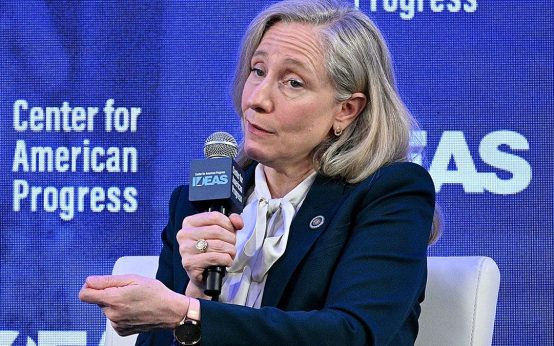 Analyzing Midterm Elections and Party Dynamics
 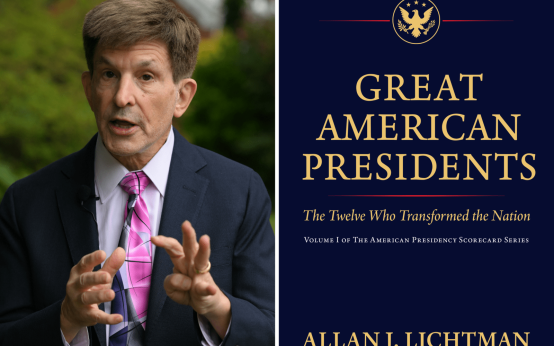 Allan Lichtman’s Framework for Assessing Presidential Greatness
 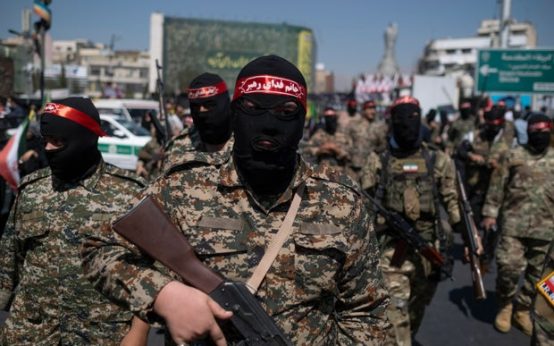 Tensions Escalate in Iran Conflict as Global Leaders Weigh Options