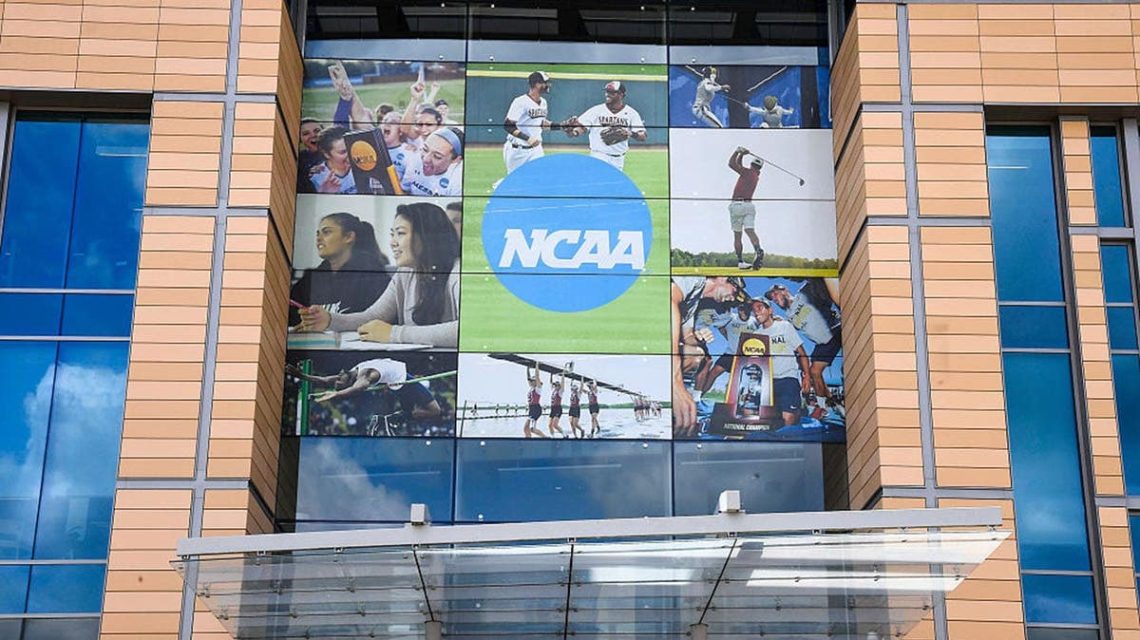
The NCAA’s recent five-and-five eligibility rule has hit a stumbling block due to a ruling by a District Court judge in Colorado. Athletes from the 2022 college entry class filed numerous lawsuits, arguing that the NCAA’s new rule infringed on their rights. They claimed it restricted their ability to earn through NIL and denied them an extra year of eligibility.
In court, the focus was on the idea that athletes who completed their fourth year under the old rule should be allowed more time. They argued that changing rules should not affect those already part of the system without a transition period. As these athletes would have completed their time under the original rules, there was a strong case for grandfathering them into the new system.
Judge Charlotte Sweeney of the U.S. District Court in Colorado granted a preliminary injunction. This order requires the NCAA to issue a blanket waiver allowing all eligible athletes an extra year. Judge Sweeney stated, “All persons in the United States who began to play in collegiate sports in the 2022–2023 season, competed in NCAA Division I sports, and completed four years of eligibility as defined by the NCAA’s prior rules by the conclusion of the 2025–2026 season, and are therefore barred from playing a fifth season due to the NCAA’s adoption and immediate implementation of the Five-Year Eligibility Rule.”
The ruling has led to ongoing legal challenges, with more than 50 plaintiffs involved. The NCAA now faces the decision of granting a universal waiver or appealing the ruling in the Tenth Circuit court. This decision could affect drafting eligibility and remaining roster spots.
Compliance departments across various colleges are actively discussing the implications. Potential issues include dealing with undrafted players returning and roster management challenges. For instance, college football and basketball teams might need to balance the new eligibility rules with their current rosters.
Recently, the NCAA upheld a suspension for Tennessee linebacker Arion Carter, who wished to return to college after an injury halted his draft preparation. Carter’s case, involving declaration for the NFL draft and consulting an agent, resulted in a suspension reduced from three games to two. Such unique cases may prompt further scrutiny from athletic departments.
How the NCAA chooses to proceed will significantly impact college athletics. Their options include implementing a general waiver or continuing the legal battle across multiple jurisdictions.
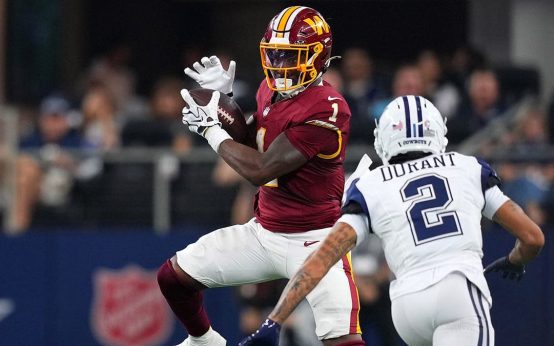 Dallas Cowboys Defeat Washington Commanders Amid Player Injury
 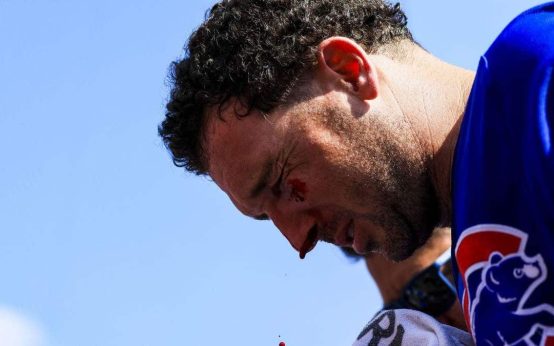 Chicago Cubs’ Alex Bregman Suffers Facial Injury from Foul Ball
 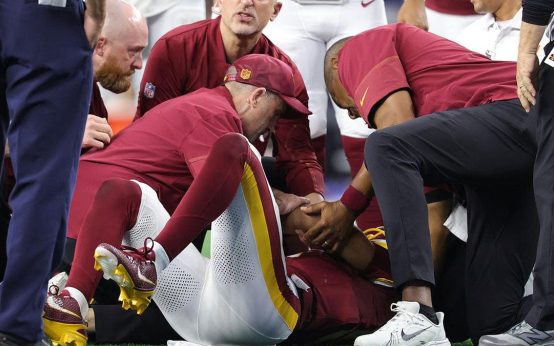 Washington Commanders Face Major Setback as QB Jayden Daniels Suffers Elbow Injury
 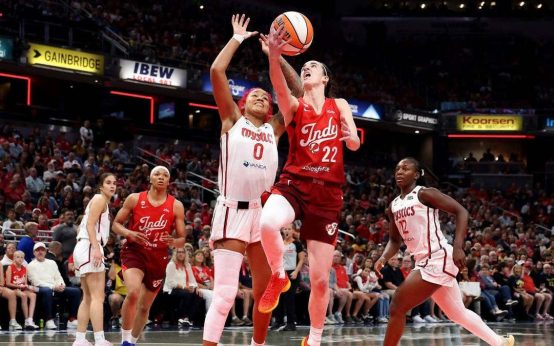 Indiana Fever’s Struggles Against Washington Mystics
 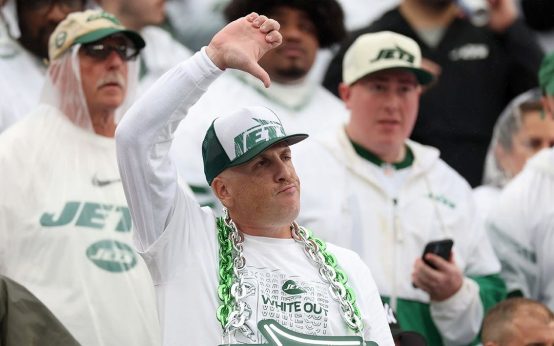 New York Jets Fall to Green Bay Packers After Fourth-Quarter Collapse
 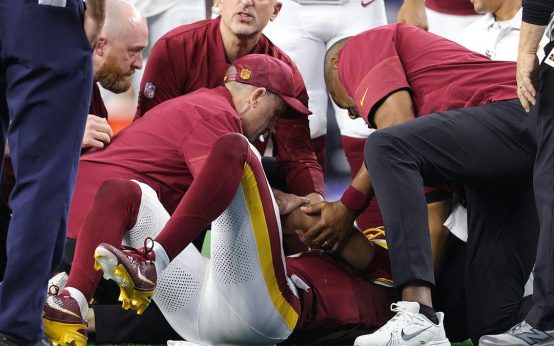 Washington Commanders’ Jayden Daniels Faces Potentially Season-Defining Elbow Injury