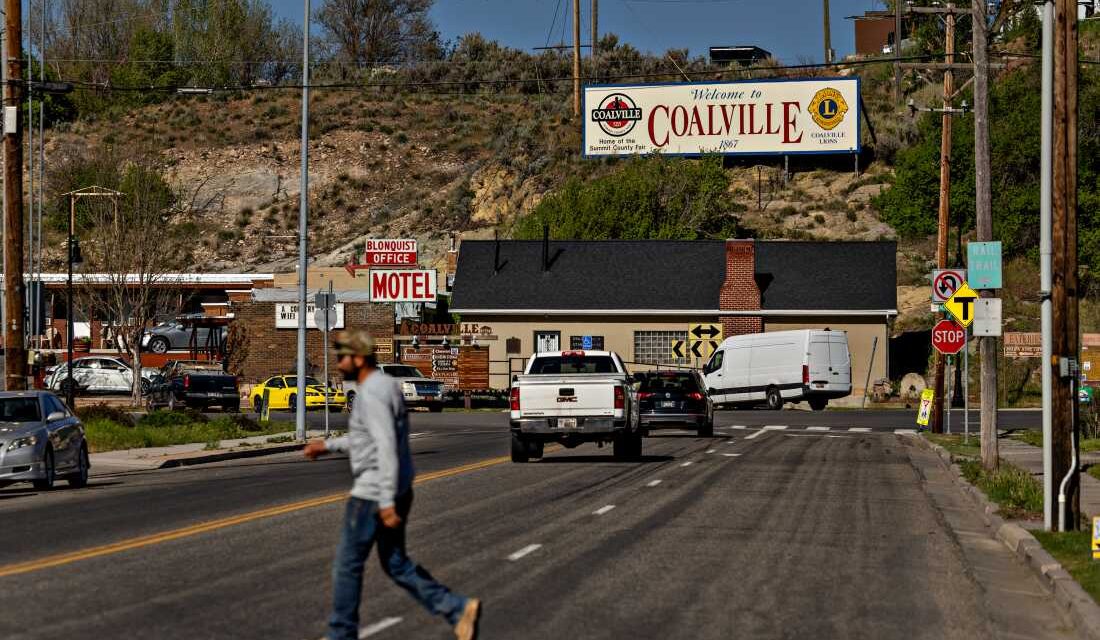
In conservative Utah, several communities are working together to increase renewable energy on the electric grid. This effort, ranging from the largest city to small towns like Coalville, might serve as a model for others in the U.S. to address climate change locally. This is happening as the federal government steps back from clean power initiatives.
Renewable Energy Efforts in Utah
Despite President Trump’s efforts to boost the coal industry by signing executive orders, Utah is moving toward renewable energy. Nineteen communities, including the state capital Salt Lake City, form Utah Renewable Communities. Together, they aim to add clean energy to their power grid by 2030. This coalition seeks to produce enough clean electricity to power approximately 300,000 homes and businesses. Projects planned include solar arrays and wind farms. This initiative required new regulations and collaboration with Rocky Mountain Power, part of PacifiCorp.
Coalville’s Historical Complexities
Coalville, rooted in coal mining history, participates in this cleaner energy future. A miner’s statue marks its coal legacy, but the town is shifting its focus to renewables. Emily Quinton, Summit County’s sustainability director, explains that clean energy offers better reliability and costs in the long term. Though coal is embedded in Utah’s culture, the communities are adapting to pollution issues and climate goals.
Political Actions and Motivation
Utah’s energy mix is changing, with 22% now from renewable sources. Local legislation in 2019 enabled these community-utility collaborations. Steve Handy, a key supporter, faced challenges due to coal’s economic importance. Still, Handy and others see diverse energy sources as essential for Utah’s growth. Park City exemplifies this shift, driven by the impact of climate change on its economy.
Challenges and Collaborative Success
The coalition processes have taken years, showing the difficulty of aligning 19 communities. Yet, they have succeeded, advocating for clean energy. Emily Quinton highlights the mixed motivations of avoiding pollution and reducing emissions. The coalition has gained notice, with inquiries from other states on replicating their model.
Addressing Climate Urgency
Park City’s snowy economy suffers from warm temperatures, making climate action urgent. Luke Cartin, director of lands and sustainability, stresses the pride in creating change in a conservative area. The coalition’s success might inspire other regions to act similarly, projecting strong economic and environmental benefits.
Without the coalition, projects might stall, especially under a federal administration favoring fossil fuels. PacifiCorp has adjusted its plans, revealing economic and customer considerations. Financial data shows renewable projects are cost-effective compared to coal and gas.
Community Action and Future Prospects
Utah towns, like Moab and Castle Valley, are taking steps toward renewable energy. Moab added solar panels to power City Hall, and the wider initiative allows all residents access to clean power. Legislation approval means Rocky Mountain Power will enroll homes with a small monthly fee, with options to opt-out.
The coalition’s strategy, demonstrated by Utah’s communities, highlights local action against climate change, supporting the environment and economy. They plan to announce their first clean energy project soon, aiming for completion by 2030.
 Suncor v. Boulder: Understanding the Supreme Court Case and Its Implications
  Hawaii Faces Challenges from Record-setting El Niño and Hurricanes
  Unexpected Ocean Conditions Bring Challenges to Ventura County
  Trump Administration Reduces Car Fuel Efficiency Standards
 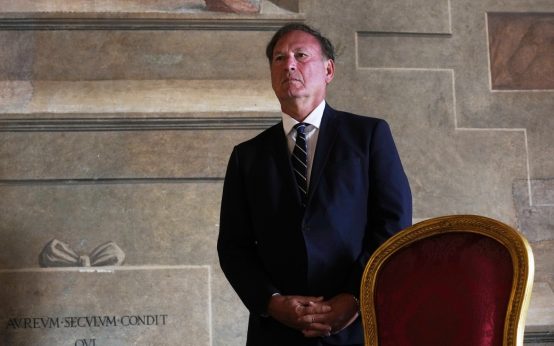 Justice Alito Recuses Himself from Key Climate-Change Case
 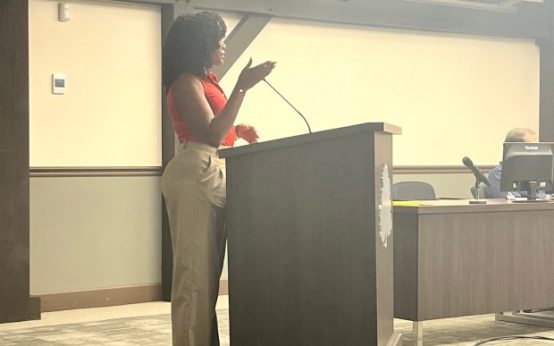 Debate Delays Homer Glen Substation Modernization Project