Hundreds of supporters of the Cockroach Janata Party, an online movement that quickly gained popularity across India, gathered in New Delhi on Saturday. The protest marks the group’s first venture into street politics, after gaining millions of followers through social media.
Held at Jantar Mantar, New Delhi’s notable protest zone near Parliament, the event attracted mostly young Indians, many donning cockroach masks and holding placards. The gathering serves as an initial test of the movement’s ability to transform online support into grassroots action, focusing on frustrations with education, jobs, and economic prospects.
Navigating government pushback poses another challenge. Prime Minister Narendra Modi’s administration has previously suppressed protests, including those against citizenship legislation and farmer movements, sometimes leading to legal action and arrests of organizers.
The Cockroach Janata Party, founded by Abhijeet Dipke, was granted permission for Saturday’s march, which is partly driven by education and job concerns. Participants demanded the resignation of Education Minister Dharmendra Pradhan over a recent exam irregularity. Protesters were encouraged to carry the national flag and a book, symbolizing the right to education and equal opportunity.
“Time to turn this tiny joke into a revolution,” posted the CJP’s official account on social media platform X.
Though the CJP began merely three weeks ago, its Instagram page has already amassed over 22 million followers. Critics and unemployed youth were compared to cockroaches by India’s Chief Justice Surya Kant in May, and Dipke leveraged the insult to inspire a parody political party. CJP uses humor to criticize the government, drawing millions of online views.
Beneath its humorous facade, the CJP highlights dissatisfaction with Modi’s government, suggesting young Indians face reduced opportunities. Young people in India comprise over a quarter of the population but confront rising unemployment and dissatisfaction with traditional politics.
Critics of the movement regard it as a social-media gimmick, questioning whether online success translates to physical protests. However, youth-led social media movements have recently played crucial roles in political protests across South Asia.
 Mayor Mamdani and President Trump Discuss Major Housing Project in NYC
 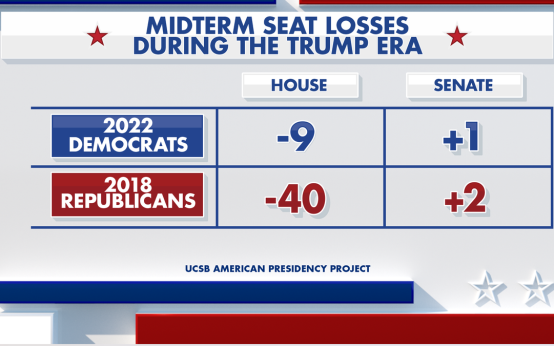 Poll Reveals MAGA’s Increasing Popularity Over DSA as Democrats’ Future Debated
 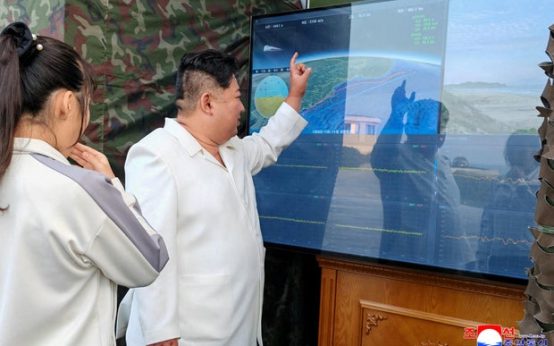 North Korea’s Hypersonic Weapon Test Amid Global Tensions
 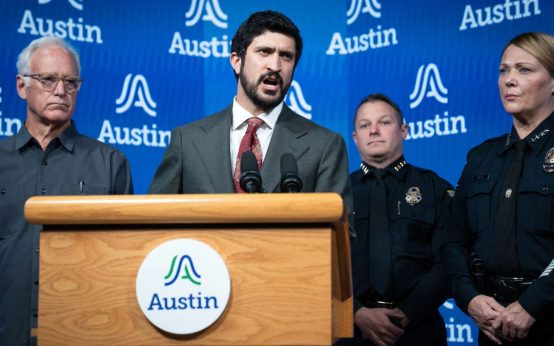 Debate Over ICE Action in Austin Escalates
  President Trump Warns of Escalating War with Iran at UN Assembly
  Tariffs and Their Impact on Everyday Products