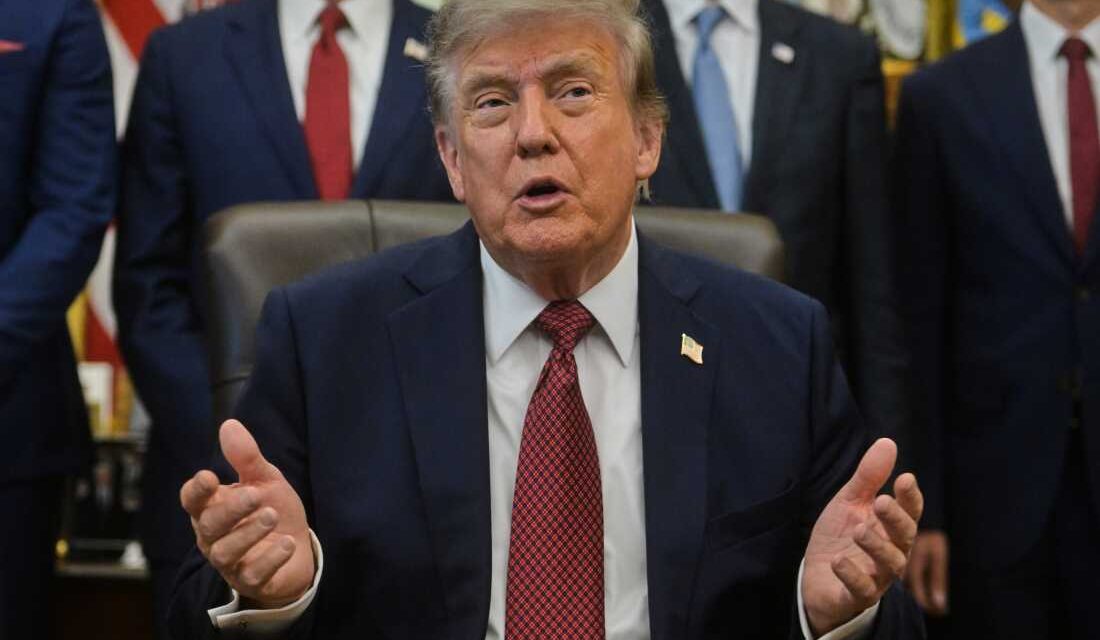
The United States has paused its airstrikes on Iran after weeks of escalating conflict. This decision follows diplomatic efforts aimed at preventing a return to full-scale warfare. The situation remains uncertain as the US and Iran approach a crucial point in their conflict, now nearing its fifth month.
President Donald Trump has issued warnings of further strikes while emphasizing ongoing diplomatic talks. Concerns about rising fuel prices have been downplayed, despite possible impacts on the upcoming midterm elections.
Impact of Israeli Politics
The upcoming visit of Israeli Prime Minister Benjamin Netanyahu to Washington adds complexity to the situation. Israel, which partnered with the US in launching the conflict on February 28, has not participated in the latest American offensives. Iran’s effective blockade of the Strait of Hormuz—through which a fifth of global oil passes—led to these renewed confrontations.
Michael Singh, a senior figure at the Washington Institute for Near East Policy, noted that the lack of Israeli involvement might suggest intentions to limit the conflict. Yet, he warned against assuming too much from the current pause in hostilities.
Diplomatic Negotiations
Mediators are actively working to de-escalate tensions. A regional official involved in these efforts expressed optimism that halting the US and Iranian attacks signaled a positive move toward a solution. The ongoing negotiations focus on a potential compromise over operations in the Strait of Hormuz, aiming at resuming the interim ceasefire.
Iran’s Foreign Ministry confirmed technical talks with Oman about managing traffic through the strait. These discussions are crucial given earlier disruptions caused by Iranian military actions, which significantly increased oil prices.
Implications for US Strategy
Following renewed US attacks on Iran’s coastal defenses, speculation rises about US intentions to compel Iran into negotiation. Amid internal challenges in Iran, including divisions among its leadership, both nations stand to benefit economically from reopening the waterway.
Singh highlighted key issues: which party would control the strait, on what terms, and how to arrive at a stable peace. He suggested that both diplomatic and military strategies will continue until these questions are resolved.
Regional and Global Reactions
Tensions impact broader regional stability. Yemen’s Houthi rebels retaliated against Saudi Arabia for its airstrikes, further affecting vital waterways.
The US continues enforcing a naval blockade, recently stopping a Mozambique-flagged vessel attempting unauthorized movements.
Trump Balances Threats and Diplomacy
Despite this pause, President Trump maintains a confrontational stance mixed with outreach for negotiations. He outlined the dual approach of military pressure and diplomatic engagement while expressing confidence in Iran eventually seeking talks.
In private discussions, Trump reviewed options with national security leaders. He reiterated that addressing the conflict effectively takes precedence over electoral timelines.
 St. Laurence High School’s Transformative Journey
  The Cost of Challenging Beijing
 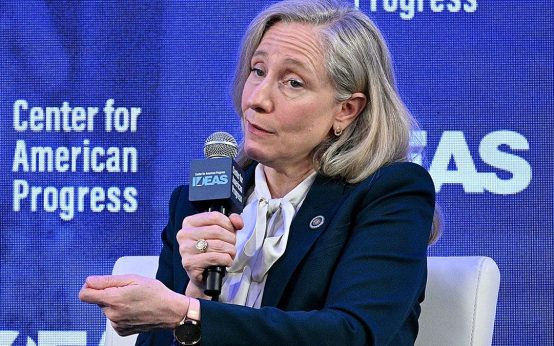 Analyzing Midterm Elections and Party Dynamics
  Significant Events in Chicago History on September 21
 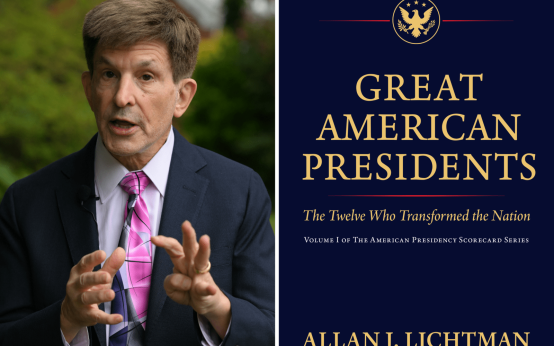 Allan Lichtman’s Framework for Assessing Presidential Greatness
 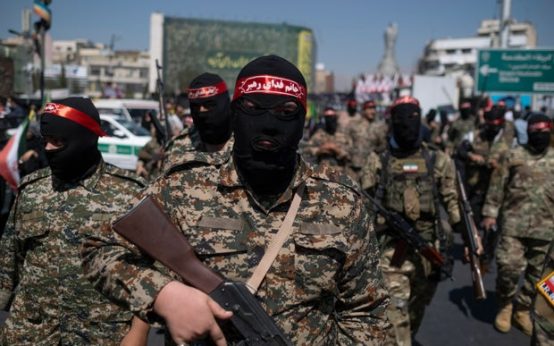 Tensions Escalate in Iran Conflict as Global Leaders Weigh Options