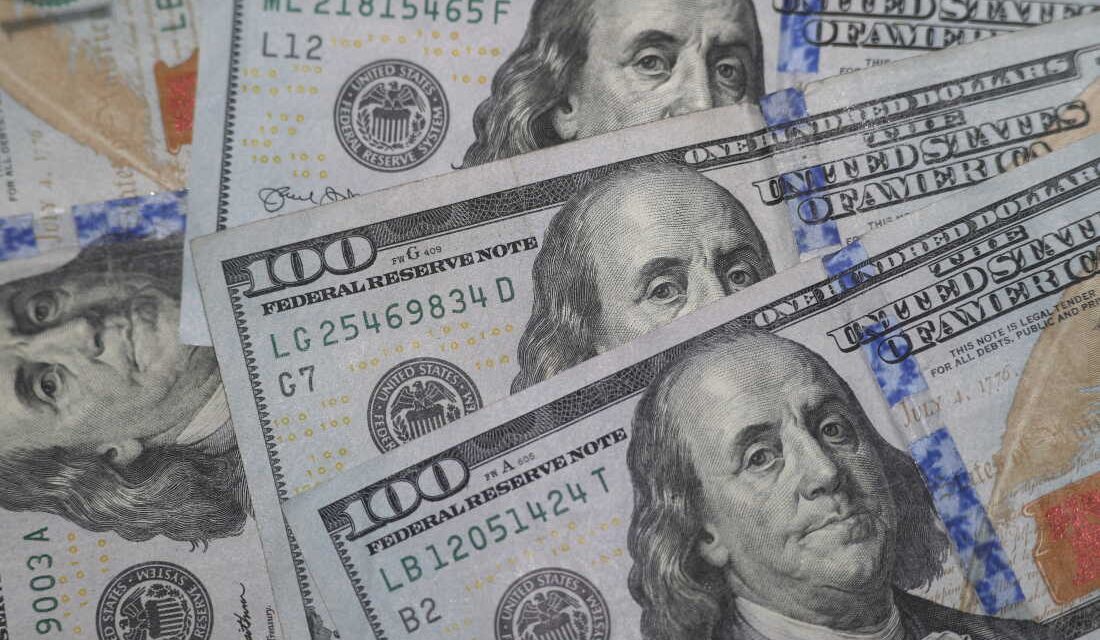
Federal Reserve’s Interest Rate Decision: The Federal Reserve raised interest rates by a quarter percentage point, aiming to slow inflation. This tool is crucial for the Fed to manage economic stability.
The Role of the Federal Reserve: The Fed has two primary responsibilities: maintaining stable prices and promoting maximum employment. These goals often require balancing acts, particularly when inflation and the labor market both signal concerns.
How Does the Fed Influence the Economy? Interest rates are the Federal Reserve’s key instrument. When inflation climbs, the Fed hikes rates, indirectly raising mortgage and credit card costs. This encourages thoughtful spending and slows price increases. Conversely, the Fed lowers rates when prioritizing employment growth.
Recent Actions and Economic Context: Federal Reserve Chair Kevin Warsh emphasized that inflation has remained above the target for an extended period, necessitating action. Despite the rate hike’s modest size, borrowing costs are increasing, with mortgage rates nearing 7%, impacting home buyers.
Implications for Borrowers: Higher interest rates have broad effects, such as increasing credit card balance costs slightly. While the immediate impact may be minor, the cumulative effect weighs on households already burdened by high living costs.
Future Economic Outlook: The effectiveness of the Fed’s rate increase will depend on various factors, including external influences such as geopolitical events affecting energy prices. The Fed hinted at potentially raising rates again before stabilizing them in the coming years.
Overall, while the intention is to curb inflation, the process is slow. Relief from high prices may not be immediate, demanding patience from households.
 Gas Prices and Political Impact: A Closer Look
 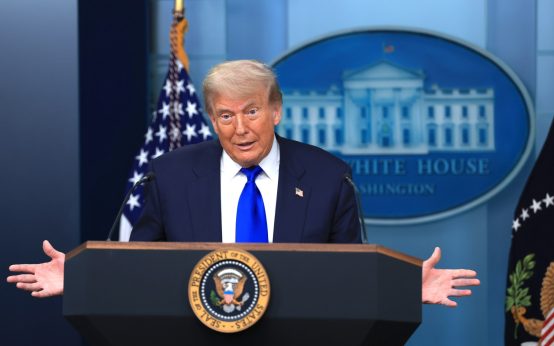 Trump Criticizes Supreme Court Decisions on Tariffs and Citizenship
  Upcoming Events in Chicago This Weekend
  Concerns Arise Over SpaceX Facility in Louisiana
  Gary/Chicago International Airport’s New Control Tower Underway
 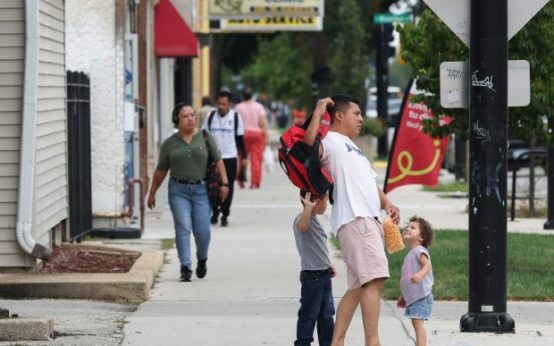 Shifting Latino Demographics in Chicago’s Neighborhoods