
School shooting preparedness drills have become a standard yet unsettling element of returning to school each year. Following the tragic events of the mass shooting at Columbine High School in Jefferson County, Colorado in 1999, schools across the nation have been required to implement various types of preparedness drills.
While lockdown and active shooter simulations are sometimes grouped together under the same category, these practices differ significantly in their approach and execution. Lockdown drills focus on securing students and staff inside the buildings, minimizing visibility and potential danger from external threats. During these drills, individuals are trained to remain quiet and hidden from potential shooters.
Active shooter simulations, on the other hand, involve more dynamic scenarios that aim to simulate an actual shooting event inside the school. Participants engage in more physically active responses such as evacuations, barricading, and sometimes confronting the shooter. These simulations invoke a higher level of stress and fear, as they attempt to replicate real-life situations.
The difference in these practices highlights the complexity of adequately preparing students and staff for such situations, underscoring why they are often seen as uncomfortable yet necessary. With increasing concerns over school safety, these drills aim to ensure that everyone understands how to respond effectively in emergencies.
 Princeton Students Aid UN in Creating Digital Privacy Standards
  Universities Should Reject Political Influence on Research Funding
  Families’ Expectations for University Spending
 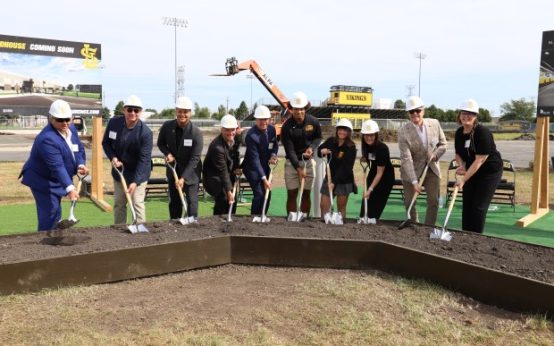 St. Laurence High School’s Transformative Journey
  Interest Grows in High-Earning Non-Degree Careers
  Independence of Research from Political Agendas