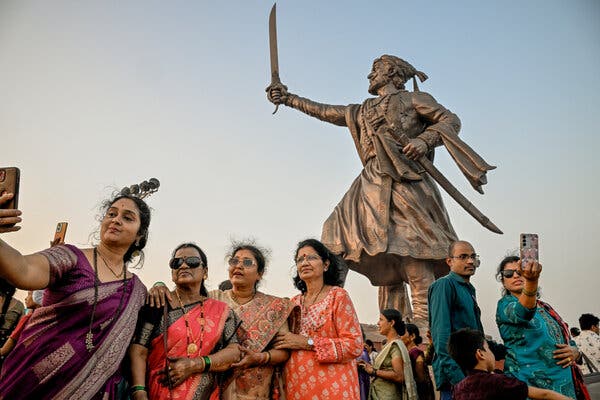
Statues of Shivaji, the founder of the Maratha empire known for his battles against the Mughal dynasty, are gaining prominence throughout India. This 17th-century warrior king has become a symbol for nationalists shaping the nation today.
In January, visitors were seen taking selfies at the Shivaji statue in Malvan, a town in Maharashtra. This reflects the growing fascination with the Hindu warrior in recent years. Anupreeta Das and Suhasini Raj explored this phenomenon by visiting forts and monuments across the country.
On March 20, 2022, a significant event unfolded in Bodhan, South India, when an unauthorized statue of Shivaji, nearly 10 feet tall, appeared at a busy intersection. The police responded quickly as tensions escalated between groups, leading authorities to ban public gatherings to prevent riots.
The person behind this act was Gopi Kishan, associated with an extreme Hindu right-wing group. He had orchestrated the statue’s installation after weeks of planning and a motorcycle convoy. Although his petition to officially erect the statue received informal approval, authorities withheld formal permissions, fearing unrest in the city with a significant Muslim population.
“Had he not fought against the Mughals then, the word Hindu would not have existed today,” stated Mr. Kishan.
Despite the controversy, the Shivaji statue remains as Kishan intended. This has emphasized the ongoing cultural and historical impact of Shivaji as a figure of Hindu nationalism in modern India.
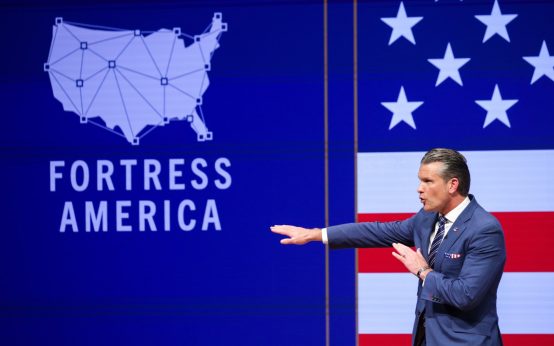 Defense Secretary Unveils Strategic Military Initiatives
 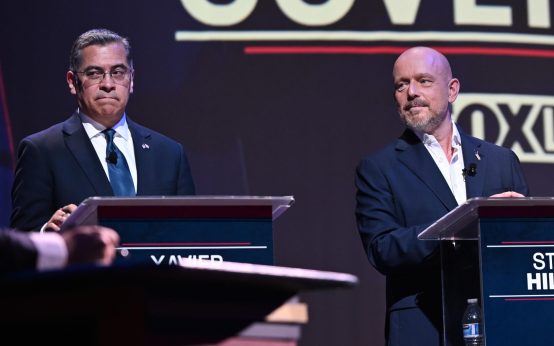 California Gubernatorial Debate: Becerra vs. Hilton
 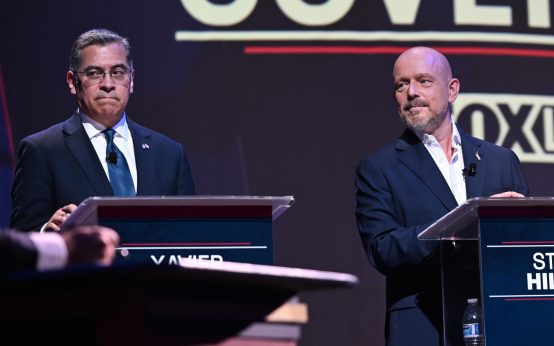 California Gubernatorial Debate: Key Highlights
 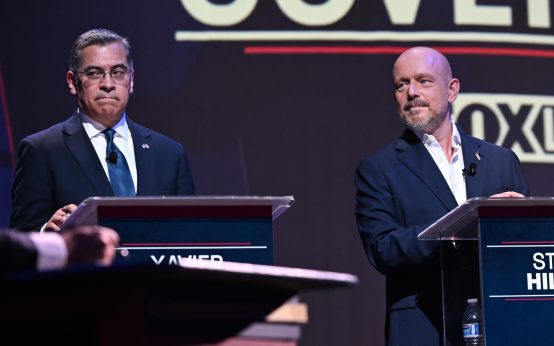 Debate Highlights: Xavier Becerra vs. Steve Hilton
 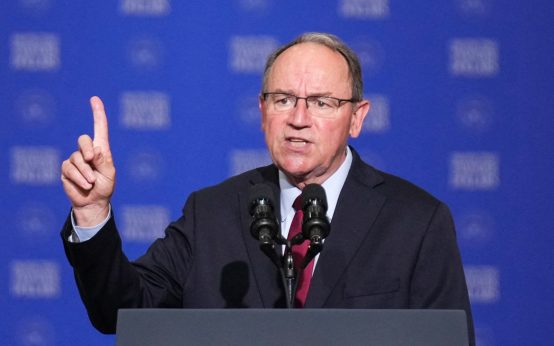 Tiffany and Crowley Neck and Neck in Wisconsin Governor’s Race
 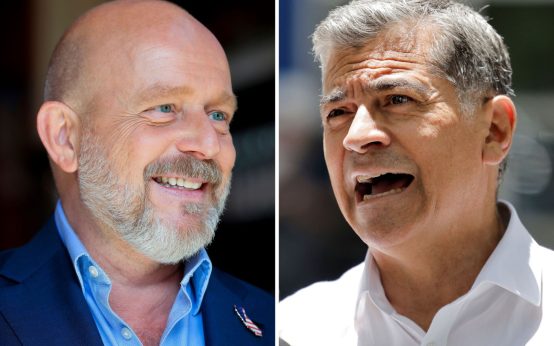 Xavier Becerra and Steve Hilton Face Off in Crucial Debate