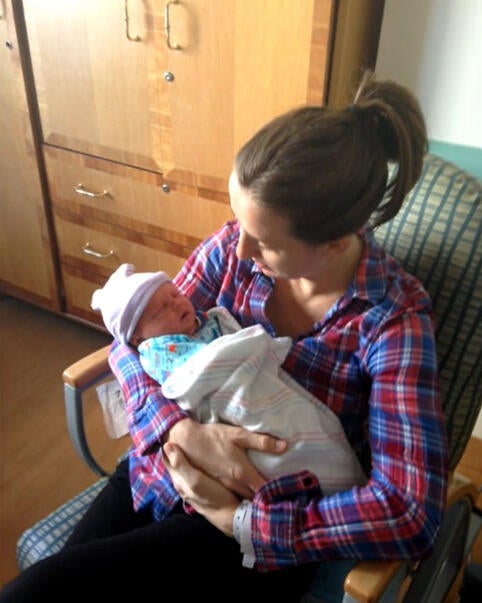
Meghan Cliffel, a working mother from New York City, faced a dramatic shift in her life ten years ago. Following the birth of her second child, she experienced postpartum psychosis. Her symptoms included delusions and terrifying hallucinations, leading to a profound crisis for her family.
Postpartum psychosis, as explained by Dr. Veerle Bergink, a psychiatrist at Mount Sinai’s School for Medicine, differs from postpartum depression. It represents a psychiatric emergency, manifesting within months of childbirth with symptoms such as mania, racing thoughts, and severe depression or delusions.
The condition is considered rare, affecting 1 to 2 women per 1,000 births annually in the U.S., potentially impacting up to 9,000 mothers. Despite its ancient recognition, research and understanding remain limited, with few studies in the U.S.
The trial of Lindsay Clancy, who faced charges after killing her three children during an episode of postpartum psychosis, highlighted the legal challenges in addressing this illness. Opinions differ within the legal system about whether postpartum psychosis should lead to criminal trials or mental health treatment journeys.
Dr. Jennifer Payne, vice chair of research at the University of Virginia School of Medicine, emphasizes the stigma surrounding maternal mental health and calls for more informed legal processes.
Meghan Cliffel, who later had a third child with proactive mental health support, shares her story to demonstrate recovery potential. She advocates for attention and time to heal from this devastating illness, underscoring its legitimacy and the possibility of overcoming it.
Resources are available for those in distress, such as the 988 Suicide & Crisis Lifeline and the National Alliance on Mental Illness HelpLine, offering support and guidance.
 Sienna Bialek’s Passion for Volleyball and Nursing
  Name the New Red Panda Cub at the National Zoo
  Flu Season Hits Early: Importance of Timely Vaccination
  Exploring the Potential of GLP-1 Drugs Beyond Weight Loss
  Veterans to Receive 3.6 Percent Increase in Disability Compensation in 2027
  FDA Issues Class I Recall for Dozens of Salad Products Due to Listeria Risk