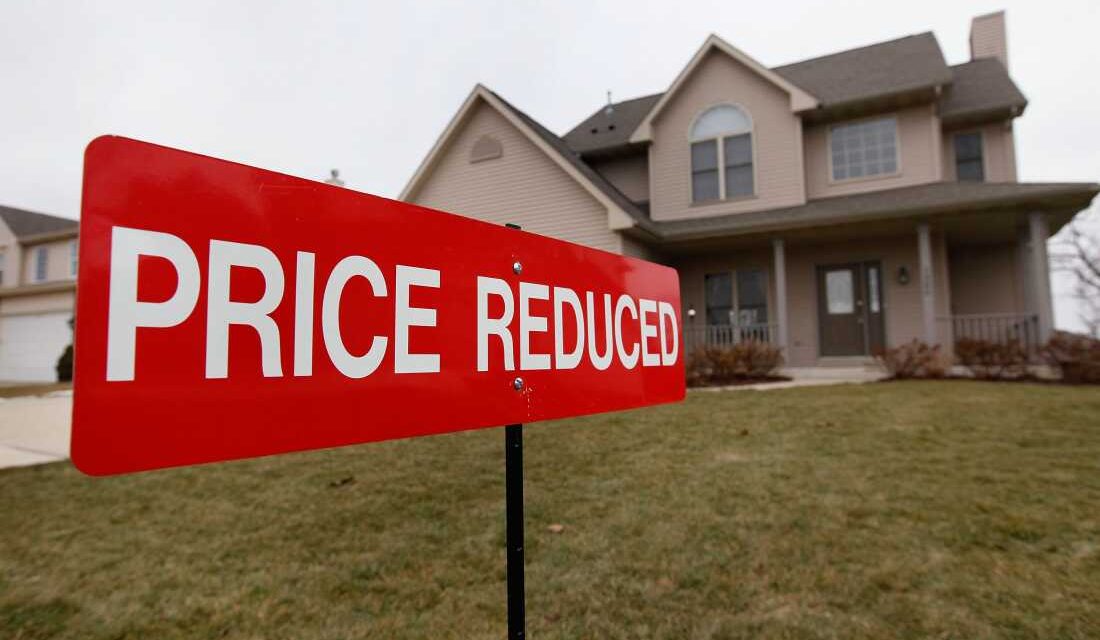
Home prices are trending downward in Denver and across other parts of the United States. Recent data indicates that Denver’s housing prices have decreased significantly, with a drop of over 2% year-over-year according to the S&P Case-Shiller Home Price Index. When considering inflation adjustments, the decrease is even more pronounced.
Rent prices have also seen steep declines. Karl Baumgartner, a 29-year-old internal medicine resident in Denver, shared his excitement about these changes. With lower rent prices, he recently upgraded to a larger apartment with better amenities, an option he previously found unaffordable. He also noted that a friend managed to renegotiate her lease, saving $500 monthly by showcasing similar listings at reduced rates.
As many early-career individuals face substantial debts, Baumgartner and his friends celebrate the relief of decreased housing costs. However, Baumgartner wonders about the broader implications, questioning whether reductions in housing costs indicate potential economic concerns.
“We know that negative inflation is bad for the economy in general. Is negative inflation in the housing market specifically problematic, or does it signal that the market supply aligns better with demand?” Baumgartner asks.
Understanding Economic Impacts
The effects of falling housing prices are multifaceted. Economists highlight potential drawbacks for homeowners and landlords facing decreased revenues. Yet, broader economic repercussions remain uncertain.
Negative Impacts
Falling home prices can indicate economic distress. Detroit experienced a severe decline following its deindustrialization, losing nearly a third of its population between 1990 and 2010. Home values dropped over 80% during the housing bust in the 2000s, leading to more affordable housing driven by economic collapse.
Empty neighborhoods and deteriorating properties became common. House prices were cheaper than cars, reflecting the city’s financial downturn. Economists note how reduced home equity affects homeowner spending, termed the ‘wealth effect.’ Significant falls in home values may push owners into foreclosure, as seen during the 2008 financial crisis.
Eric Zwick from the University of Chicago points to debt as a major factor, recalling how lax lending practices fueled unsustainable debt, resulting in a cascade of defaults and financial system repercussions.
Beyond homeowners, sectors reliant on housing—like construction—and city revenues also suffer from declining property values.
Positive Impacts
Cheaper housing can benefit renters and facilitate economic improvements. High housing costs can deter workers from moving to areas with strong job markets, limiting economic growth. Research from economists Chang-Tai Hsieh and Enrico Moretti highlighted how stringent housing restrictions hinder economic growth by preventing labor movement to high-productivity regions.
Denver showcases economic growth paired with new housing developments, creating more affordable living options. Local advocates believe affordable housing amplifies economic expansion and worker attraction.
Renters benefiting from decreased costs could spend more on other investments, bolstering the economy overall. Economists like Misha Fisher suggest liberated finances promote broader economic engagement.
Lower costs may also encourage families to grow, enhancing community engagement and economic contributions over time.
Assessing the Situation
Evaluating declining housing prices involves understanding causes and measuring impacts. Consider whether price drops result from increased supply or decreased demand. Demand-based declines can indicate deeper issues, while supply-driven reductions may suggest healthier market adjustments.
Land values and price-to-income ratios offer additional insights. Rising land values despite price drops suggest strategic development; a healthy sign. Conversely, declining land values amid economic troubles hint at distress.
Rate and extent of price changes matter too. Gradual adjustments are manageable, while sudden declines pose risks.
In Denver, experts believe the city’s increased housing supply has contributed to falling prices without significant panic. While migration patterns shift, the situation remains stable, limiting economic disruption.
Ultimately, Denver seems to exemplify affordable housing availability without broader distress, providing financial relief and supporting economic activity.
Karl Baumgartner’s story reflects the positive impacts on renters. Others contemplating similar questions can contact Planet Money for further exploration.
 Inland Empire Faces Growing Housing Affordability Issues
  Los Angeles Multifamily Housing Market Challenges and Decline
  Former Chicago Federal Prosecutor Sells Lincoln Park Mansion
  Jevon Carter Sells Chicago Townhome in West Town Neighborhood
  Luxury Home in River Forest with Elegant Features
  Disclosing Neighborhood Rumors: A Decision to Consider