
In 1987, Americans were familiar with VCRs and video rental stores like Blockbuster. Many remember the late fees associated with returning tapes past their due dates. This was also the time of Robert H. Bork, a nominee for the Supreme Court.
The discussions around this period included a specific law designed to protect consumer privacy. This legislation prohibited video rental stores from disclosing information about what their customers rented. The purpose was to safeguard personal viewing habits from being shared without consent.
Fast forward to today, and the landscape is vastly different. The streaming era has changed how people consume media. With platforms like Netflix, Hulu, and Amazon Prime, users stream content directly to their devices. This shift raises questions about how a 1980s law fits into the modern landscape.
The primary concern revolves around privacy. Streaming services collect a considerable amount of data on user preferences and viewing habits. This data is often used to suggest content or improve services. However, it also leads to questions about how protected this information is.
The regulations from the 1980s still aim to guard consumer privacy, even in today’s digital age. Understanding the implications of these rules in the streaming context involves examining how current privacy protections align with the original law’s intent. It also requires a look at how companies handle user data and the transparency of these practices.
 ADL Criticizes Wikipedia Over Unaddressed Biased Edits
  Netflix Faces Challenges Amid Workforce Reductions and New Competition
  China’s Strategic Moves in Additive Manufacturing
  Confusion Surrounds Starlink Restrictions in Ukraine
  Congress Divided Over AI Policies Ahead of Elections
 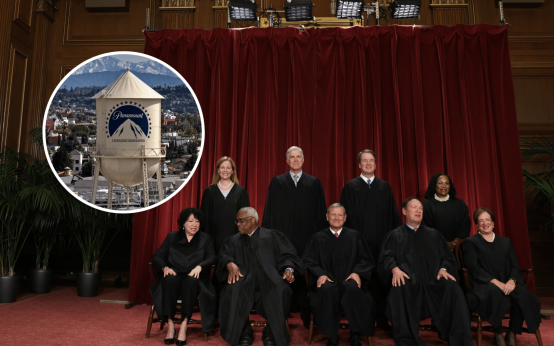 Supreme Court Considers Digital Privacy in Salazar v. Paramount Global