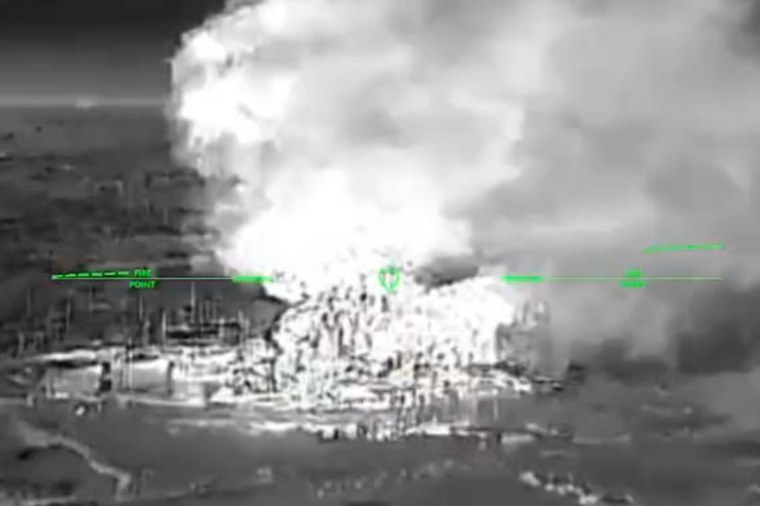
On June 23, 2026, Ukraine’s ongoing drone strikes have significantly impacted the Russia-annexed Crimean Peninsula, causing fuel shortages and power outages. Robert Brovdi, the commander of Ukraine’s Unmanned Systems Forces, expressed that these strikes are leading to a ‘psychological breaking point’ for Moscow. Ukrainian efforts aim to isolate Crimea and target its transport, energy, and tourism sectors.
For weeks, Ukraine has intensified attacks on a crucial highway linking the mainland with Crimea, resulting in a severe fuel crisis. Civilian fuel sales ceased on Sunday, with lines for gas stretching for miles. Brovdi highlighted Ukraine’s strategy of inducing ‘total resource and logistical exhaustion’ in Crimea.
Russian President Vladimir Putin, who has described Crimea as a ‘sacred place,’ annexed the peninsula in 2014. The annexation, largely unrecognized internationally, served as a symbolic victory for Putin. Since then, Crimea has been a military logistics hub for Russia’s operations in southern Ukraine.
The peninsula’s proximity to Ukraine, combined with Ukraine’s advanced drone technology, makes it vulnerable. Ukraine began striking the ‘Novorossiya’ highway, essential for both military and civilian deliveries, intensifying the fuel crisis. As a result, gas allocation now focuses solely on essential services, according to Sergey Aksyonov, Crimea’s Russia-appointed head.
Ukrainian President Volodymyr Zelenskyy confirmed attacks on an oil depot and military facilities in Kerch, Crimea, leading to further exacerbation of fuel shortages and power outages. Authorities attributed the outages to ‘technological disruptions’ rather than drone strikes. Mikhail Razvozhaev, Sevastopol’s Russia-appointed governor, announced streetlights would be turned off, and outdoor events canceled due to the power crisis.
Crimea’s tourism industry, known for its beaches and seas, faces setbacks as Sergey Aksyonov stated that summer camps would cease admitting children. On Ukraine’s side, Brovdi apologized to Ukrainians for challenges caused by the strikes, urging them to avoid military areas.
Brovdi asserted, ‘Crimea will topple Moscow,’ although this view was deemed optimistic by Michael Clarke, a visiting professor at King’s College London. He explained that while Ukraine might not liberate Crimea immediately, the pressure point remains strategically significant for Kyiv.
The situation presents a public relations issue for the Kremlin amid growing internal dissatisfaction with Putin and war fatigue. Kremlin spokesman Dmitry Peskov commented on efforts to ‘minimize the negative consequences’ of Ukraine’s actions and ensure fuel access for residents.
Putin, addressing the crisis indirectly, accused Ukraine of using drone strikes to disrupt Russian society and tasked officials with mitigating impacts. Meanwhile, Russian military bloggers criticized the perceived lack of response from the Kremlin, arguing that Crimea’s isolation proceeds unhindered.
The battlefield remains largely static, with no major breakthroughs. U.S.-led peace efforts have stalled amid conflicts elsewhere. At a recent summit, President Donald Trump aimed to refocus on the Ukraine conflict. Clarke noted that isolating Crimea could serve Kyiv as a leverage point in future negotiations or, without a ceasefire, increase pressure on Putin.
 U.S. Military Expansion in Greenland
  The Autocratic Age: A Closer Look
  Venezuelan Migrant Arrest in Texas Sparks Outrage
  Senator Calls for Halt in Diesel Exports Amid Rising Fuel Costs
  Investigation into Far-Left Groups Organizing Protests
  Deadly Dispute Over Beach Chairs in Greece