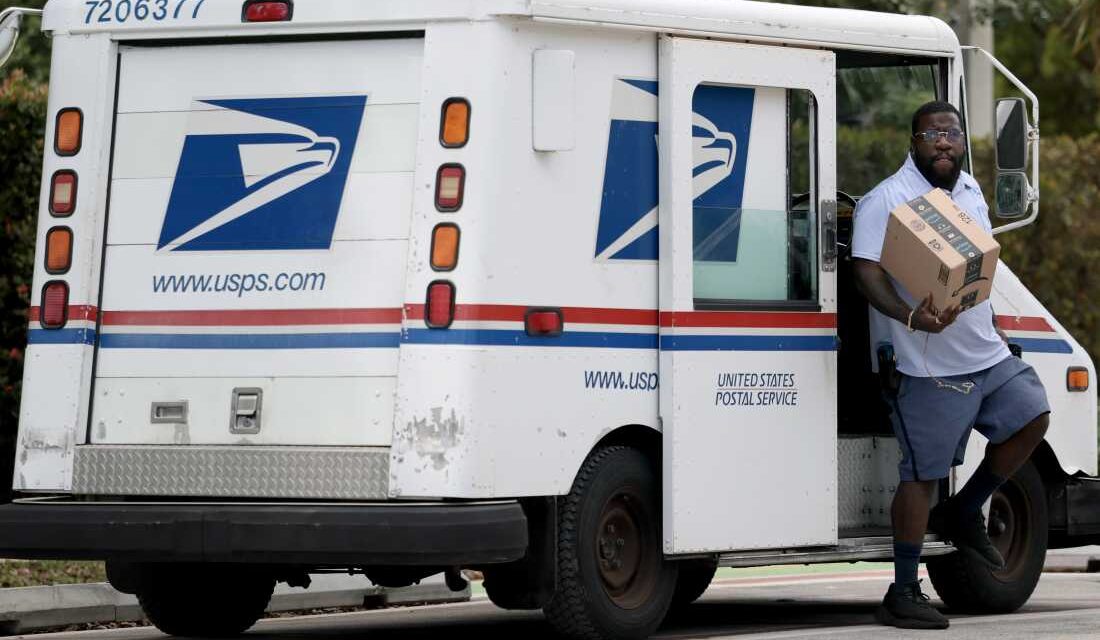
The U.S. Postal Service (USPS) is facing significant financial challenges, despite temporarily staving off an immediate crisis. Postmaster General David Steiner informed Congress that the USPS is no longer in immediate danger of running out of funds and stopping mail deliveries next year. This development emerged as a result of pausing payments to worker retirement funds. However, the agency still contends with decreased mail volume and a looming cash shortfall predicted between 2031 and 2034.
Financial Strategies and Challenges
To stay afloat, USPS has taken measures such as cutting down on non-essential spending and engaging in a multi-year contract with DHL eCommerce to handle package deliveries. Temporary price hikes, which included an 8% increase starting in late April to offset rising fuel costs, have been in place. These are set to expire in mid-January. A permanent 5% rise in the cost of a first-class ‘forever’ stamp, bringing it to 82 cents, will commence on July 12, marking the eighth hike in five years.
The Postal Regulatory Commission has also granted a financial reprieve by suspending the requirement for minimum retirement payments through 2030, offering USPS some ‘breathing room.’ Despite these efforts, USPS reported a $2 billion net loss for the second quarter of the fiscal year and a $9 billion loss the previous year.
Calls for Congressional Action
Steiner has urged Congress to revise laws to allow USPS to borrow more money and reform retirement plans. He emphasized the need for discussions to address the ‘broken business model’ of USPS. Some lawmakers are requesting detailed financial projections from Steiner to understand how proposed changes could affect USPS’s long-term financial health.
Political Controversies
USPS is also embroiled in political controversies, particularly concerning roles it may play in the 2030 census and upcoming elections. Under the Trump administration, USPS workers commenced field tests for the 2030 census in certain areas, a move questioned for its cost-effectiveness. Additionally, Trump’s executive order aimed at curbing mail-in voting has led USPS to propose a regulation based on state electoral data. This has sparked legal challenges and opposition from various states and groups.
The role of USPS in implementing mail-in voting policies has been criticized by several lawmakers and leaders who argue that election rules should be determined by state legislatures and Congress rather than the president. During Senate confirmation hearings, USPS governor nominees shared their views on the agency’s role in elections, indicating a preference for courts and Congress to make decisions on voting procedures.
 Senator Criticizes Drug Policy After Ohio Tragedy
  Israeli Leader’s Upcoming U.N. Assembly Speech Marked by Controversy
  Republicans Call for Quick Resolution to Iran Conflict
  United States Secures Arctic Defense Pact
  Senator Warren Seeks to Restrict Private Equity in Restaurant Chains
  Marco Rubio’s Expanding Role in Trump Administration