
The U.S. government aims to reduce global health funding for developing countries significantly by 2030. This strategy is reportedly in line with the administration’s efforts to encourage these nations to increase their health-related spending. The focus of the cuts includes initiatives addressing the spread of deadly illnesses.
An analysis has revealed that U.S. officials have already engaged in private negotiations with over a dozen governments. These agreements, kept under wraps until now, outline substantial funding reductions amounting to tens of billions of dollars.
Medical staff at a hospital unit in Goma, Democratic Republic of Congo, in May 2026, were seen handling suspected cases of Ebola. (Photo by Jospin Mwisha/AFP/Getty Images)
Such drastic cuts have raised concerns among global health experts. These programs play a crucial role in combating epidemics such as Ebola and other deadly diseases. Ensuring adequate funding is vital for the continuation of successful health interventions worldwide.
The proposed funding decrease coincides with a broader diplomatic initiative by the administration. By pursuing these reductions, the goal is to pressure developing countries to invest more heavily in their health sectors.
As the situation unfolds, the implications of these funding cuts remain a point of discussion among policymakers and health professionals. The potential impact on global health infrastructure could be significant if developing nations cannot accommodate the projected shortfall.
 American Public Opinion on Press Freedom
  Media Lawsuit Against Trump Administration for White House Ban
  The Cost of Challenging Beijing
 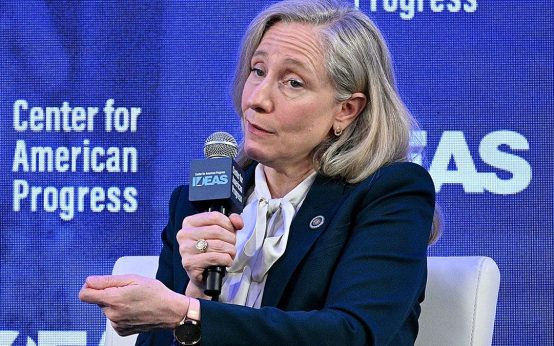 Analyzing Midterm Elections and Party Dynamics
 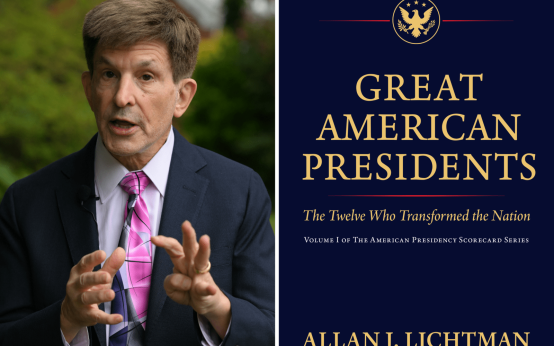 Allan Lichtman’s Framework for Assessing Presidential Greatness
 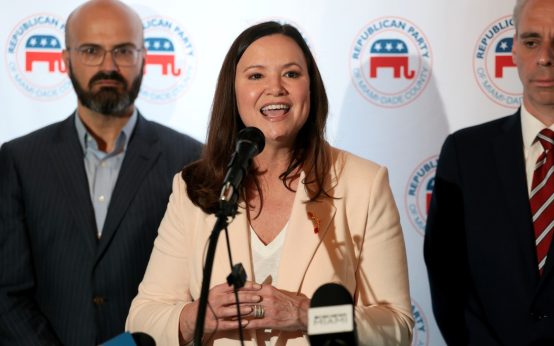 Florida Senate Race Tightens as Recent Polls Show Dead Heat