
Continued Talks Between U.S. and Iran
Negotiations between the United States and Iran are ongoing, as both sides temper expectations for an immediate resolution. A senior U.S. official has indicated that finalizing an agreement to end the conflict may take several days.
The discussions portray contrasting views from American and Iranian officials, which raises doubts about the feasibility of reaching a comprehensive deal. The deal could potentially reopen the Strait of Hormuz—a crucial route for oil and gas shipments in the Persian Gulf—which is currently under Iranian control.
President Trump aims to conclude the U.S.-Israeli campaign against Iran, which would allow him to withdraw from a widely unpopular war that has negatively impacted the global economy. However, tough issues like Iran’s nuclear program remain for future discussions.
Potential Framework Agreement
On Monday, President Trump stated via social media that any agreement would be “great and meaningful” or “there will be no deal” in response to criticisms from Republicans about the proposal being too lenient on Iran.
Iran’s foreign ministry spokesman, Esmail Baghaei, affirmed that nuclear program details are off the table for now. Nevertheless, the U.S. official noted Iran might agree in principle to relinquish its enriched uranium stockpiles capable of generating nuclear weapons.
Market and Political Reactions
Oil prices dropped significantly by over 5% to approximately $95 per barrel following these developments. However, resuming normal oil flows from the Middle East might take months, as current oil prices are still roughly 30% higher than pre-conflict levels.
Israel expressed concern about the deal’s ability to contain Iran’s nuclear capabilities. Lebanese conflict dynamics, including U.S.-Iran negotiations, aren’t clearly addressed. Meanwhile, Pakistan’s diplomatic efforts between the U.S. and Iran received praise from China.
Prospects for Agreement
Iran and the U.S. have reached common understanding on many subjects, yet formalizing a peace agreement is not imminent. Both sides described the negotiation focus on ending the war rather than nuclear issues. Reopening the Strait of Hormuz, an essential passage for oil and gas, is crucial, although details haven’t been discussed.
Challenges in Concluding Iran-U.S. Peace Deal
The U.S.-Iran negotiations on a peace deal remain incomplete. President Trump has publicly emphasized seriousness in achieving a ‘good and proper’ deal. Despite these assertions, specifics of the deal are unresolved regarding nuclear enrichment and missile stockpiles.
Implications of Abraham Accords in Middle East Negotiations
The Abraham Accords fostered normalization between Israel and Arab states, indicating potential pathways for broader regional diplomacy. Although Trump desires more countries to join, including Iran, the accords do not resolve Israeli-Palestinian conflicts. Whether more nations, particularly Saudi Arabia, join remains uncertain.
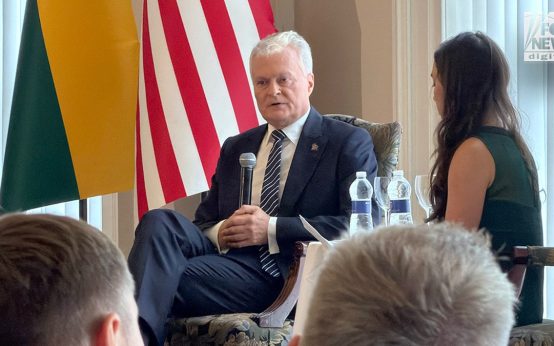 Lithuanian President Urges U.S. to Maintain Military Presence Amid NATO Challenges
 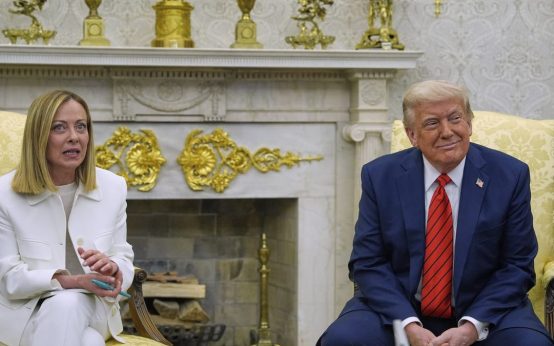 Italian PM Giorgia Meloni Skips UN General Assembly Amid U.S. Tensions
 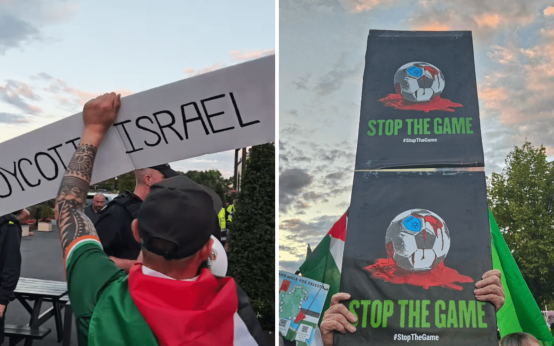 Ireland Faces Calls to Boycott Matches Against Israel
  Social Media Influencer Faces Serious Charges
 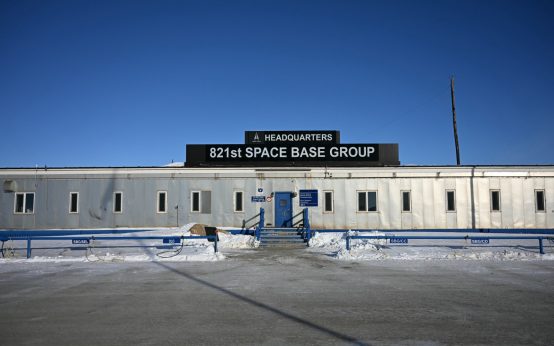 U.S. Military Expansion in Greenland
  The Autocratic Age: A Closer Look