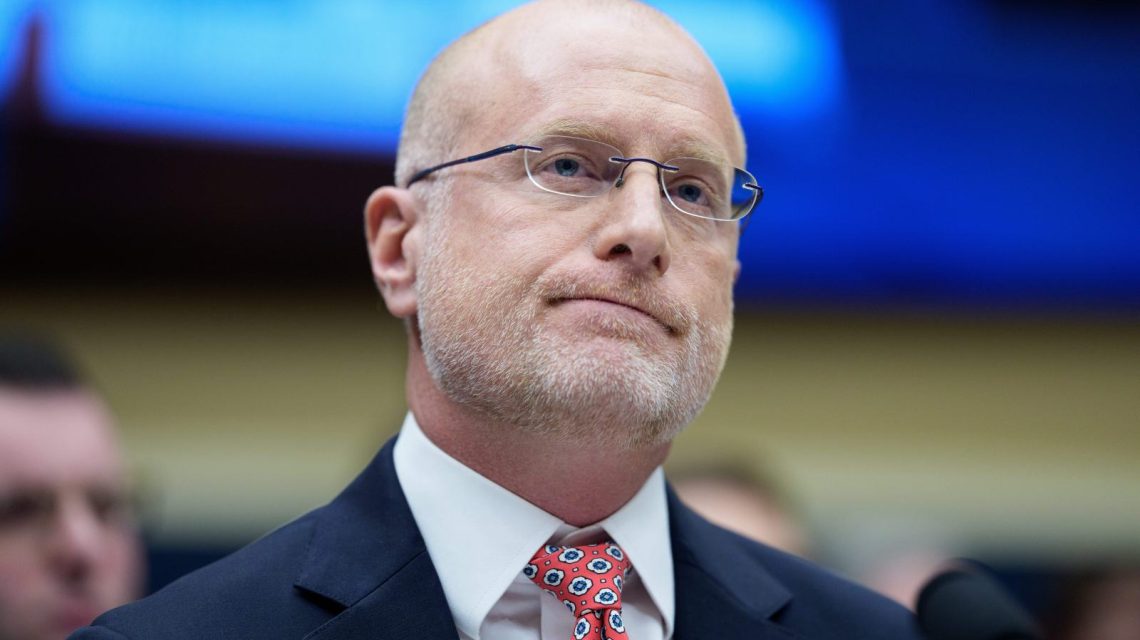
Federal Communications Commission (FCC) Chairman Brendan Carr defended his agency’s vigilance over television broadcasters. His comments follow U.S. Supreme Court Justice Neil Gorsuch citing Carr’s remarks about a late-night TV host as an example of the extensive powers wielded by independent federal agencies.
This discussion comes on the heels of a Supreme Court decision in Trump v. Slaughter, expanding presidential control over independent agencies. The Court’s 6-3 ruling granted President Donald Trump the authority to remove Federal Trade Commission (FTC) commissioners. Gorsuch’s opinion noted concerns about increased presidential influence over legislative and judicial functions.
Gorsuch’s Concerns
Justice Gorsuch’s opinion drew attention because it highlighted the FCC’s broad regulatory powers. He shared examples of agencies’ influences, such as the Securities and Exchange Commission’s climate regulations and the FTC’s proposed ban on noncompete agreements.
“Last year, objecting to a network host’s remarks, the FCC Chairman suggested more work ahead for the agency if broadcasters didn’t act.” Gorsuch pointed out, referencing Carr’s comments on The Benny Show about Jimmy Kimmel, without naming him directly.
Carr’s Defense
Carr reiterated the FCC’s commitment to scrutinizing broadcaster licenses. On Real America’s Voice, he stated that broadcaster licenses are not untouchable.
“The FCC hasn’t engaged with broadcasters for decades on this matter,” Carr remarked. “If your license can never be revoked, it becomes property, not a license.”
Carr emphasized that decisions on current proceedings remain open. He stressed the importance of not assuming immunity from regulatory review.
Ongoing FCC Investigations
The FCC is involved in disputes with ABC, owned by Disney. It questions whether The View qualifies as news under FCC rules and examines Disney’s diversity policies. Carr also seeks early review of ABC-owned stations, focusing on corporate policy impacts rather than criticism of Kimmel.
These reviews attracted attention following Trump’s criticisms of Kimmel online.
Broader Constitutional Implications
Gorsuch highlighted potential risks from the Court’s decision, suggesting it leaves unresolved constitutional issues. He warned of the President’s potential to wield legislative and judicial powers through independent agencies.
He outlined scenarios where businesses out of political favor may face coordinated actions from agencies answerable to the White House.
“How might a business fend off an FCC probe if an FTC rule or an OSHA adjudication follows?” Gorsuch asked.
He concluded that the ruling starts a broader debate on whether Congress should reevaluate the powers exercised by agencies.
 A Mother’s Tragic Journey Under Abortion Ban
  U.S. Strategic Goals Remain Unmet Amid Prolonged Conflict
  The Impact of Arts and Closure on Democracy
 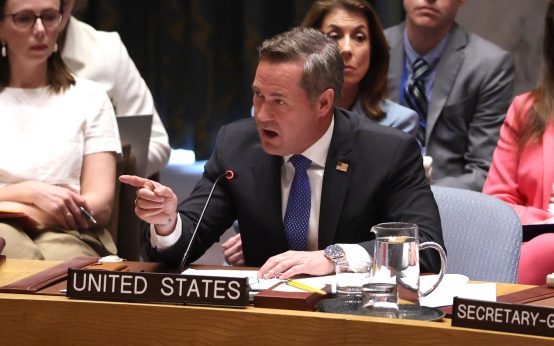 U.S. Ambassador Comments on Iran War Duration Amid Political Concerns
 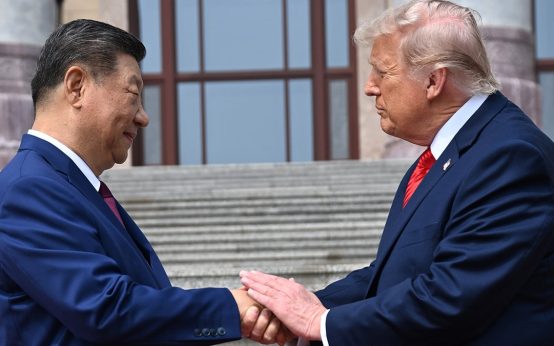 US-China Relations Under Scrutiny: Expert Warns of Escalating Tensions
  No Timeline for End of Iran Conflict