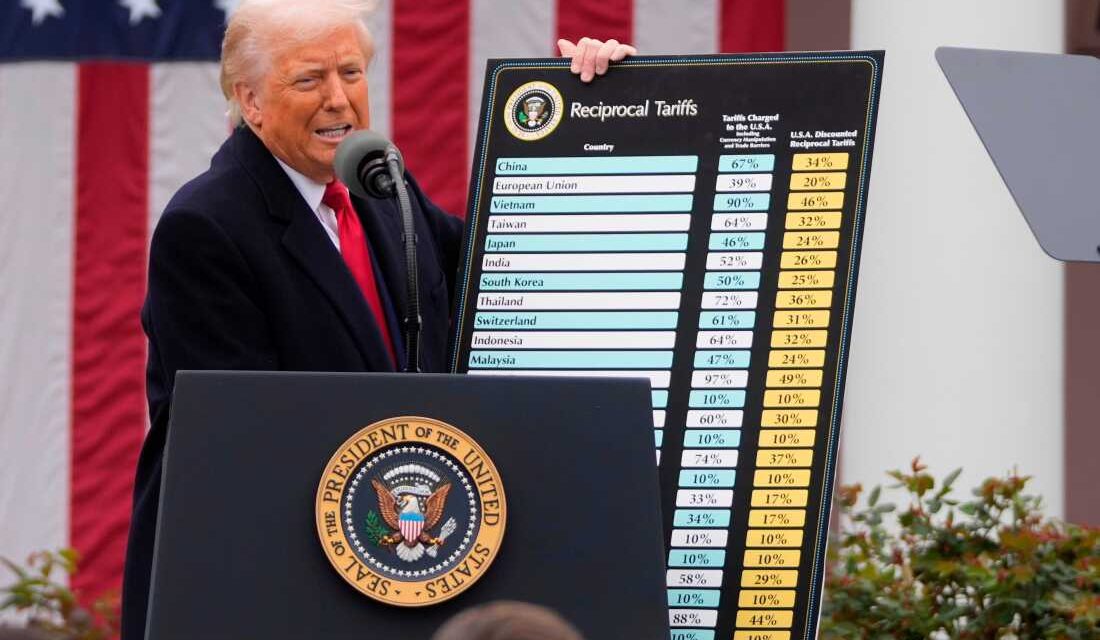
President Donald Trump announced the implementation of new tariffs on numerous U.S. trading partners. These double-digit tariffs apply to imports from 60 countries, representing 99% of U.S. imports. The move follows the expiration of temporary levies and comes after a Supreme Court decision nullified previous major tariffs.
Forced Labor Concerns
The Trump administration argues that these tariffs, ranging from 10% to 12.5%, aim to address inadequate enforcement of bans on goods produced by forced labor. The U.S. Trade Representative, Jamieson Greer, emphasized the need for trading partners to enforce import bans to improve workers’ welfare globally. The new tariffs replace temporary 10% worldwide tariffs, which expire on Friday.
Legal Framework
These tariffs are enacted under Section 301 of the Trade Act of 1974. This section allows the president to impose trade sanctions on countries engaged in unjustifiable or unreasonable trade practices. Section 301 was previously used to impose tariffs on China, which survived legal challenges. A U.S. investigation into 16 countries’ trade practices may lead to further tariffs.
Historical Context
Trump’s tariff policies mark a shift from previous U.S. trade practices favoring lower tariffs. Last year, invoking the International Emergency Economic Powers Act (IEEPA), Trump imposed tariffs citing national security concerns. However, the Supreme Court ruled that IEEPA did not authorize such tariffs, resulting in refunds to importers.
Exemptions and Adjustments
Certain exemptions exist for the new tariffs, including essential goods like oil and gas. Some countries have increased their forced labor enforcement, resulting in reduced tariffs. Imports from India, for example, will face a 10% tariff instead of the initially proposed 12.5%.
Economic and Political Implications
Imported products’ costs and consumer prices may increase due to these tariffs. This comes amid existing concerns about the high cost of living and may impact the administration politically ahead of the midterm elections.
Human Rights Perspective
Human rights advocates acknowledge the tariffs’ potential impact on forced labor issues. However, they caution that tariffs alone may not solve the problem. The International Labor Organization (ILO) reported approximately 27.6 million people were engaged in forced labor in 2021. The Uyghur Forced Labor Prevention Act previously highlighted forced labor concerns, particularly in China’s Xinjiang region.
Martina Vandenberg of The Human Trafficking Legal Center supported phased tariff implementations to give countries time for compliance. Kenya Davis of Boies Schiller Flexner and Isabelle Glimcher from NYU Stern Center for Human Rights share concerns about the tariffs’ effectiveness and call for comprehensive enforcement approaches.
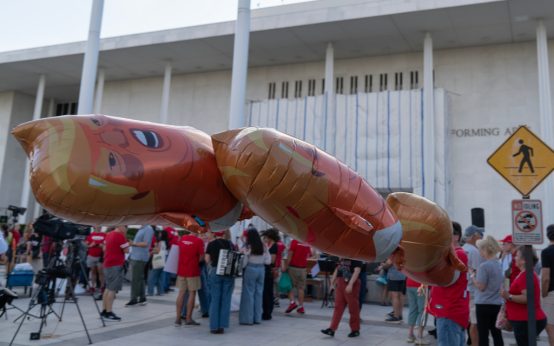 Trump Administration Sparks Outrage by Threatening Kennedy Center Closure
 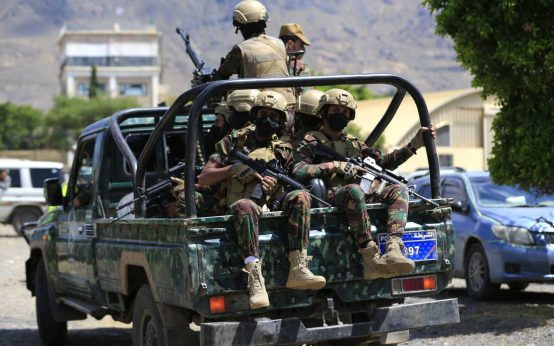 Crisis in Yemen Amid Renewed Conflict
  Fishing Expedition Uncovers US Military Drone in Gulf Waters
 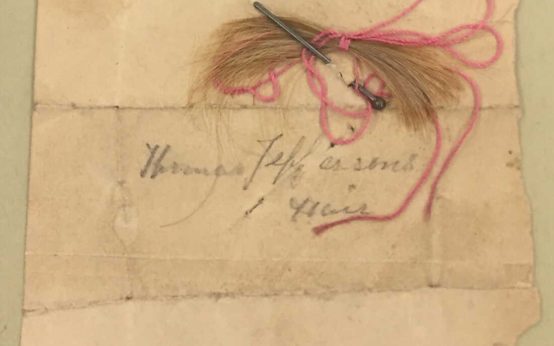 DNA Investigation Confirms Thomas Jefferson’s Lineage
  Hurricane Polo Threatens Catastrophic Impact on Mexico’s Coast
  Laura Loomer’s Predictions and Poll Insights on Midterm Elections