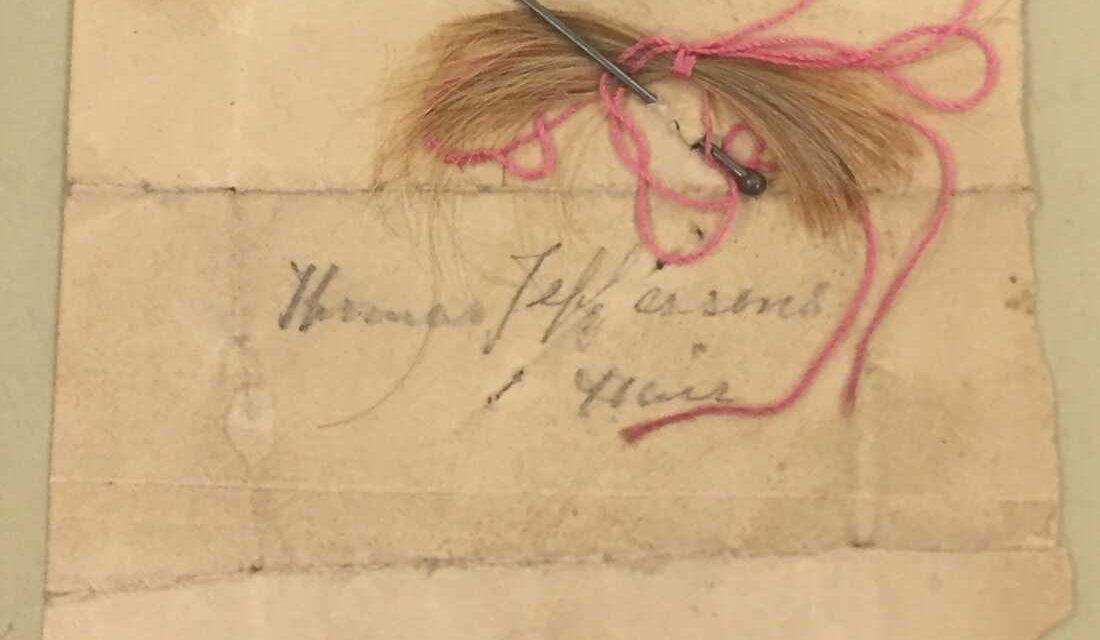
For over two centuries, the question of Thomas Jefferson fathering children with Sally Hemings, whom he enslaved, has sparked extensive debate. This issue challenges Jefferson’s legacy, especially considering his famous assertion from the Declaration of Independence, “All men are created equal.” Richard Kurin, a scholar and ambassador-at-large for the Smithsonian Institution, spent 15 years seeking Jefferson’s DNA to resolve this paternity question.
The quest began with hair strands found in Jefferson’s Bible. Kurin’s research involved scientists, archaeologists, genealogists, and experts, as well as the descendants of Jefferson and Hemings. Kurin shares the investigation’s details and scientific analysis in his book, History by a Hair.
Historical Context and Debate
As principal author of the Declaration of Independence, Jefferson faced allegations of fathering children with Hemings as early as the late 1700s. These claims have fueled discussions among family, biographers, and historians. In the 1990s, pathologist Eugene Foster analyzed Y chromosome markers, concluding Jefferson likely fathered Hemings’ children. However, this led to debates, with critics suggesting the possibility of other Jefferson male relatives being the fathers.
Beyond science, the nature of Jefferson’s relationship with Hemings remains contested. Kurin notes that some view it as coercive, given Hemings’ enslaved status, while others perceive her as having substantial agency.
New DNA Evidence
Kurin’s team ultimately found Jefferson’s hair at Monticello, confirming its authenticity as a DNA source. Analysis revealed that Madison and Eston Hemings, Sally Hemings’ sons, had significant Jefferson DNA. This finding surpassed expectations, suggesting Hemings descendants had even more Jefferson DNA than known Jefferson descendants.
Kurin confirmed Jefferson’s paternity through DNA evidence. Yet, tracing Sally Hemings’ other two surviving children, Harriet and Beverly, proved elusive as they passed as white and left no known descendants. Kurin aims to make Jefferson’s genome public to help trace familial connections.
As ongoing research seeks publication, Kurin believes this could rediscover obscured heritage, indicating the story continues.
 Benito Juarez Community Academy Students Celebrate Día de los Muertos Through Art
  Laura Loomer’s Predictions and Poll Insights on Midterm Elections
  Navigating Relationships with Inconsistent Communication
 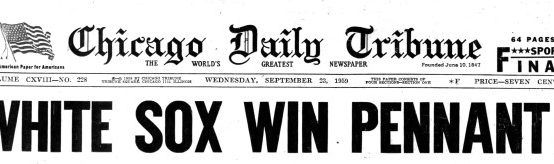 Historical Highlights of September 22 in Chicago
  Voter Sentiment Against President Rises in Recent Poll
  Media Backlash Against Trump’s Press Exclusions