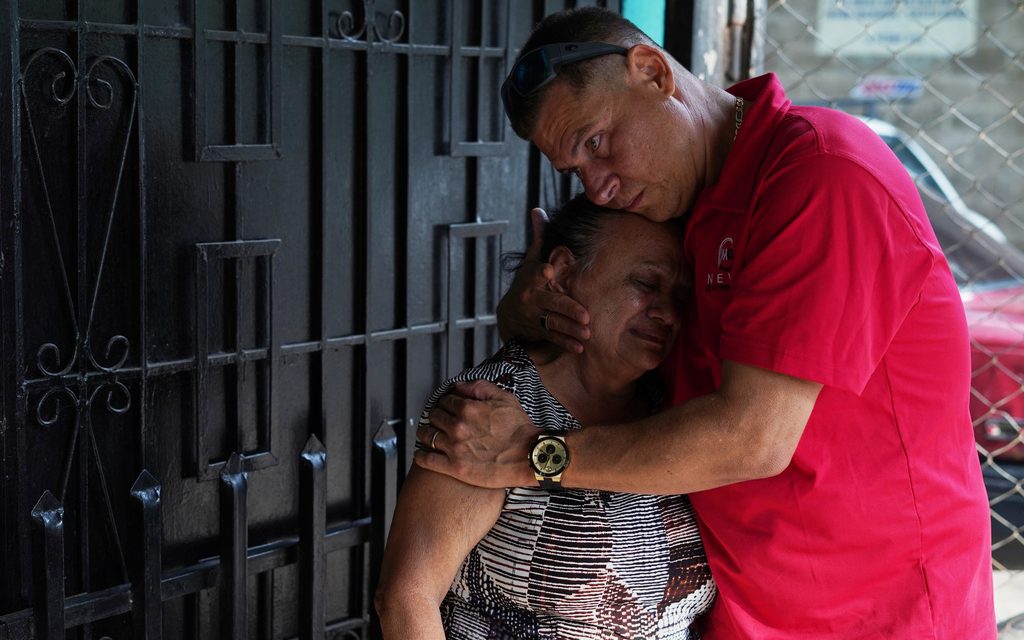
Salvadoran journalist Mario Guevara was deported from the United States and arrived in Apopa, El Salvador, on October 3, 2025. His deportation highlights the increasing challenges faced by foreign journalists in the U.S., particularly in light of the new regulation introduced by the Department of Homeland Security in July 2026.
This rule significantly limits foreign reporters’ ability to work independently in the U.S. and is set to take effect in 60 days. The implications of the regulation are vast, impacting journalists’ work and safety.
Impacts of the New Regulation
The regulation reduces the validity of journalist visas, or I-visas, to eight months. Previously, they offered indefinite terms, giving journalists stability. The need to reapply every eight months creates uncertainty, as there’s no defined review criteria.
This is part of a broader effort to limit press freedoms, including legal actions against media outlets for unfavorable coverage and restricted access to information. Moreover, recent examples like lawsuits against outlets and subpoenas for reporters show increasing tensions.
Critically, nearly all of the 22,000 comments received by the Department of Homeland Security opposed the regulation. Organizations like the Writers Guild of America East highlight bureaucratic obstacles that allow the government to favor certain journalists, effectively leading to censorship.
Previous Incidents of Retaliation
The risk of retaliation is not theoretical. Mario Guevara and journalist Estefany Maria Rodriguez Florez faced arrest after reporting on controversial topics. Such actions contradict the First Amendment, which protects both citizens and noncitizens in their expression.
Additionally, NewsGuild-CWA warns that this regulation might provoke reciprocal actions against American journalists abroad, mirroring past instances with China and Russia retaliating based on similar restrictions.
Press Freedom Under Siege
The current climate of distrust towards the press poses dangerous consequences, as highlighted by Reporters Without Borders. Last year, 67 journalists were killed, 503 detained, 135 went missing, and 20 were held hostage worldwide.
Maintaining fair visa procedures is vital for reciprocal treatment of journalists globally. However, the regulation overlooks these concerns.
Urgent Call to Action for Congress
Congress is urged to act. Officials should leverage their authority to review and halt the regulation. Furthermore, legislation to safeguard press freedom must be initiated, expanding protections for journalists.
The International Press Freedom Act of 2021, co-sponsored by Senators Tim Kaine and Lindsey Graham, aimed to extend I-visa protections. Although referred to the Judiciary Committee, progress halted.
The burgeoning threat to press freedom is serious. As the world faces increasing restrictions, the U.S. risks being seen as repressive. Congress must act to uphold press freedom and its foundational role in democracy.
Margy O’Herron, affiliated with Cornell’s Migration and Human Rights Program, and Dan Berger, from Green and Spiegel LLC, emphasize the urgent need for action to safeguard the fundamental values that underpin a free press.
 Gorillaz and Macklemore Respond to Controversy Over Israel-Palestine Statements
 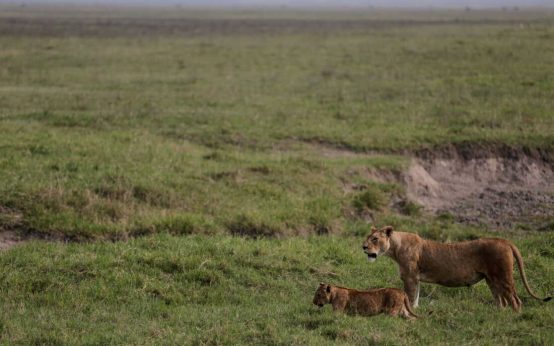 Investigation into Lion Deaths in Tanzania
 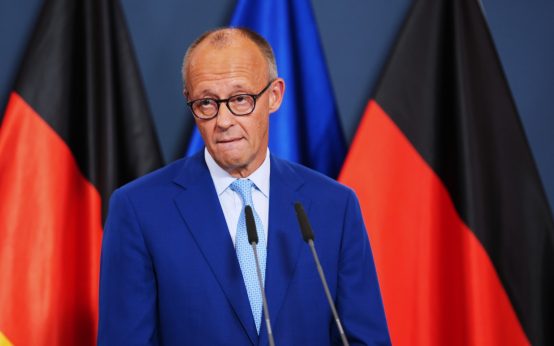 Merz Stays Resolute Amid Electoral Shifts in Germany
  The Impact of Arts and Closure on Democracy
 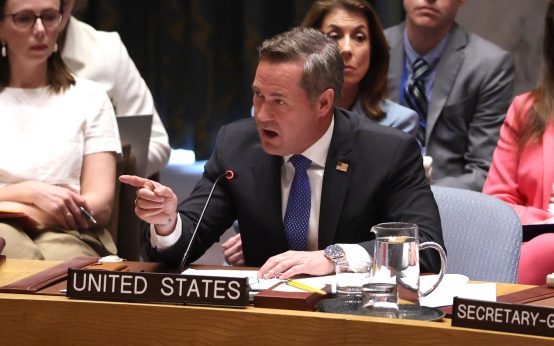 U.S. Ambassador Comments on Iran War Duration Amid Political Concerns
  U.S.-Iran Relations and Diplomacy at Upcoming U.N. Assembly