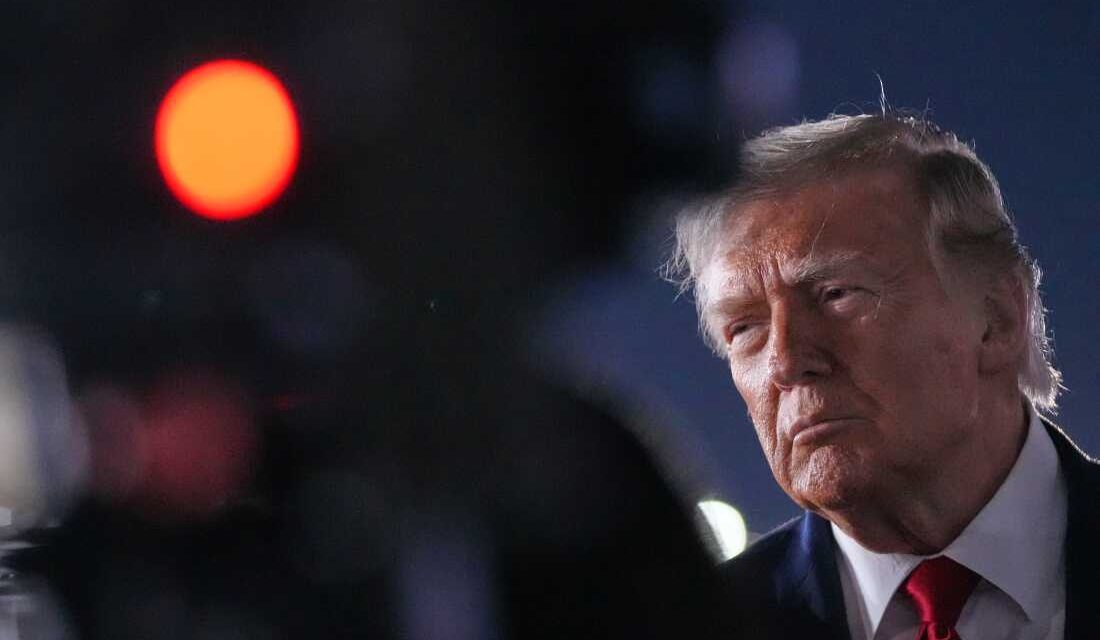
A U.S. Army Apache attack helicopter has crashed near the strategic Strait of Hormuz. President Donald Trump confirmed that both crew members onboard were unharmed following the incident. The crash adds to ongoing tensions in a region heavily influenced by Iranian control.
The reason for the helicopter incident remains unknown as of Tuesday morning. The crash followed significant hostilities between Iran and Israel, marking a major escalation in their ongoing conflict. Iranian state media acknowledged the crash but provided limited information.
Since February 28, when the U.S. and Israel initiated strikes against Iran, the conflict has had pronounced global repercussions. Rising energy costs and increased food prices have become pressing issues. Efforts to convert the April ceasefire into a lasting peace agreement have not yet succeeded.
After attending the NBA Finals in New York, Trump addressed reporters about the helicopter crash. He reassured the public, saying, “The pilots are fine. Nobody injured. We will release a report tomorrow.” The initial report of the crash near the strait came from The New York Times, with further commentary yet to be provided by U.S. Central Command or the Defense Department.
Apache helicopters play a crucial role in U.S. military operations. They are part of efforts to enforce a blockade on Iranian oil, pressuring Tehran into negotiating. The United Arab Emirates has also used these helicopters against Iranian drones during the conflict.
Trump’s Optimism for an Iran Deal
President Trump voiced optimism regarding potential negotiations with Iran. He expressed hope for reaching a deal within a few days but did not disclose specific reasons for this optimism. Trump emphasized the effectiveness of maintaining military pressure while seeking diplomatic solutions. He stated, “We’re very close to having a strong deal.” He highlighted the consequences of further conflict by saying, “If we bomb, they’ll have nothing left, but the strait could be closed for months.”
The ongoing conflict sees mediators, led mainly by Pakistan, striving to secure an agreement. The U.S. demands Iran relinquish its stockpile of enriched uranium, reportedly buried in the country following U.S. airstrikes in 2025. Iran, in turn, demands sanction relief and the release of frozen assets before any final agreement, conditions unaccepted by President Trump.
 Court Rules Against Third-Country Deportation Policy
  Claims to Nazi-Looted Art Spark Legal Battle in California
 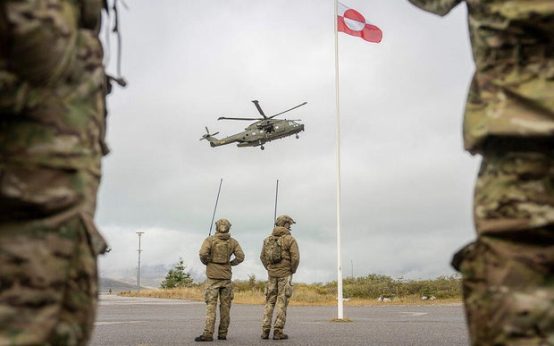 U.S. Secures Strategic Control Over Greenland
  U.S. and Denmark Move Towards Security Agreement Over Greenland
 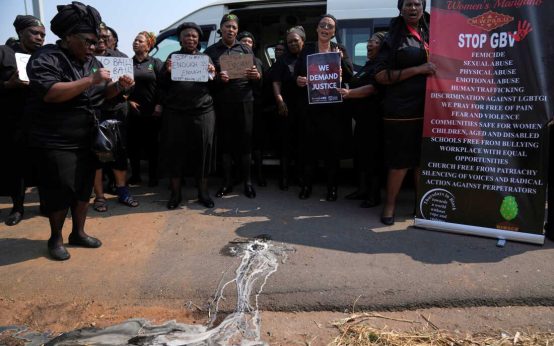 Rising Concern Over Gender-Based Violence in South Africa
 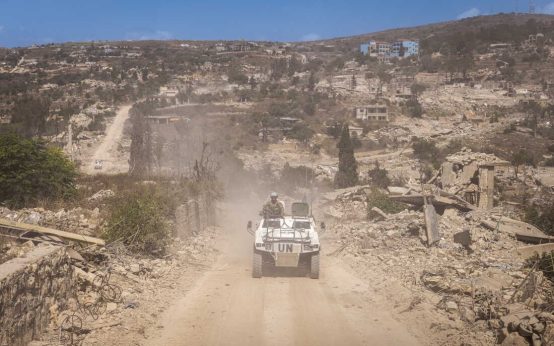 UNIFIL’s Final Patrol in Southern Lebanon Amid Changing Borders