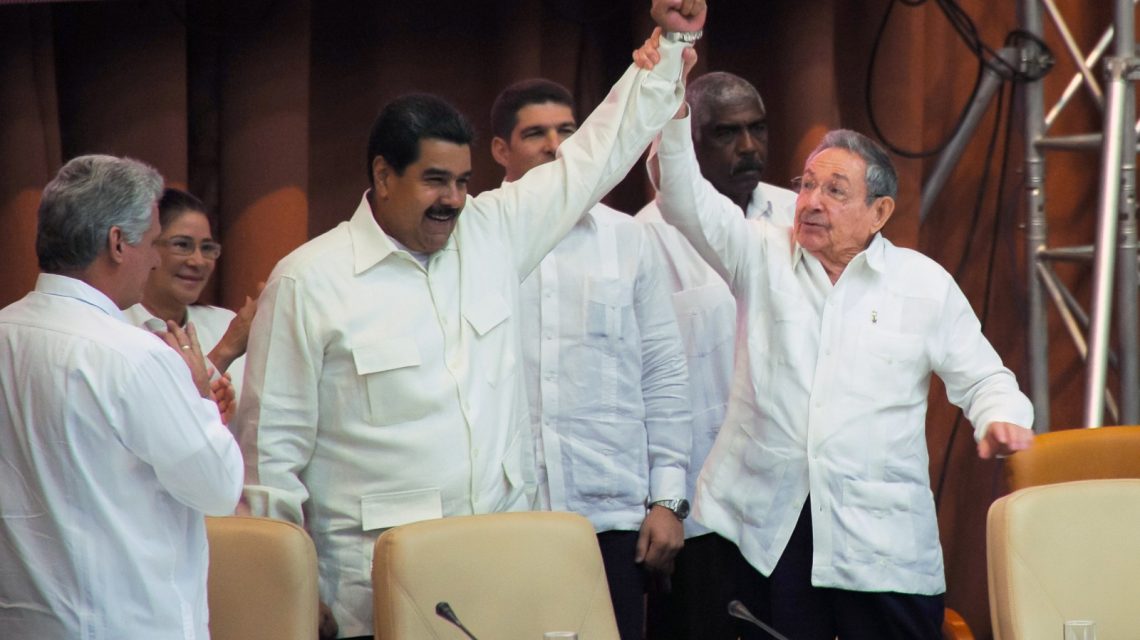
The indictment of former Cuban President Raúl Castro by the U.S. has sparked discussions about potential actions similar to those taken against Venezuelan President Nicolás Maduro. Earlier this year, a Delta Force raid captured Maduro, resulting in the deaths of several Cuban personnel. He faces charges of ‘narco-terrorism’ in New York City. This mirrors past actions of the Trump administration dating back to 2020.
Tensions Between U.S. and Cuba
Castro’s indictment is linked to accusations regarding the Cuban military’s downing of planes in 1996. The Department of Justice revealed these charges amidst rising U.S.-Cuba tensions. Following Maduro’s alleged capture, the Trump administration intensified pressure on Cuba, leveraging economic sanctions and suggesting possible military interventions if Havana did not comply with U.S. demands.
Other Foreign Conflicts
In a parallel situation, Trump took military actions against Iran, resulting in the death of Ayatollah Ali Khamenei. Despite the ongoing stalled negotiations there, the focus remains on Cuba. Trump hinted at future moves against Cuba, building pressure without immediate conflict.
Christopher Sabatini from Chatham House said, ‘The escalation strategy aims for change through increased pressure.’ Potential consequences of inaction include further escalations.
While Cuba remains open to talks, U.S. intentions to enforce changes are rejected. Sabatini warns that continued impasses could lead to inevitable actions.
Potential Military Actions
Speculation surrounds the administration’s next steps. Options could include military raids or airstrikes similar to previous operations. Despite military limitations, Cuba’s guerrilla warfare potential poses challenges. Any kinetic action demands significant resources, many directed toward the Middle East.
Cuban Resistance
Cuban President Miguel Díaz-Canel has vowed to resist U.S. military conflict. He remains confident in the country’s ideological unity and leadership collective. Sabatini believes finding a compliant successor to Castro within the Cuban government will be challenging. The entrenched elite and lack of independent civil society present substantial obstacles.
The powerful GAESA conglomerate established by Castro further complicates U.S. ambitions. Military officers benefit from this system, maintaining autonomy despite leadership changes.
Legal Concerns
The strategy of using indictments as pretext for military action faces scrutiny. Tess Bridgeman, a former White House legal advisor, argued these operations violate international law, lacking self-defense justification or UN Security Council backing. Bridgeman notes, ‘Indictments don’t authorize domestic or international military ventures.’
Feinberg, noting historical grievances of the Cuban exile community, sees the indictment’s current symbolic function as catering to their longstanding resentment.
Cuban Stance on 1996 Incident
Cuba disputes the U.S. version of the 1996 planes’ downing. They claim it was a matter of national defense against the hostile group Brothers to the Rescue. The Cuban government remains firm in national defense and socialist ideology, according to their response.
Future Implications
While tensions escalate primarily through economic and political channels, no military action has been taken yet. Gedan believes the indictment serves as leverage for negotiations. Despite increased pressure on Castro, broader economic reforms are necessary for meaningful change.
Ultimately, Feinberg stresses that any approach must consider the influence of Cuba’s Communist Party and military, dismissing simplified comparisons to Venezuela’s situation.
 Spain’s Prime Minister Announces Early Elections Amid Housing Crisis Backlash
  Former Special Counsel Jack Smith Appears at Music Festival
  U.S. Military Strikes Vessel in Caribbean, Allegedly Involved in Drug Trafficking
  Support for White Nationalism Among Young White Men
  Public Reaction to President Trump’s Second Term
  The Case Against the Death Penalty