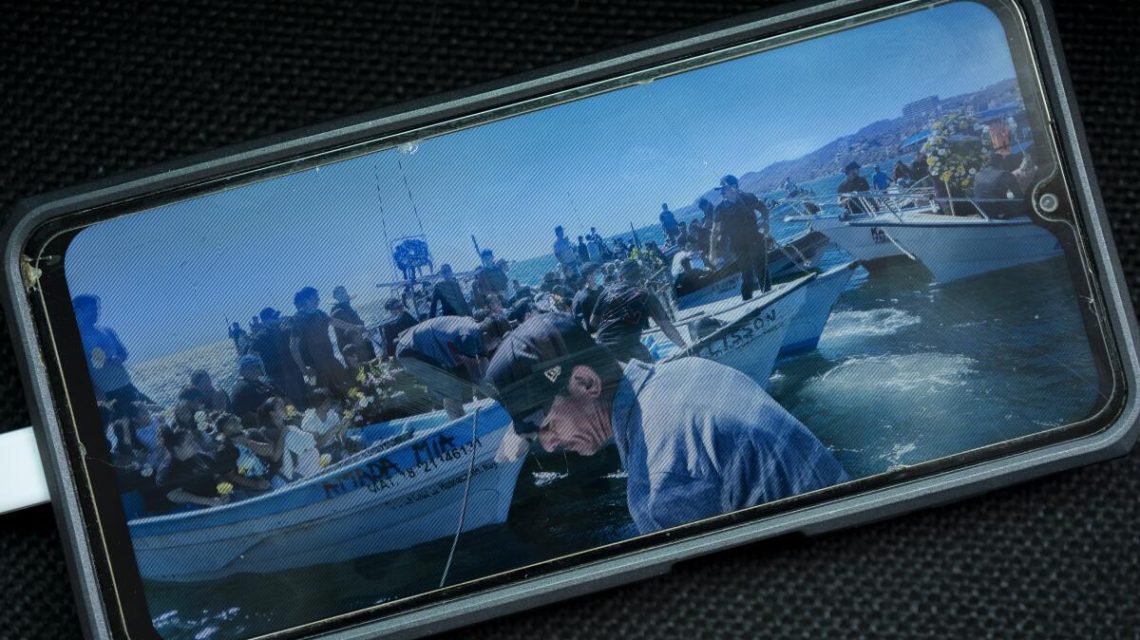
On a February morning, eight fishermen departed from Mexico’s Pacific coast but never returned. The men were reportedly hired by drug traffickers to assist in smuggling cocaine. They were allegedly killed when U.S. military airstrikes targeted their boats, claiming the lives of eight individuals labeled as ‘narco-terrorists.’ This event has spotlighted the increasing maritime drug trade and the involvement of some fishermen in illegal activities.
A memorial service at sea for the missing fishermen, all from La Cruz de Huanacaxtle, highlighted the mourning in their community. Reports indicate that these airstrikes, part of a broader campaign within international waters, have unintended casualties, complicating the relationship between the U.S. and Mexico.
”They knew the risks,”said Father Rigoberto Cruz, addressing the loss felt by the community.
Since the campaign’s inception, over 221 individuals have died, drawing criticism from human rights groups. Mexico’s government has not officially acknowledged these deaths, leaving families in coastal towns uncertain about the fate of their missing loved ones.
The actions have been justified by the Trump administration as a countermeasure against drug cartels, labeled as terrorist organizations. However, critics argue such strikes constitute illegal extrajudicial killings, complicating U.S.-Mexico relations.
In coastal towns like La Cruz de Huanacaxtle, many locals comment on the noticeable improvements in lifestyle among those involved in drug trafficking under the watch of the Jalisco New Generation cartel. The economic lure has pulled many into this dangerous trade.
Mariners like Jesús Rangel Romero have been drawn into smuggling due to economic desperation, often disappearing with little trace. The U.S.’s continued strikes cast a shadow over the safety of those at sea, including those uninvolved in illicit activities.
Multiple strikes reported in recent months have failed to significantly impact the flow of drugs into the U.S., with prices for cocaine remaining stable. Critics argue these actions do not address the underlying issues within the drug trade but instead raise fears among fishermen who worry about mistaken targeting.
Mexican authorities have reportedly not received comprehensive information from the U.S. concerning these incidents. Concerns about sovereignty and the normalization of U.S. military actions in Latin America further complicate responses.
Despite intensified scrutiny, the legal and ethical implications of these measures remain debated amongst policymakers and human rights groups, urging a reevaluation of strategies concerning drug trafficking in international waters.
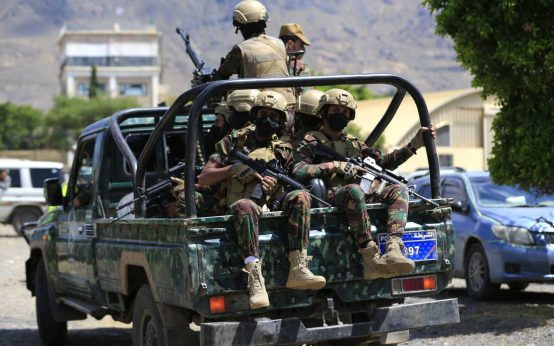 Crisis in Yemen Amid Renewed Conflict
 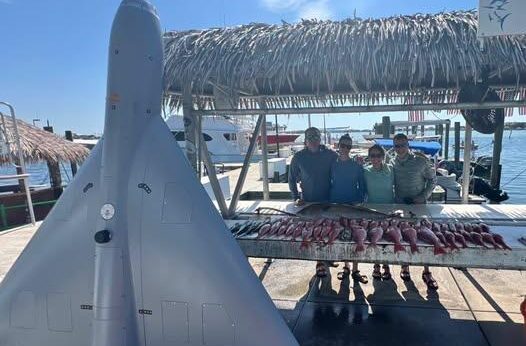 Fishing Expedition Uncovers US Military Drone in Gulf Waters
  Hurricane Polo Threatens Catastrophic Impact on Mexico’s Coast
 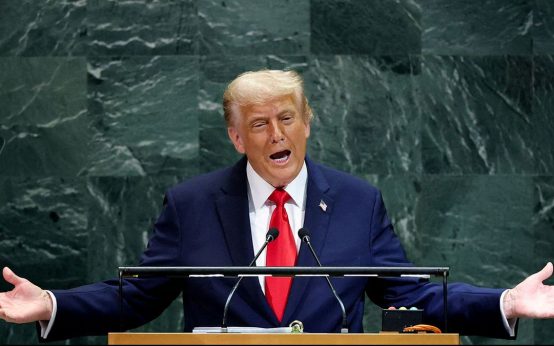 Trump’s Diplomatic Agenda: UN Speech and Global Issues
  The Shofar: A Symbol of Healing and Redemption
  Princess Diana’s Brother’s Book Sparks Royal Controversy