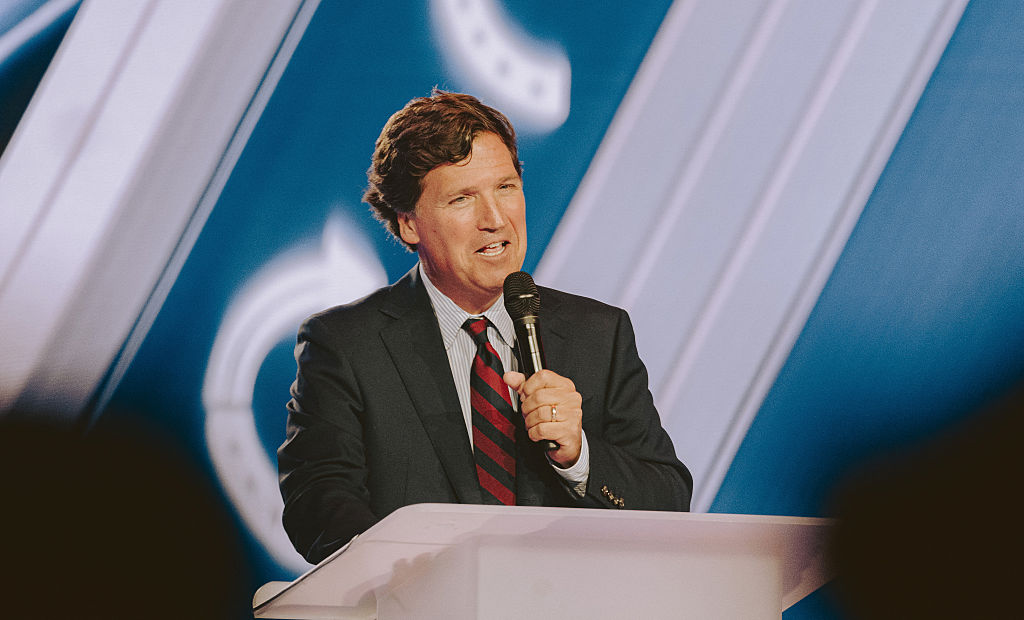
Tucker Carlson’s Departure from the Republican Party
Tucker Carlson, a significant figure in conservative media, has parted ways with the Republican Party. After years of being a prominent supporter, Carlson announced his decision, signaling growing internal conflicts among conservatives. His criticism centers on the GOP’s foreign policy, particularly its stance on the Iran war and U.S.-Israel relations.
Reasons Behind Carlson’s Decision
On June 18, during an appearance on the Can’t Be Censored podcast, Carlson stated his discontent. He accused Republican leaders of prioritizing Israel over American interests, saying the party has “betrayed” its citizens. Carlson expressed that he can no longer support a party that he believes values foreign interests above national ones.
“I would not support the Republican Party. There’s no chance I would support the Republican Party.” He added, “I’m out.”
Carlson criticized the GOP for backing former President Donald Trump’s Iran policies under Israeli Prime Minister Benjamin Netanyahu’s influence. He described the conflict as a war the U.S. had “effectively lost,” further proving Washington had forsaken its public.
Allegations Against Trump’s Campaign
Carlson also claimed Trump’s 2024 campaign received support from entities with “loyalty to Israel,” implying decisions that do not align with U.S. priorities. This perspective challenges the mainstream Republican view on foreign policy.
Trump’s Response
Trump dismissed allegations of Israeli influence over his Iran strategy. He argued that he pressured Israel’s actions, not the other way around. “If anything, I might’ve forced Israel’s hand,” he told Financial Times, emphasizing his control over foreign policy decisions.
Implications for Conservative Voters
Carlson’s break from the GOP, after decades of loyalty, marks a pivotal moment for conservative voters. His influence remains strong through his platforms, such as Tucker on X and the Tucker Carlson Network, enabling him to shape Republican voter sentiment.
This move underscores the divide between traditional Republican leadership and populist-nationalist voices. These voices assert the party has deviated from its America-first principles, reflecting broader ideological shifts on the right.
For further updates on this developing story, contact Newsweek editors Gabe Whisnant and Gray R. Thomas.
 Mayor Mamdani and President Trump Discuss Major Housing Project in NYC
 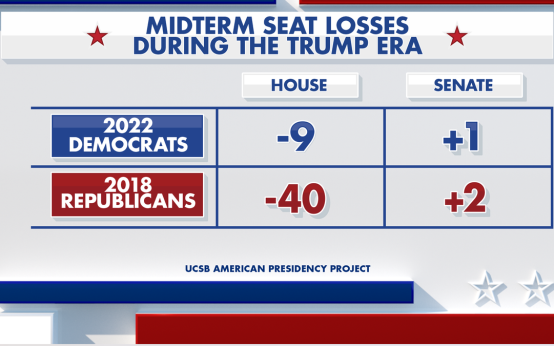 Poll Reveals MAGA’s Increasing Popularity Over DSA as Democrats’ Future Debated
 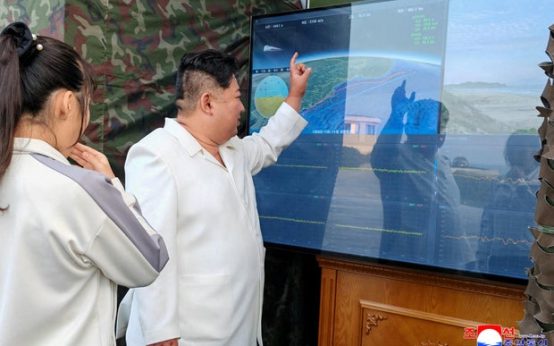 North Korea’s Hypersonic Weapon Test Amid Global Tensions
 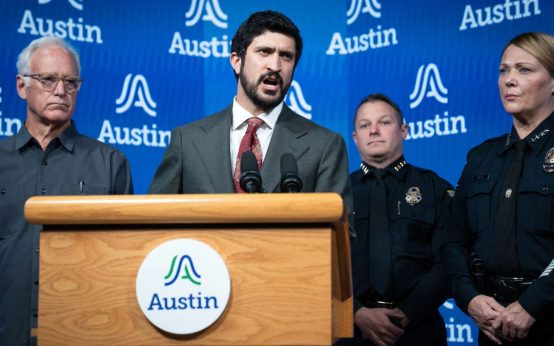 Debate Over ICE Action in Austin Escalates
  President Trump Warns of Escalating War with Iran at UN Assembly
  Tariffs and Their Impact on Everyday Products