
In Tehran, Iranian Revolutionary Guard members regularly demonstrate the use of Kalashnikov-style assault rifles to the public. Military parades showcase vehicles equipped with Soviet-era machine guns. Even at a large wedding event, a ballistic missile was displayed on stage, similar to those used in attacks on Israel.
This visible display of weaponry reflects Iran’s intent to show defiance as the U.S., under President Donald Trump, hints at resuming military actions if negotiations with Iran fail. The Strait of Hormuz remains a focal point, with tensions over its control.
Iran faces a threat narrative fueled by Trump’s remarks about potentially seizing Iran’s uranium stockpile by force and supplying arms to Kurdish fighters. For Iran’s hard-liners, this show of military might provides reassurance during times of instability, marked by widespread economic challenges and civil unrest.
Demonstrations of military strength serve a dual purpose. They motivate supporters of the regime and act as a deterrent against potential uprisings. Past protests, which were harshly suppressed with thousands reportedly killed and detained, remain a point of concern for the government.
Ali Mofidi, a Tehran resident, emphasized the significance of military preparedness, stating, “This is necessary for all our people. Everyone should be prepared and knowledgeable on how to use a gun.” His sentiment reflects a broader push for civilian training as seen in statewide efforts led by the Revolutionary Guard’s Basij force.
“This is necessary for all our people to get trained because we are in a war situation these days,” said Ali Mofidi during a weapons training session.
Iran has made concerted efforts to bolster national unity, urging public participation in defense initiatives. Campaigns like the “Janfada,” calling for mass volunteerism, claim widespread support from the population, although such figures are difficult to verify. The mobilization is reminiscent of Ukraine’s actions prior to Russia’s extensive 2022 invasion.
Public announcements on state TV and media personalities brandishing weapons on air contribute to this atmosphere. One journalist shared that participating in these efforts made her focus solely on Iran’s endurance over personal safety, showcasing the depth of nationalistic sentiment.
Nobel laureate Shirin Ebadi criticized the portrayal of weapons, especially in the hands of children, likening it to actions by extremist groups in Africa, highlighting ethical concerns. However, domestic resistance remains strong, buoyed by public militia displays.
In a recent demonstration, Iranian nomads displayed a variety of weapons dating back to historical eras. While rural areas have long traditions of keeping firearms, current demonstrations are more prominent in urban centers like Tehran.
Training sessions, segregated by gender, offer basic instruction on assault rifles. Hadi Khoosheh, a Basij trainer, noted that upon completion, participants receive a certificate of training. Despite varied skill levels among attendees, the spirit of resistance persists, as reiterated by Mofidi’s comment on national defense against foreign incursions.
These activities exemplify Iran’s strategy to prepare its citizens amidst geopolitical uncertainty.
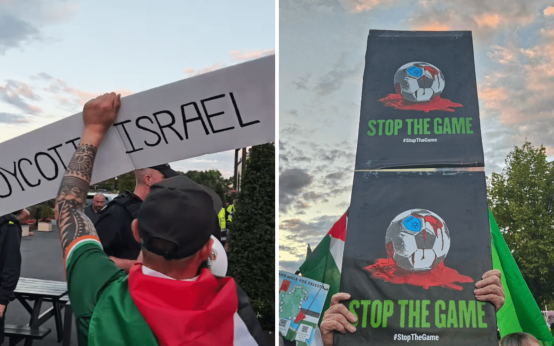 Ireland Faces Calls to Boycott Matches Against Israel
  Social Media Influencer Faces Serious Charges
 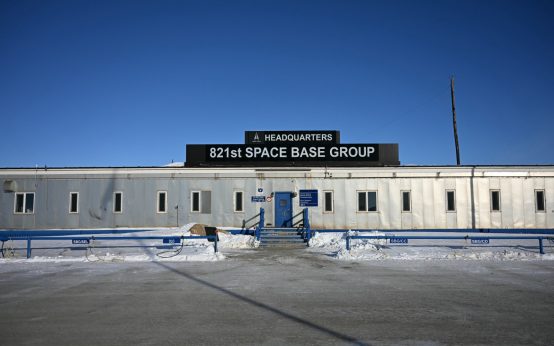 U.S. Military Expansion in Greenland
  The Autocratic Age: A Closer Look
  Venezuelan Migrant Arrest in Texas Sparks Outrage
  Senator Calls for Halt in Diesel Exports Amid Rising Fuel Costs