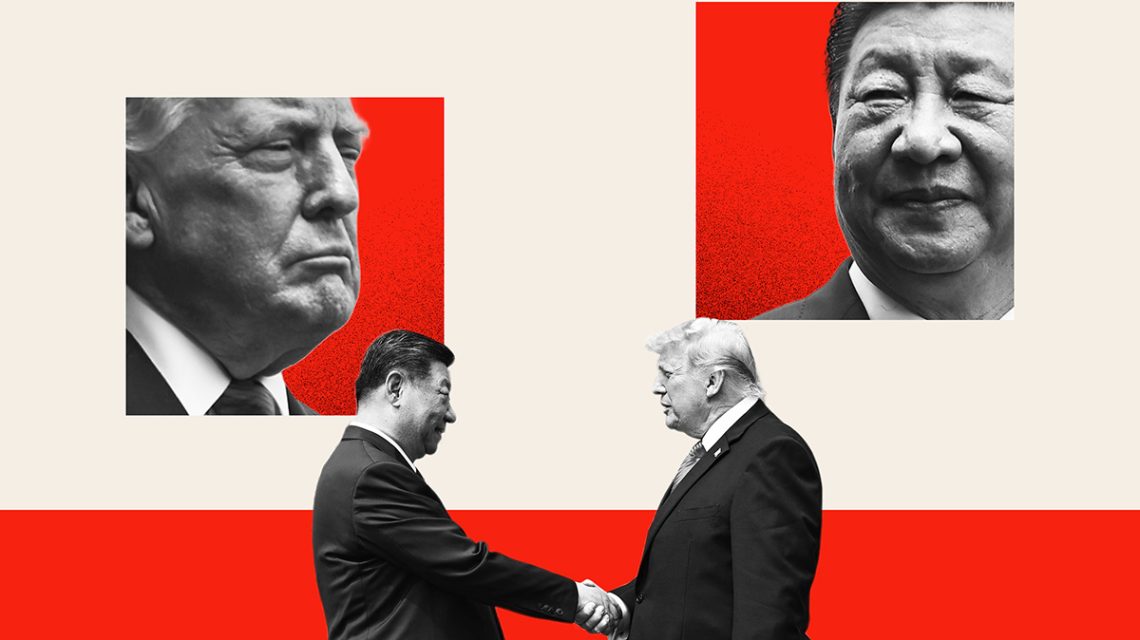
President Donald Trump’s agenda seems to influence a milder U.S. approach to China, yet some of his administration’s China critics are still prominently visible. Trump’s recent visit to Beijing was meticulously planned, marking a shift from earlier tensions exacerbated by mutual tariffs slashed last May.
His initial administration’s discord with China centered around trade deficits and the origins of the COVID-19 pandemic. These conflicts left relations strained, with many doubting any public reconciliation was possible. During his visit, Trump emphasized his long-standing friendship with China’s President Xi Jinping, describing him as a ‘great leader,’ which Xi noted enhanced their mutual trust.
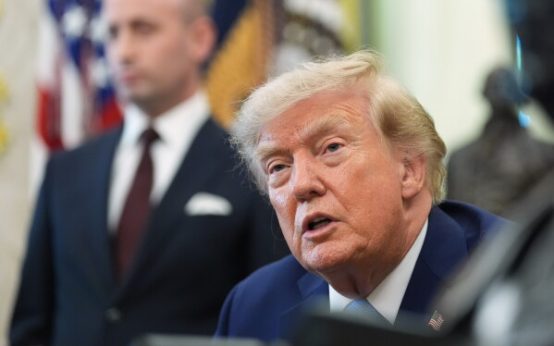
Accompanying Trump were strong China critics, including Secretary of State Marco Rubio, Defense Chief Pete Hegseth, and Adviser Stephen Miller. While these figures are known for their hard stances, they supported Trump’s efforts to improve cooperation in exchange for increased business opportunities in China.
“The whole purpose of the visit to China was to show, to tell China that the United States is still number one in the world,” stated Miles Yu, a former adviser on China policy to Secretary of State Mike Pompeo.
Trump facilitated easing tensions through targeted concessions, addressing issues like Taiwan and Chinese access to AI technology. Despite criticism, this approach led to agreements for future meetings and commitments from China.
After the summit, Xi agreed to a U.S. state visit. Trump’s praise during his visit could benefit Beijing by framing the visit positively, showcasing its approach to international relations as successful.
Although Trump’s actions offer potential for change, the presence of China hawks implies Xi should remain wary. The U.S. and China are in a ‘new Cold War’, a concept advocated by Yu, emphasizing ‘peace through strength.’
Domestically, tensions persist. Federal charges against officials in California and convictions in New York reveal ongoing efforts to counter China’s influence in America. State laws continue to be enacted to curb China’s strategic influence in various sectors.
Looking ahead, despite the positive optics of Trump’s visit, substantial changes might not occur. Yu explains, “Between now and September, you’d better not make trouble. You’d better behave.”
John Yasuda of Johns Hopkins University suggests an alternative interpretation. “If Trump meant to subtly threaten Xi by bringing his hawks and business leaders, the tactic may have failed.” Yasuda notes Xi presented as a wise leader, suggesting Beijing would allow tensions to ease for strategic reasons.
 Impact of Deregulation on Air Travel
  Impact of Democratic Socialists of America in Recent U.S. Elections
  Darline Graham Holds Strong Lead in South Carolina GOP Senate Race
  Hawaii Democratic Primary Highlights Party’s Internal Divide
  Todd Blanche’s Controversial Confirmation as Attorney General
  Trump Administration Seeks New Restrictions on Birthright Citizenship