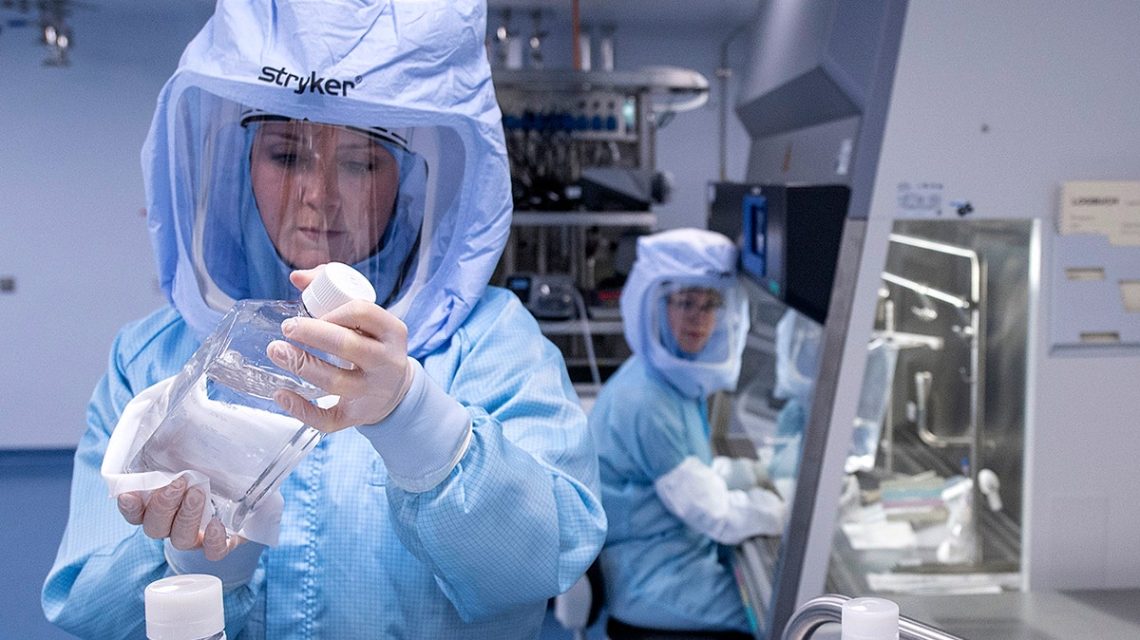
President Donald Trump has secured nine new agreements with drug manufacturers. These agreements aim to reduce costs for Americans on many prescription medicines. Trump’s approach reflects his commitment to addressing drug prices for patients. Notably, he prefers negotiating with companies individually, instead of setting broad mandates.
However, to achieve lasting price reductions while maintaining U.S. leadership in biomedical innovation, his administration should focus on international negotiations. It’s crucial to ensure other countries contribute fairly to the costs of medicines developed in America.
International Price Controls
For decades, wealthy nations have used various strategies to limit what they pay for innovative drugs. These include price controls, mandatory rebates, and reimbursement delays. Such measures result in foreign countries benefiting from new treatments while Americans bear a significant portion of the development costs.
Currently, American patients represent approximately three-quarters of pharmaceutical profits and over half of global research and development spending. This is disproportionately high compared to America’s share of the world economy.
Addressing Imbalances
To correct this imbalance, focusing solely on pressuring U.S. drugmakers is not enough. The administration should work to end foreign countries’ practices that undervalue American innovation. Lowering U.S. drug prices without increasing foreign contributions could harm the American biotech industry.
Some lawmakers have suggested adopting a “most-favored-nation” pricing strategy. This would tie U.S. drug prices to the lower prices abroad, potentially reducing funds for research and development. Such a move might also threaten jobs in the biotech sector and affect the competitiveness of U.S. drugmakers globally.
Examples of Negotiation Success
The United Kingdom presents a successful example of negotiation. Trump negotiated a deal that requires Britain to increase payments for new medicines by 25%. As Britain contributes more to medicine development, the U.S. cost burden decreases.
Similarly, the administration is pursuing an agreement with Germany. An investigation into Germany’s price controls is underway, providing American trade officials with leverage to negotiate fairer pricing policies.
Expanding the Strategy
Applying this strategy to other wealthy nations, like Japan, France, and Switzerland, could further adjust the balance. These countries often use tactics similar to Germany to pay less for drugs. For instance, in Japan, nearly half of newly launched medicines face annual price cuts.
An analysis suggests if all developed countries paid U.S. drug prices, pharmaceutical revenue could rise by over $254 billion. This increase would boost revenue for American drug innovators, supporting research and development, job creation, and providing cheaper treatments.
Trump’s administration has the negotiating skill to push trading partners to shoulder their fair share. By refocusing efforts on international contributions, America can work towards reducing domestic drug prices while maintaining its leadership in biopharma innovation.
 UN General Assembly: Global Leaders Seek Influence Amid International Conflicts
  Pentagon Investigation Reveals U.S. Responsibility in Deadly Iranian School Strike
  Talarico Gains Momentum in Texas Senate Race
  Trump’s AI Strategy Sparks Debate Amid Regulatory Concerns
  Wisconsin’s Budget Strategy: Lessons for Federal Government
  Intensified Scrutiny on ActBlue by House Republicans