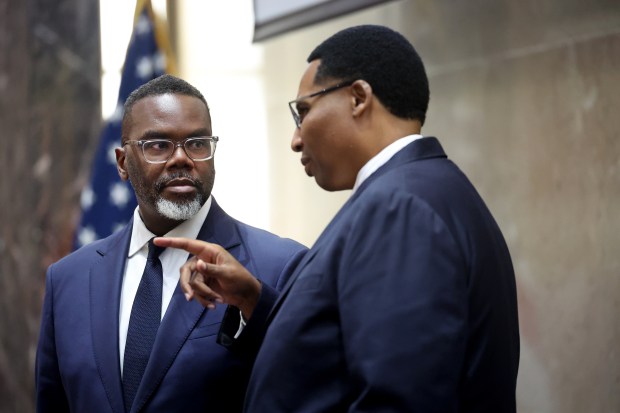
The Chicago City Council has voted to freeze the ‘One Fair Wage’ ordinance. This stops wage increases for tipped workers for a minimum of two years. The decision saw overwhelming support with only one alderman voting against it, indicating continued battles with the restaurant industry over future wage increases.
Impact on Workers and Businesses
The ordinance freeze marks a significant setback for Mayor Brandon Johnson, whose agenda includes advocating for working-class rights. Despite his opposition, Mayor Johnson has decided not to veto the measure, although he expressed dissatisfaction with the compromise, stating it reflects a willingness for dialogue. The compromise delays annual pay raises for tipped workers at large and small restaurants, aiming at preserving jobs amidst rising costs and taxes.
Ald. Walter ‘Red’ Burnett supported the freeze to safeguard restaurant jobs at risk of closure. Similarly, Ald. Gilbert Villegas highlighted the financial necessity of the pause, while Ald. Jessie Fuentes echoed ‘heartbroken’ sentiments despite voting in favor. She urged that future efforts ensure scheduled raises after two years. The ordinance, originally passed in 2023, had aimed to gradually eliminate subminimum wages by 2028 but now faces a revised timeline.
Future Advocacy and Controversy
Illinois Restaurant Association President Sam Toia did not dismiss further actions against the wage raises, expressing ongoing support for maintaining tipped credit. During negotiations, Toia proposed ensuring that tipped workers be paid 124% of the city’s minimum wage, integrating both tips and base wages.
Supporters argue that many restaurant owners fail to bridge wage gaps left uncovered by tips, citing slow city enforcement mechanisms that hinder worker protection.
Additional City Council Actions
In further Council business, aldermen approved measures honoring civil rights leader Rev. Jesse Jackson, including securing voting rights and establishing advocacy councils. Despite opposition labeling these efforts redundant, proponents stressed the urgency amid federal voting rights challenges.
The Council also settled a lawsuit with disability advocacy group Access Living, agreeing to a $2.25 million payment and plans to construct nearly 3,000 accessible housing units. Additional appointments included William Cheaks and David Glockner to key positions, along with tax incentives for a $7 billion development project.
A failed measure sought to initiate a referendum for drafting a city charter, aiming to redefine governmental powers. Ald. Lamont Robinson urged colleagues to recognize ongoing community hurt regarding voting rights and historical narratives.
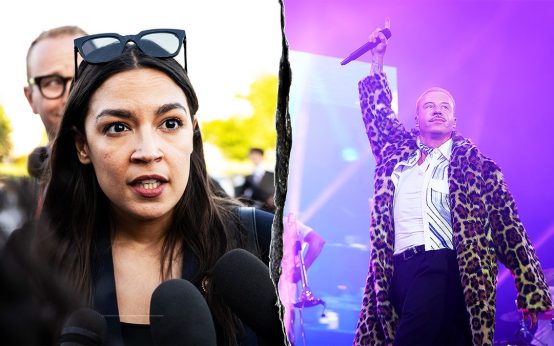 Rep. Alexandria Ocasio-Cortez Defends Macklemore Amid Tour Controversy
  Influence Concerns Surround California Political Donors
  Michigan Senate Race Sees Influences from Soros-Linked Funding
 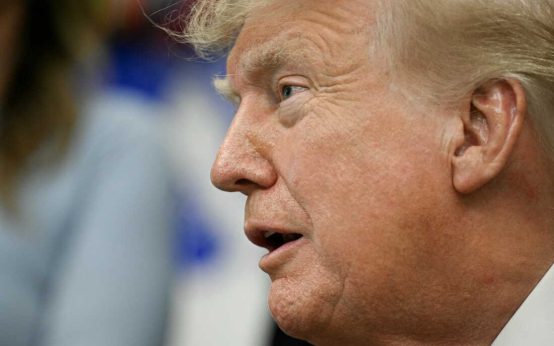 Trump Seeks Diplomatic Success at the U.N. Amid Challenges
 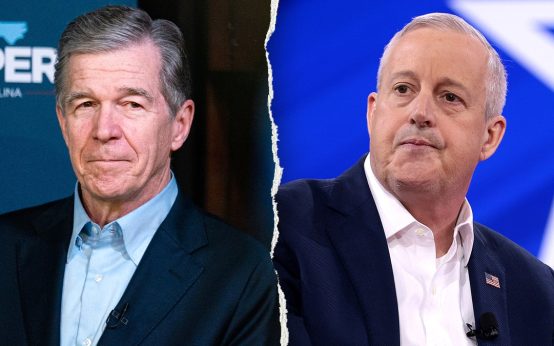 North Carolina Senate Race Influenced by Abortion Policy Messaging
  Trump Pressures Republicans on Filibuster Threat